Navigating Oppositional Defiant Disorder: Fostering Harmony in Adult Relationships
Navigating Oppositional Defiant Disorder: Fostering Harmony in Adult Relationships
Navigating challenging family dynamics can be incredibly difficult, especially when a loved one displays persistent behaviors associated with Oppositional Defiant Disorder (ODD) in adults. These behaviors, far from simple stubbornness, signify a recognized mental health condition profoundly impacting relationships. At Sidra Family Hospital, we understand the complexities of ODD in adulthood and are dedicated to providing compassionate care that strengthens family bonds and promotes overall well-being.
The Translation: Understanding ODD in Adulthood
What is Adult Oppositional Defiant Disorder?
Oppositional Defiant Disorder (ODD) is characterized by a recurring pattern of uncooperative, defiant, and hostile behavior toward authority figures. While often diagnosed in childhood, ODD can persist into adulthood, presenting unique challenges in personal and professional relationships.
In adults, ODD manifests as ongoing argumentative behavior, difficulty accepting rules, and actively defying requests. Individuals with ODD may intentionally annoy others, blame others for their mistakes, and exhibit vindictive tendencies. Recognizing ODD as a genuine medical condition, not a character flaw, is crucial for effective management and healing.
Why ODD Creates Relationship Challenges
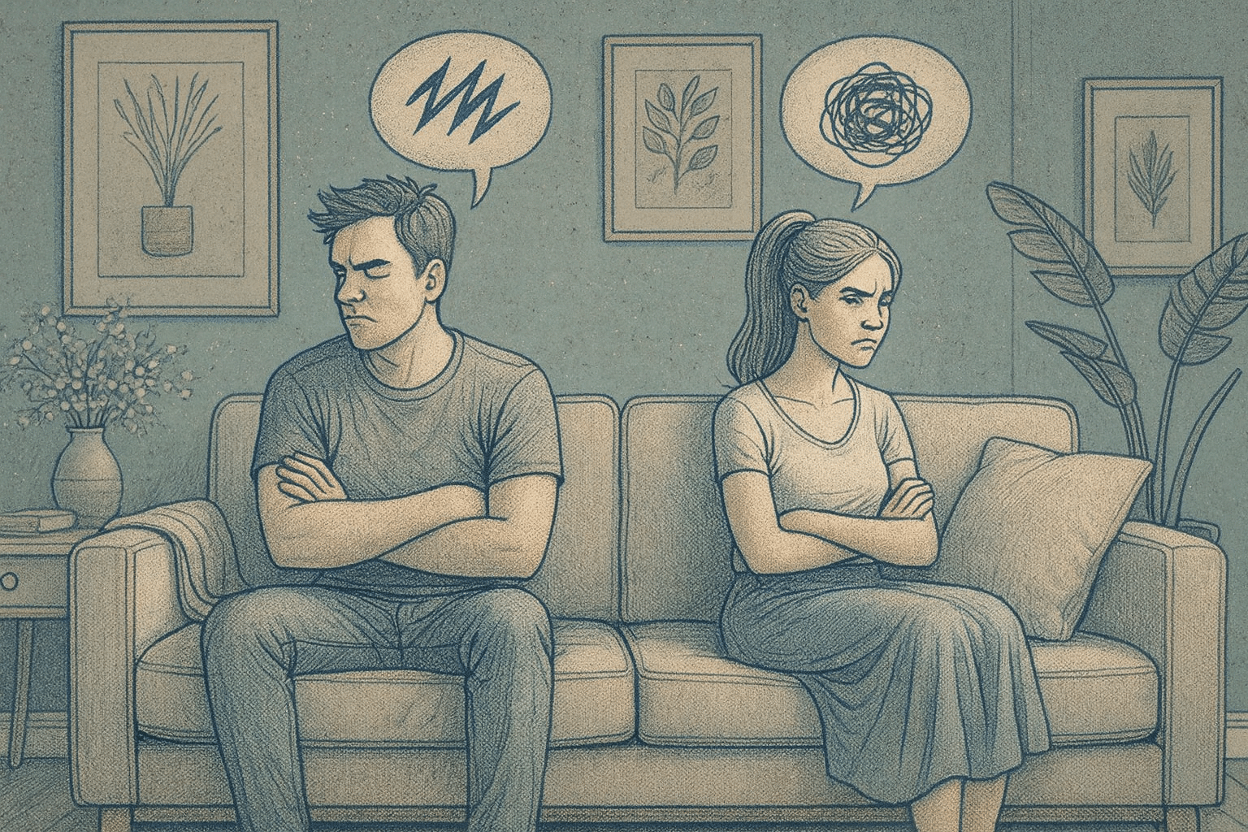
The core symptoms of ODD in adult relationships inevitably strain connections. These behaviors erode trust and create constant tension, fostering cycles of conflict.
The Defiance-Hostility Cycle
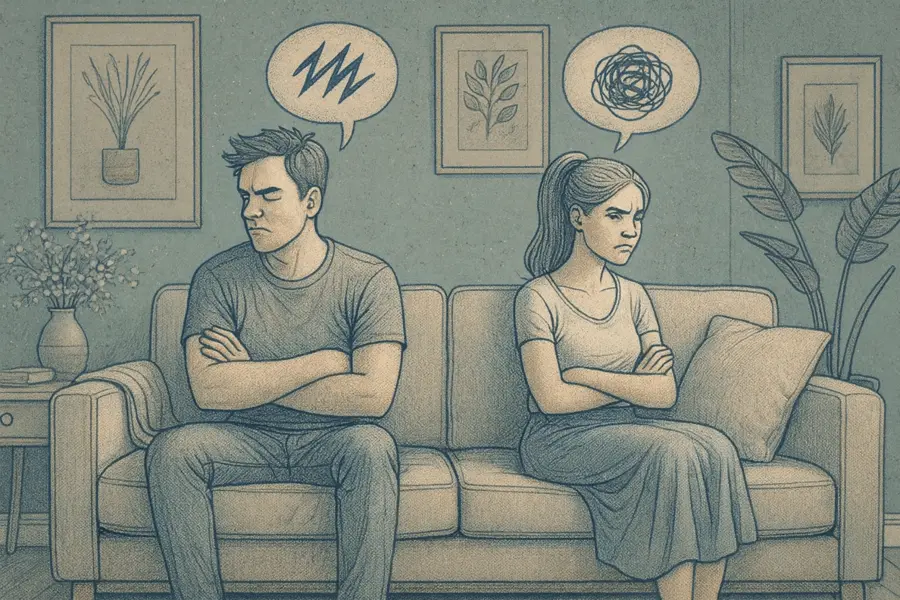
Relationships affected by ODD often fall into a predictable pattern: defiance from the individual leads to frustration from others, escalating hostility. This self-perpetuating cycle demands intentional effort and understanding from all parties to break.
Emotional Impact on Partners and Family Members
Living with or loving someone with ODD in adulthood takes a significant emotional toll. Partners and family members often experience chronic stress, anxiety, resentment, and even depression. Addressing these emotional impacts is vital for the entire family’s well-being.
The Socio-Economic Impact: ODD’s Ripple Effect on Pakistani Families
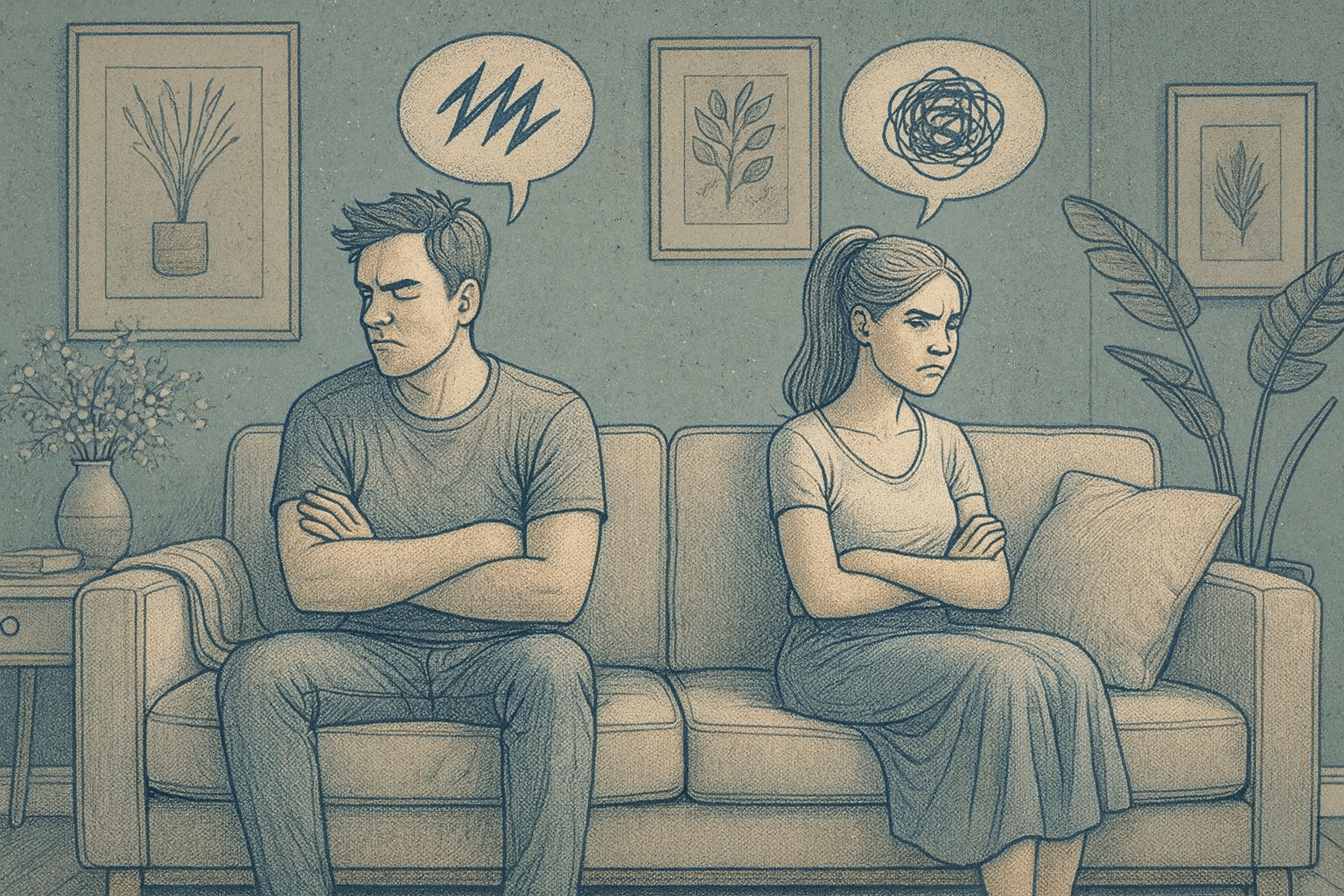
In Pakistan, cultural norms emphasize respect for elders and harmonious family relationships. When an adult family member exhibits ODD symptoms, these expectations can amplify challenges. The defiance inherent in ODD is often perceived as profound disrespect, leading to significant interpersonal conflict and social stigma within extended family and community circles.
Beyond emotional strain, household relationships can fracture. Constant tension contributes to decreased productivity and potential financial instability. Many families struggle to find appropriate support due to a lack of awareness or mental health stigma. Sidra Family Hospital is committed to breaking down these barriers, providing a safe environment for families seeking help for adult ODD challenges.
The Forward Path: Strategies for Connection and Healing at Sidra Family Hospital
Addressing ODD in adults requires a multi-faceted approach: improved communication, clear boundaries, and professional support. Sidra Family Hospital’s Psychiatry department offers expert guidance to navigate these complex dynamics.
Effective Communication Strategies That Work
Improving communication is foundational for managing ODD in relationships. These strategies help de-escalate conflicts and foster mutual understanding.
1. Use Clear, Direct Language Without Blame
State your needs and observations clearly, focusing on specific behaviors. “I feel unheard when my suggestions are dismissed” is more constructive than “You always ignore me.” This reduces defensiveness and encourages dialogue.
2. Choose Your Battles Carefully
Not every defiant act requires confrontation. Evaluate if an issue is a true non-negotiable boundary. Prioritizing conserves emotional energy and focuses attention on critical challenges, preventing constant friction.
3. Validate Feelings Without Agreeing with Behaviors
Acknowledge your loved one’s emotions, even if you disagree with their actions. Phrases like “I can see you’re frustrated right now” help de-escalate tension through empathy. Validating feelings does not condone harmful behaviors but recognizes their emotional experience.
4. Offer Choices Instead of Commands
Present options rather than orders. This empowers the individual with ODD, providing a sense of control and reducing their inclination to resist. “Would you prefer to do X now or Y in 30 minutes?” is generally more effective than a direct command.
Setting Healthy Boundaries with Someone Who Has ODD
Boundaries are crucial for protecting your emotional well-being and establishing respectful relationship parameters.
Identify Your Non-Negotiables
Clearly define what behaviors you will not tolerate, such as verbal abuse. Communicate these non-negotiables calmly but firmly to maintain self-respect and ensure safety.
Managing Your Own Emotional Responses
Living with ODD is emotionally taxing. Develop strategies for managing your own stress, like mindfulness or personal therapy. A calm, consistent response is far more effective than reacting emotionally.
When to Visit Sidra Family Hospital
If you or a loved one struggles with the persistent challenges of Oppositional Defiant Disorder in adults, seeking professional help is vital. Our Psychiatry department at Sidra Family Hospital offers compassionate support, expert guidance, and personalized care. We provide comprehensive assessments, individual therapy, and family counseling. Seeking help is a sign of strength and a commitment to nurturing healthier family relationships. We are here to support your family’s journey toward peace and understanding regarding ODD in adulthood.