
Navigating Medication Safety During Pregnancy: Your Guide from Sidra Family Hospital

Navigating Medication Safety During Pregnancy: Your Guide from Sidra Family Hospital
Pregnancy is a miraculous journey, but it often comes with a myriad of questions, especially regarding what’s safe for you and your developing baby. Expectant mothers frequently wonder about using common medications like acetaminophen and aspirin to manage pain, fever, or other conditions. At Sidra Family Hospital, we understand these concerns and are committed to providing clear, authoritative guidance rooted in our “Family-First” approach to care. Understanding medication safety during pregnancy is paramount for a healthy outcome.
This article delves into the nuances of using these medications, dispelling myths, and empowering you with the knowledge to make informed decisions in consultation with your healthcare provider.
The Translation: Understanding Medication Choices During Pregnancy
Acetaminophen (Paracetamol): The Preferred Choice for Pain and Fever
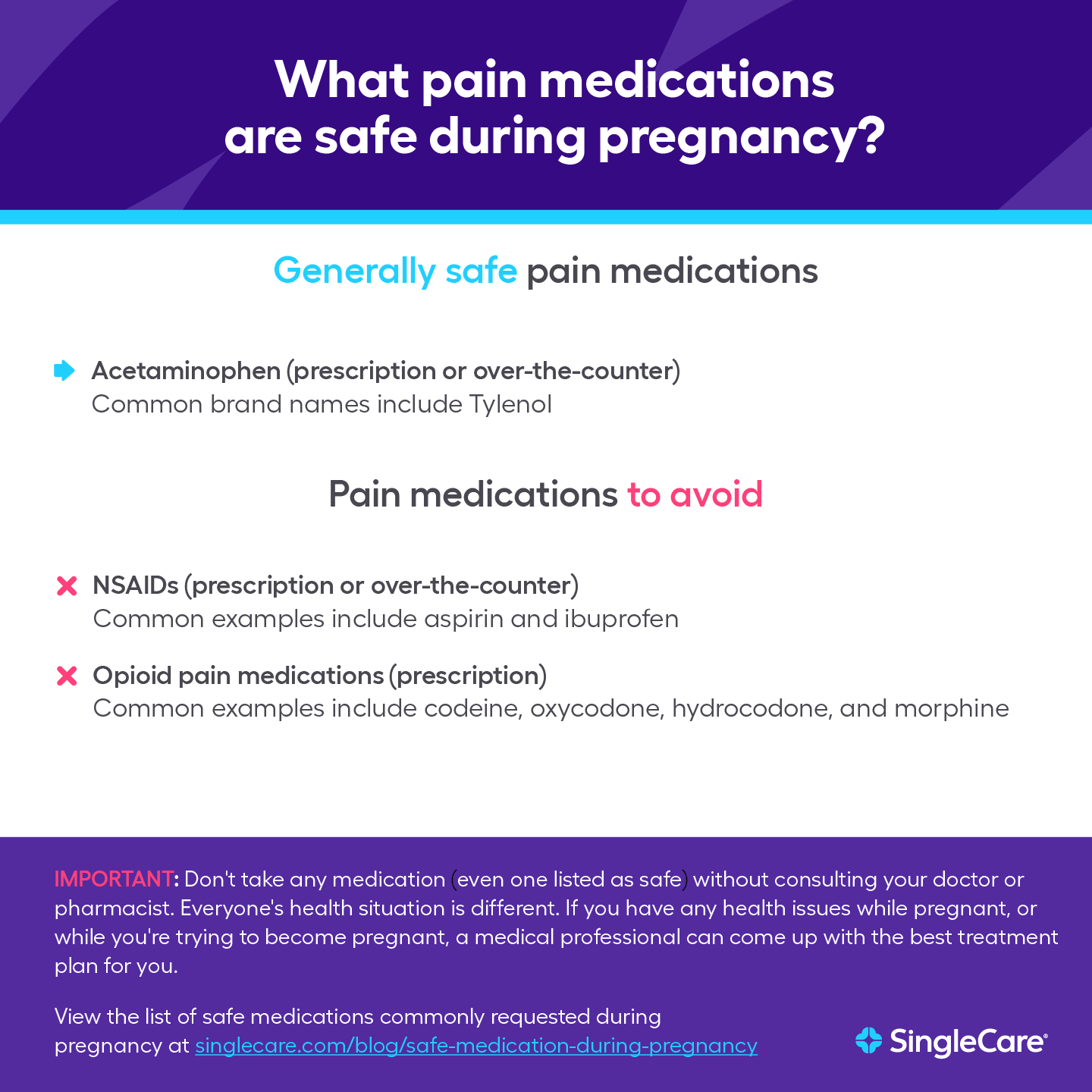
Acetaminophen, commonly known as paracetamol, is generally considered the safest option for pain relief and fever reduction during pregnancy. Its widespread use and extensive research have established a relatively favorable safety profile compared to other over-the-counter pain relievers. This is why it is frequently recommended by healthcare professionals as the first-line treatment for various discomforts during gestation.
Recent discussions in medical communities have explored a potential, albeit slight, association between acetaminophen use during pregnancy and an increased risk of neurological conditions such as ADHD or autism in children. It is crucial to understand that these findings largely stem from observational studies. Such studies can suggest a correlation but do not establish direct causation. Many factors can contribute to these complex conditions, and confounding variables are often at play.
Therefore, while these studies prompt continued vigilance and research, the current medical consensus remains that acetaminophen is the safest choice for pain and fever relief when truly necessary for expectant mothers. We advise using it at the lowest effective dose and for the shortest possible duration, always under the guidance of your doctor, to ensure optimal medication safety during pregnancy.
Aspirin: When and How It’s Used by Expectant Mothers
The use of aspirin during pregnancy presents a more nuanced picture. High-dose aspirin is generally avoided throughout pregnancy due to potential risks, including increased bleeding risk for both mother and baby, and the possibility of premature closure of the fetal ductus arteriosus if used in the third trimester. This highlights the critical importance of avoiding self-medication with higher doses.
However, low-dose aspirin (typically 81 mg per day) can be a vital component of prenatal care for certain expectant mothers. Your doctor might prescribe it to prevent or manage conditions like preeclampsia, a serious complication characterized by high blood pressure, or for those with a history of recurrent miscarriage or risk factors for intrauterine growth restriction. When prescribed by a specialist, low-dose aspirin is used cautiously, with careful monitoring to ensure its benefits outweigh any potential risks. This is a prime example of personalized medication safety during pregnancy.
Understanding Cerebral Palsy
Concerns have also arisen regarding the potential link between certain pain relievers and conditions like cerebral palsy. Cerebral palsy is a group of disorders that affect a person’s ability to move and maintain balance and posture. It is the most common motor disability in childhood, caused by abnormal brain development or damage to the developing brain, usually before or during birth. It is important to note that many factors can lead to cerebral palsy, and a direct causal link to commonly used pregnancy medications like aspirin or acetaminophen, when used as directed, is not established.
The Socio-Economic Impact: Protecting Families in Pakistan
In Pakistan, expectant mothers and their families often navigate a landscape where access to accurate medical information can be challenging. Misinformation, traditional remedies, and reliance on informal advice, while well-intentioned, can sometimes lead to suboptimal health outcomes. The proper understanding of medication safety during pregnancy is critical to counteract these challenges.
The economic and emotional burden of chronic conditions, such as neurological disorders, on Pakistani families can be profound. Should a child develop a condition like cerebral palsy, regardless of its cause, the need for lifelong medical care, specialized therapies, and adaptive support places immense strain on family resources. Many families may struggle with the financial implications, potentially impacting other aspects of their lives, including education and future planning.
Sidra Family Hospital is deeply committed to alleviating these burdens. We strive to be a beacon of reliable, evidence-based medical care, offering not just treatment but also comprehensive patient education. Our goal is to empower families with the correct knowledge about medication safety during pregnancy, thereby minimizing preventable risks and fostering healthier generations. We understand the local context and work tirelessly to provide accessible, empathetic, and expert guidance to every family.
The Forward Path: Empowering Expectant Mothers for a Healthy Pregnancy
Your proactive involvement in your healthcare journey is key to ensuring a healthy pregnancy and the well-being of your baby. At Sidra Family Hospital, we encourage all expectant mothers to follow these crucial steps:
Always Consult Your Doctor First
This cannot be overstated. Before taking any medication—whether it’s an over-the-counter remedy, a prescription drug, or even herbal supplements—always discuss it with your gynecologist or obstetrician. Our dedicated Gynaecology and Obstetrics department is here to provide personalized advice, considering your specific health profile, stage of pregnancy, and any pre-existing conditions. Your doctor can assess the necessity and safety of any medication, ensuring optimal medication safety during pregnancy.
Mindful Medication Use: Lowest Dose, Shortest Duration
If medication is deemed necessary, adhere strictly to your doctor’s instructions. This usually means taking the lowest effective dose for the shortest possible duration required to alleviate symptoms. This principle minimizes fetal exposure while still effectively addressing your health needs. Never self-prescribe higher doses or extend usage beyond what is recommended.
Avoid NSAIDs Unless Advised
Non-Steroidal Anti-Inflammatory Drugs (NSAIDs), such as ibuprofen, naproxen, and diclofenac, should generally be avoided during pregnancy, especially during the third trimester, due to potential risks to the baby’s heart and kidneys. Always consult your doctor before using any NSAID.
Explore Non-Pharmacological Alternatives
For minor discomforts common during pregnancy, explore non-pharmacological remedies where appropriate and safe. Options like adequate rest, localized heat or cold packs, gentle massage, or prenatal yoga can often provide relief. Always discuss these alternatives with your doctor to ensure they are suitable for your specific condition.
Your Partner in Pregnancy: Sidra Family Hospital
At Sidra Family Hospital, we are more than just a healthcare provider; we are your dedicated partner throughout your pregnancy journey. Our team of expert obstetricians, gynecologists, and pediatric specialists is committed to providing holistic care—from prenatal education and regular check-ups to managing any complications and supporting you through delivery and beyond. We are here to answer all your questions about medication safety during pregnancy, fetal development, and your overall well-being, ensuring a confident and healthy path to parenthood.
Making informed decisions about medication safety during pregnancy is a cornerstone of responsible maternal care. By partnering with Sidra Family Hospital, you ensure access to the highest standards of medical advice and compassionate support, safeguarding the health of both you and your precious new family member. Trust us to guide you every step of the way.