

Nurturing Family Health: The Power of Mindful Eating for Sustainable Well-being

Nurturing Family Health: The Power of Mindful Eating for Sustainable Well-being
At Sidra Family Hospital, we believe that true family well-being extends beyond medical treatment—it encompasses holistic health practices that empower every member to thrive. In our fast-paced lives, the act of eating often becomes a hurried, unconscious task. This is where mindful eating emerges as a transformative practice, fostering a healthier relationship with food and promoting sustainable well-being for your entire family. It’s more than just a diet; it’s a lifestyle shift that encourages awareness, appreciation, and intentionality with every meal.
Our dedicated teams in Nutrition and Lifestyle Medicine are committed to guiding you and your loved ones on this journey. We understand that cultivating mindful habits can lead to profound benefits, from effective weight management to improved emotional health and enhanced digestion. Let’s explore how integrating mindful eating into your daily routine can unlock a healthier, happier future for your family.
What is Mindful Eating? The Translation for Your Family
Mindful eating is the practice of bringing full attention to your eating experience—without judgment. It means engaging all your senses in savoring your food, noticing its colors, aromas, textures, and tastes. Crucially, it involves listening intently to your body’s internal signals of hunger and fullness, helping you distinguish between physical hunger and emotional cravings.
This approach encourages you to slow down, appreciate the journey of your food from source to plate, and recognize the impact it has on your body and mind. Instead of eating on autopilot, mindful eating transforms mealtime into a conscious, nourishing ritual. It’s about being present, rather than distracted by screens or worries, allowing you to truly connect with your food and your body’s needs.
Beyond Just Chewing Slowly: The Core Principles
Mindful eating encompasses several key principles. It invites you to observe your thoughts and feelings about food without letting them control your choices. It also encourages eating only until satisfied, rather than until full, and recognizing the non-hunger cues that might lead you to eat. By understanding these principles, you begin to unravel long-held eating patterns that may no longer serve your health.
The Science Behind Mindful Eating
Research consistently shows that mindful eating can significantly impact both physical and psychological health. When you eat mindfully, your body has time to register fullness signals from hormones like leptin, leading to reduced calorie intake. This conscious awareness also activates the parasympathetic nervous system, enhancing digestion and nutrient absorption. Moreover, by fostering a non-judgmental attitude towards food, mindful eating helps reduce stress, anxiety, and guilt often associated with eating, cultivating a more peaceful relationship with food. It’s a powerful tool that moves beyond restrictive dieting to foster genuine well-being.
Mindful Eating in the Pakistani Family Context: The Socio-Economic Impact
In Pakistan, food is deeply intertwined with culture, hospitality, and family gatherings. While these traditions are beautiful, they can also present unique challenges to mindful eating. Large portions, frequent social meals, and the emphasis on hospitality can sometimes lead to overeating or consuming foods that may not align with individual health goals. Additionally, the fast pace of modern life, economic pressures, and increasing access to processed foods further complicate the ability to eat consciously.
For many Pakistani families, busy schedules mean less time for preparing homemade meals and more reliance on quick, often less nutritious, options. Stress from daily life can also trigger emotional eating, where food becomes a coping mechanism rather than a source of nourishment. Recognizing these dynamics is the first step towards integrating mindful eating in a way that respects cultural values while promoting health.
Navigating Cultural Food Practices Mindfully
Mindful eating doesn’t mean abandoning beloved family traditions or cultural dishes. Instead, it encourages a conscious engagement with them. For example, during family feasts, practicing mindful eating might involve savoring smaller portions of a variety of dishes, appreciating the effort in their preparation, and engaging in conversation rather than solely focusing on consumption. It teaches us to enjoy these moments without feeling obligated to overeat, ensuring that celebrations remain joyful and healthy for everyone.
Addressing Stress and Emotional Eating
The pressures of modern life in Pakistan can lead to significant stress, often manifesting as emotional eating. Mindful eating offers a powerful antidote. By bringing awareness to why and how we eat, it helps us identify the triggers for emotional eating and develop healthier coping mechanisms. Instead of reaching for comfort food, mindful eating encourages pausing, identifying the emotion, and choosing a response that truly serves our well-being. This practice is crucial for preventing unhealthy eating cycles that can impact not just physical health, but also mental and emotional resilience within the family unit.

Embracing the Mindful Path to Wellness: The Forward Path
Integrating mindful eating into your family’s routine is a journey, not a destination. It involves consistent practice and a compassionate approach to yourself and your loved ones. The benefits extend far beyond the dinner table, positively influencing overall lifestyle and disease prevention. Sidra Family Hospital is here to support every step of this journey, providing expert guidance tailored to your family’s unique needs.
Practical Steps to Start Mindful Eating Today
- Eat Slowly and Without Distraction: Turn off the TV, put away phones, and truly focus on your meal. Aim for 20 minutes per meal.
- Chew Thoroughly: Pay attention to the texture and flavors as you chew. This aids digestion and helps you feel satisfied with less food.
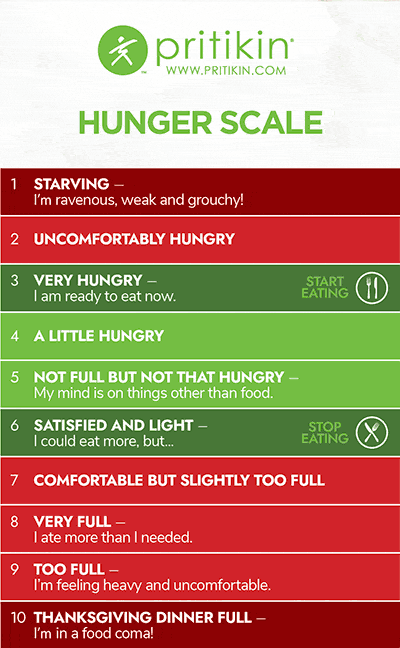
- Listen to Your Body’s Cues: Before eating, ask yourself, “Am I truly hungry?” During eating, pause periodically and assess your fullness level. Stop when you are comfortably satisfied, not stuffed.
- Engage All Your Senses: Notice the colors, smells, and arrangement of your food. How does it feel in your mouth? What sounds do you hear as you eat?
- Practice Gratitude: Take a moment to appreciate your food and the nourishment it provides.
Mindful Eating for Sustainable Weight Management
For those looking for sustainable weight management, mindful eating is a game-changer. By increasing awareness of hunger and fullness cues, it naturally helps regulate portion sizes and reduces impulsive eating. This approach avoids the pitfalls of restrictive dieting, which often lead to rebound weight gain. Instead, mindful eating fosters an intuitive understanding of what your body truly needs, leading to healthier choices that are sustainable long-term. It empowers you to make food decisions based on internal wisdom rather than external rules, making weight management a natural outcome of respectful self-care.
The Emotional and Physiological Benefits
Beyond weight management, mindful eating significantly contributes to better emotional health. It reduces stress, helps combat emotional eating, and improves body image by fostering a more compassionate relationship with your body. Physiologically, it enhances digestion by promoting slower eating and better chewing, allowing your digestive system to work more efficiently. This can alleviate common issues like bloating and indigestion, ensuring your body effectively absorbs the nutrients it needs to thrive.
When to Seek Expert Guidance at Sidra Family Hospital
While mindful eating can be practiced independently, our expert Nutrition and Lifestyle Medicine teams at Sidra Family Hospital are here to provide personalized support. If your family is struggling with chronic weight issues, disordered eating patterns, persistent digestive problems, or simply needs tailored guidance to adopt healthier habits, we encourage you to reach out. We offer comprehensive assessments, personalized meal plans, and ongoing coaching to help you and your loved ones build a foundation of lifelong healthy eating. Your family’s well-being is our priority, and we are dedicated to helping you cultivate a balanced and joyful relationship with food.

Conclusion: A Mindful Step Towards a Healthier Family
Embracing mindful eating is a profound investment in your family’s health and happiness. It’s a journey that moves beyond quick fixes, offering a sustainable path to better weight management, improved digestion, and enhanced emotional well-being. By slowing down, savoring each moment, and truly listening to your body, you empower yourself and your loved ones to build a healthier, more conscious relationship with food.
Sidra Family Hospital stands ready to be your partner in this transformative journey. Our compassionate experts are here to provide the guidance and support you need to integrate mindful eating into your daily life, ensuring a future filled with vitality and wholesome nourishment for every member of your family. Take the first mindful bite towards a healthier tomorrow—your family deserves it.