
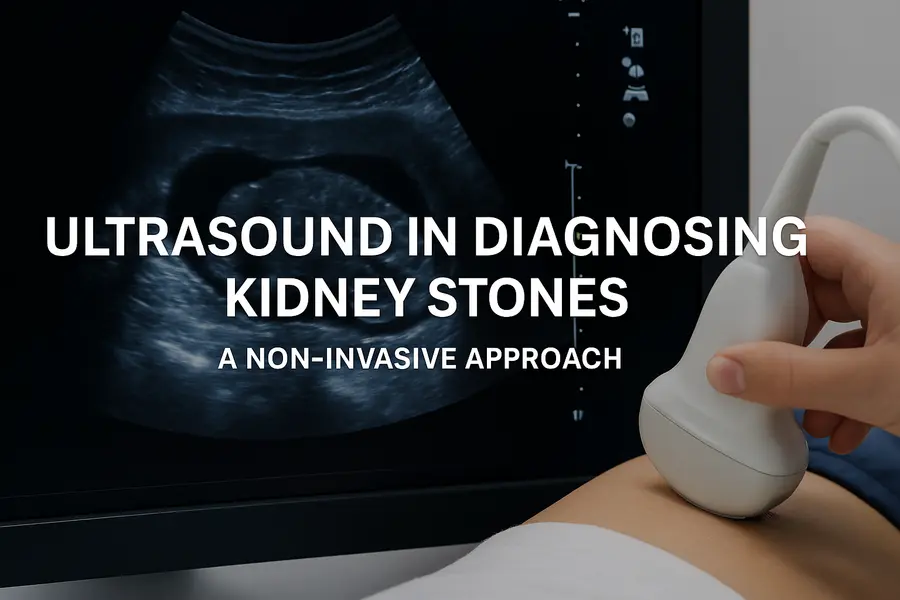
Ultrasound in Diagnosing Kidney Stones: A Family-First Approach at Sidra Family Hospital
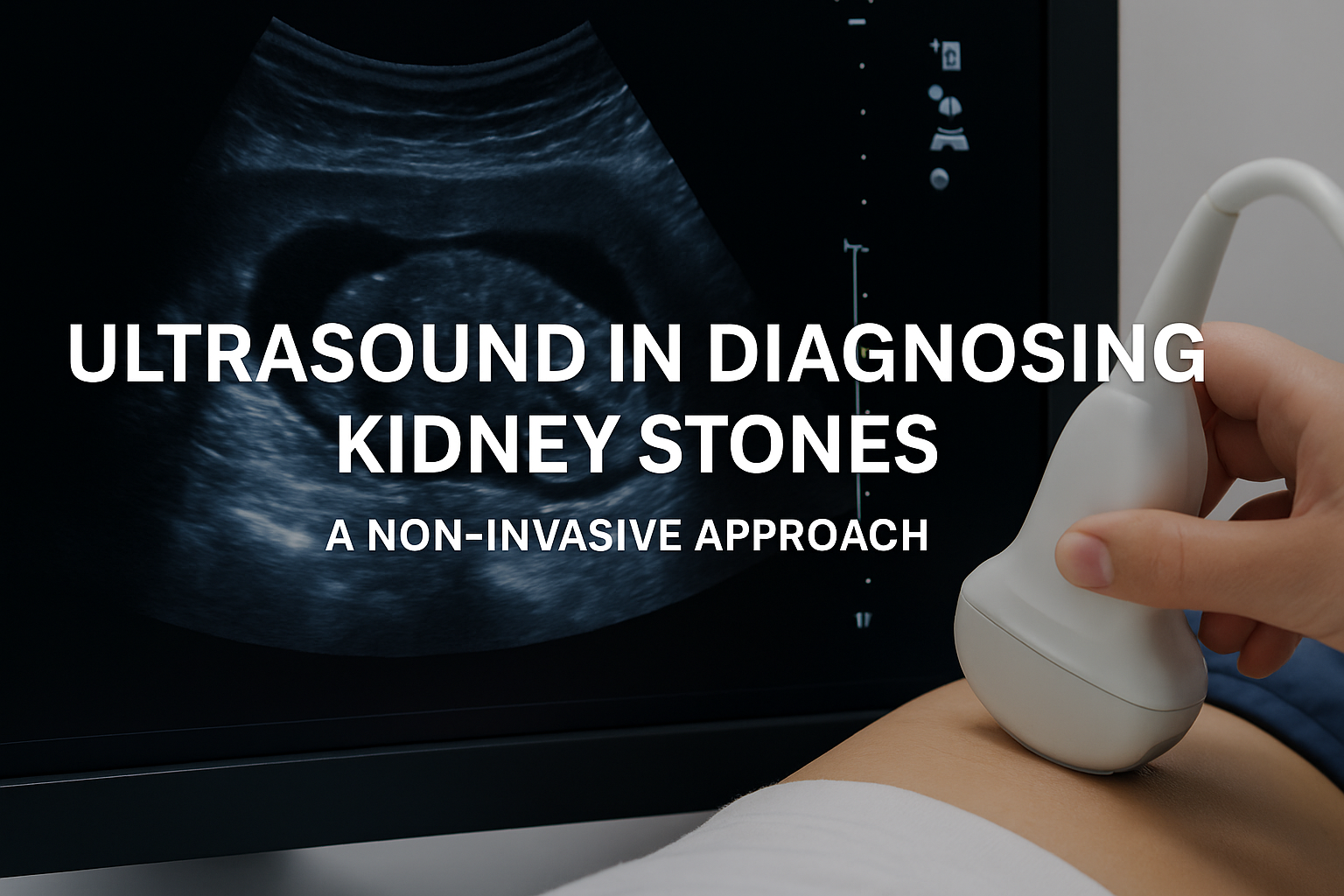
Introduction: Prioritizing Your Family’s Health with Advanced Diagnostics
The sudden onset of severe flank pain, a dull ache in the back, or the alarming presence of blood in urine can be distressing for any family. These symptoms often signal the presence of kidney stones, a condition that can cause significant discomfort and disruption to daily life. At Sidra Family Hospital, we understand these concerns and prioritize your family’s well-being with state-of-the-art diagnostic tools.
We champion ultrasound in diagnosing kidney stones as a safe, non-invasive, and remarkably effective method. This radiation-free approach is particularly beneficial for vulnerable patients, including children and expectant mothers, ensuring accurate detection without exposure to harmful radiation. Early and precise diagnosis is not just about identifying the problem; it's about preventing complications, guiding effective treatment, and restoring peace of mind to your loved ones.
Understanding Kidney Stones and Their Impact on Families
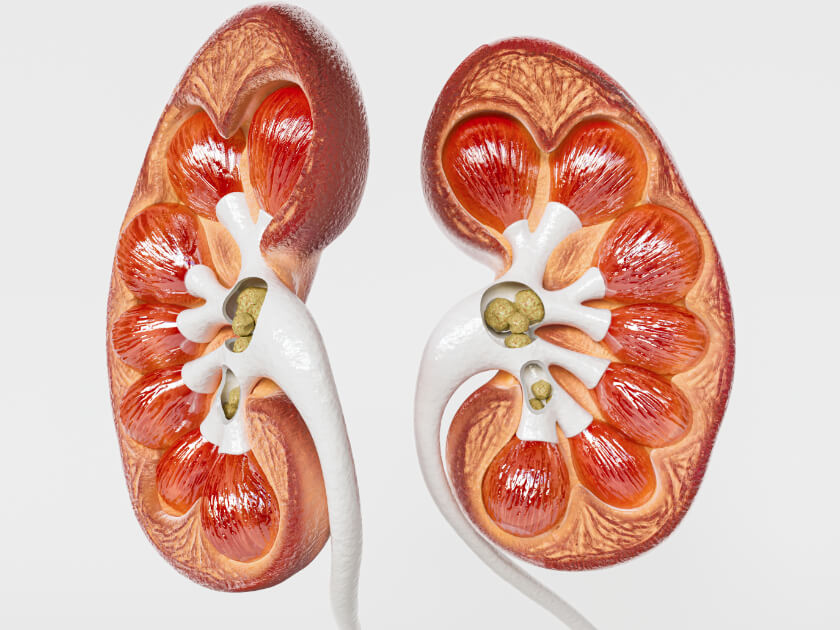
Kidney stones are hard deposits made of minerals and salts that form inside your kidneys. They can vary in size, from as small as a grain of sand to as large as a pearl. While some pass unnoticed, larger stones can become lodged in the urinary tract, causing excruciating pain and potential blockages. Common types include calcium stones, uric acid stones, struvite stones, and cystine stones.
The symptoms of kidney stones are often unmistakable and can significantly impact a family’s routine. Patients may experience intense pain in the back, side, or lower abdomen, which can radiate to the groin. Other signs include painful urination, blood in the urine, cloudy or foul-smelling urine, nausea, vomiting, and sometimes fever if an infection is present. These symptoms not only cause physical suffering but can also lead to missed school days for children, lost work productivity for adults, and general distress for the entire household.
Ultrasound: A Safe, Precise, and Family-Friendly Diagnostic Tool
An ultrasound for kidney stones utilizes high-frequency sound waves to create real-time images of the kidneys and urinary tract. A small, handheld device called a transducer is moved gently over the skin, transmitting sound waves that bounce off internal structures and return to create detailed pictures on a monitor. This allows our specialists to visualize the size, location, and number of kidney stones, as well as detect any associated complications like urinary tract obstruction (hydronephrosis).

Advantages of Ultrasound for Kidney Stone Detection:
- Non-invasive and Radiation-Free: This is arguably the most significant advantage. Unlike X-rays or CT scans, ultrasound involves no ionizing radiation. This makes it the preferred initial diagnostic choice for pregnant women and children, and ideal for follow-up monitoring, eliminating concerns about cumulative radiation exposure over time.
- Real-time Imaging: Our sonographers can observe the kidneys and urinary tract in motion, identifying dynamic issues such as urine flow obstructions caused by stones. This real-time capability aids in a comprehensive assessment of kidney function.
- Painless and Quick: The procedure is generally comfortable, takes only a short time, and requires minimal preparation. This ease and speed are crucial for patients experiencing acute pain.
- Cost-Effective: Generally, an ultrasound is more affordable than other advanced imaging modalities, making high-quality diagnostics accessible to more families within our community.
- Follow-up Friendly: Due to its safety profile, ultrasound is an excellent tool for monitoring the progression of known stones or assessing the effectiveness of treatment over time, without additional health risks.
Ultrasound vs. Other Imaging Techniques: A Balanced Approach
While CT scans have traditionally been considered the gold standard for detecting kidney stones due to their high detail, they involve a dose of radiation. At Sidra Family Hospital, we believe in a balanced, patient-centered approach. Emerging research and clinical guidelines increasingly support starting with an ultrasound in diagnosing kidney stones as the primary imaging modality, especially for initial presentations and follow-up care.
Ultrasound offers comparable accuracy for detecting stones that are likely to cause symptoms, particularly those causing urinary obstruction. For situations requiring more intricate detail, our specialists may recommend a low-dose CT scan, carefully weighing its benefits against the minimal radiation exposure. Our commitment is to provide the most effective and safest diagnostic pathway tailored to each patient’s unique needs.
The Sidra Family Hospital Difference: When Ultrasound is Recommended
We recommend an ultrasound for kidney stone detection whenever symptoms suggest their presence. This includes severe pain, unexplained abdominal or back discomfort, persistent nausea, or changes in urination patterns. It is also the go-to diagnostic for:
- Pregnant Women: To avoid any risk of radiation exposure to the developing fetus.
- Children: Minimizing radiation in young, growing bodies is paramount for long-term health.
- Patients Requiring Frequent Monitoring: For individuals with a history of recurrent kidney stones, ultrasound provides a safe way to track stone growth or evaluate treatment efficacy.
- Initial Assessment: To quickly identify the presence of stones and assess for urgent complications like blockages.
In the local Pakistani context, where access to healthcare and concerns about radiation exposure can be significant, our commitment to using ultrasound in diagnosing kidney stones addresses crucial family needs. The affordability and widespread availability of ultrasound technology at Sidra Family Hospital reduce the financial burden on families while providing quick, reliable results. This approach ensures that more individuals can access timely and safe diagnostics, preventing delays that could lead to more severe complications and higher treatment costs down the line. We aim to empower families with accurate information and peace of mind, knowing their loved ones are receiving the best possible care.
Preparing for Your Kidney Ultrasound and What to Expect
Preparing for an ultrasound for kidney stones is typically straightforward. You may be asked to drink several glasses of water before your appointment to ensure a full bladder, which can improve visibility of the urinary tract. Our team will provide specific instructions tailored to your situation when you book your appointment.
During the procedure, you will lie comfortably on an examination table. A clear, warm gel will be applied to your abdomen and back over the kidney area. The sonographer will then gently move the transducer across the skin, capturing images. You might feel a little pressure, but the process is generally painless and lasts about 15-30 minutes. After the scan, the gel will be wiped off, and you can resume your normal activities immediately. A specialized radiologist will interpret your images, and the results will be promptly shared with your referring physician to discuss the next steps.
Your Forward Path to Wellness: Treatment, Prevention, and Our Commitment
The detailed information obtained from an ultrasound in diagnosing kidney stones is invaluable for crafting a personalized treatment plan. Our urologists and specialists use these insights to determine the stone’s exact size, its precise location, and whether it’s causing any significant obstruction, which directly impacts the chosen course of action. Small stones might pass naturally with increased fluid intake and medication for pain management. Larger or obstructive stones may require more advanced interventions, such as shock wave lithotripsy, ureteroscopy, or percutaneous nephrolithotomy (PCNL).
Beyond treatment, preventing future kidney stones is vital for long-term health. Staying well-hydrated is paramount; drinking plenty of water throughout the day can help dilute urine and prevent stone formation. Dietary adjustments, such as reducing sodium and animal protein intake, may also be recommended based on the type of stone identified. Maintaining a healthy weight and addressing underlying medical conditions are also crucial preventive measures.
At Sidra Family Hospital, we are not just focused on diagnosis and treatment; we are dedicated to your family’s entire journey toward wellness. If you suspect kidney stones, do not delay seeking medical attention. Our compassionate team of expert radiologists and urologists utilize advanced technology to provide precise diagnoses and comprehensive care. Trust us to guide you and your loved ones through every step, ensuring comfort, effective recovery, and lasting peace of mind.
Book Your Kidney Ultrasound at Sidra Family Hospital
Don’t let kidney stone pain disrupt your family’s life. Choose the safe, accurate, and family-first diagnostic approach at Sidra Family Hospital. Contact us today to schedule your kidney ultrasound and take the first step towards relief and recovery.