A Crawling Issue: When Head Lice Treatments Are Worse Than the Pest Itself

Head lice infestations are a common childhood nuisance, often bringing with them a wave of panic for parents seeking immediate solutions. While the thought of tiny critters crawling on a child’s scalp is unsettling, it’s crucial for families to approach head lice treatments with caution. Many over-the-counter and prescription options contain powerful pesticides that, if misused, can pose greater risks to a child’s health than the lice themselves. At Sidra Family Hospital, we advocate for informed decisions and safe practices, always prioritizing your child’s well-being.
The Translation: Understanding Head Lice and Treatment Risks
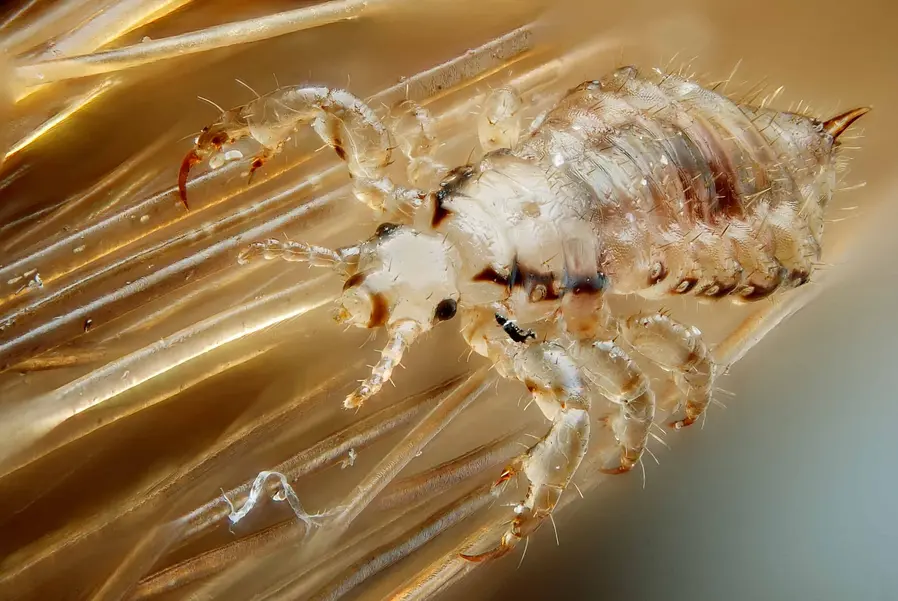
Head lice are tiny, wingless insects that live on the human scalp, feeding on small amounts of blood. They are highly contagious, commonly spread through head-to-head contact, particularly among school-aged children. While head lice are a nuisance, causing itching and discomfort, they do not transmit diseases. The real concern often arises from the vigorous and sometimes inappropriate use of chemical head lice treatments.
Many popular head lice treatments contain potent insecticides such as lindane, permethrin, and malathion. Lindane, for instance, is a neurotoxin linked to seizures and other neurological problems, especially in young children or those with pre-existing conditions. Permethrin and malathion, while generally considered safer, can still cause skin irritation, allergic reactions, and even more serious systemic effects if absorbed in large quantities, particularly with repeated applications or if left on for too long. Improper application, such as using excessive amounts or covering large areas of the body, significantly increases these risks.
The drive to eradicate lice quickly can lead parents to overuse or combine different products, intensifying exposure to these chemicals. It’s also common for parents to misdiagnose, treating conditions that aren’t actually head lice, such as dandruff or hair product residue, thus exposing their children to unnecessary chemicals. Confirming an active infestation with live lice is the vital first step. Our Child Health department emphasizes that effective solutions don’t have to be aggressive or harmful.
The Socio-Economic Impact: Head Lice in Pakistani Families
In the Pakistani context, a head lice infestation extends beyond a simple medical issue, carrying significant socio-economic implications for families. The stigma associated with head lice can be profound, leading to shame and social isolation for affected children. Parents often face immense pressure to resolve the issue quickly, sometimes resorting to traditional remedies or readily available, unverified chemical options without proper medical consultation. This often results in improper use or excessive application of harmful pesticides, exacerbating health risks.
The financial burden of repeated head lice treatments, including medicated shampoos, specialized combs, and increased laundry cycles, can also strain family budgets, particularly for lower-income households. Moreover, children with head lice may experience disrupted school attendance due to school policies or parental embarrassment, leading to missed learning opportunities. This cycle can impact a child’s academic performance and overall sense of belonging. The lack of accurate information and accessible, safe pathways in some communities further complicates matters, pushing families towards solutions that might be more detrimental than beneficial.
At Sidra Family Hospital, we understand these challenges. Our approach is culturally sensitive, providing discreet and empathetic support. We aim to equip families with accurate information and safer, effective strategies for managing head lice that consider both the child’s health and the family’s socio-economic realities, fostering community well-being without judgment.
The Forward Path: Safe Strategies and Sidra Family Hospital’s Guidance

Navigating a head lice infestation safely involves clear, practical steps focused on confirmation, gentle removal, and prevention. Before applying any head lice treatments, first confirm the presence of live lice. Nits (eggs) alone do not indicate an active infestation, as they can remain in the hair after lice are gone. Use a fine-toothed nit comb on wet hair, systematically checking sections of the scalp. If you find live lice, contact your pediatrician for guidance.
For many families, manual removal, or “wet combing,” is a highly effective and chemical-free primary approach. This involves thoroughly wetting the hair, applying a generous amount of conditioner, and meticulously combing through the hair from root to tip with a specialized nit comb. Repeat this process every 3-4 days for at least two weeks to ensure all newly hatched lice are removed before they can reproduce.
Preventative measures are equally important in reducing the need for head lice treatments. Educate children about avoiding head-to-head contact during play, especially at school. Discourage sharing hats, helmets, brushes, combs, and hair accessories. Regularly check your child’s hair, particularly if there’s an outbreak in their school or community.
If you are considering medicated solutions, it is imperative to consult a healthcare professional. Our dedicated Child Health department at Sidra Family Hospital offers expert consultation, guiding you through safe, pediatrician-approved options. We provide accurate diagnosis, recommend the most appropriate and least toxic head lice treatments when necessary, and offer detailed instructions to minimize risks. Our team is here to support your family with compassionate care and effective solutions, ensuring your child’s safety and peace of mind.