Navigating Your Diet After Gallbladder Removal: A Family-First Guide from Sidra Family Hospital
Navigating Your Diet After Gallbladder Removal: A Family-First Guide from Sidra Family Hospital
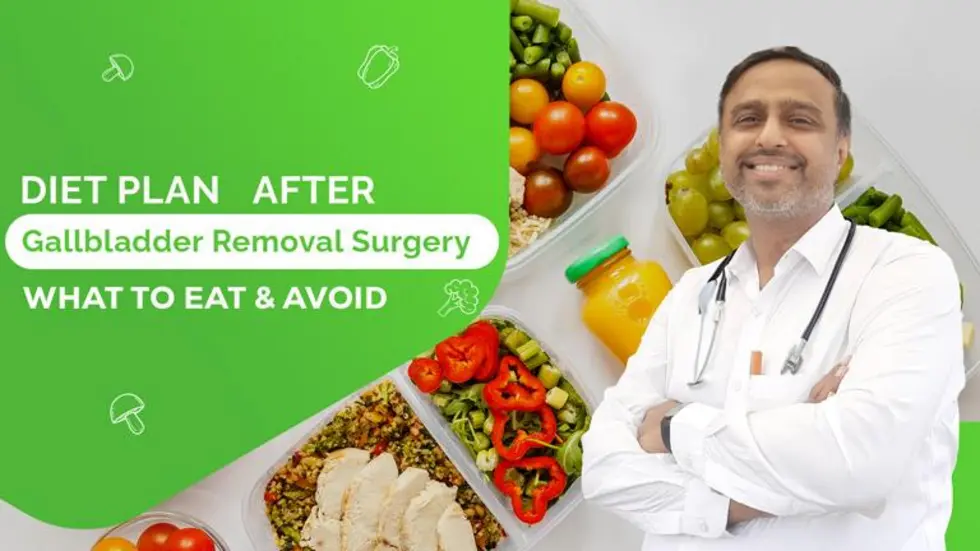
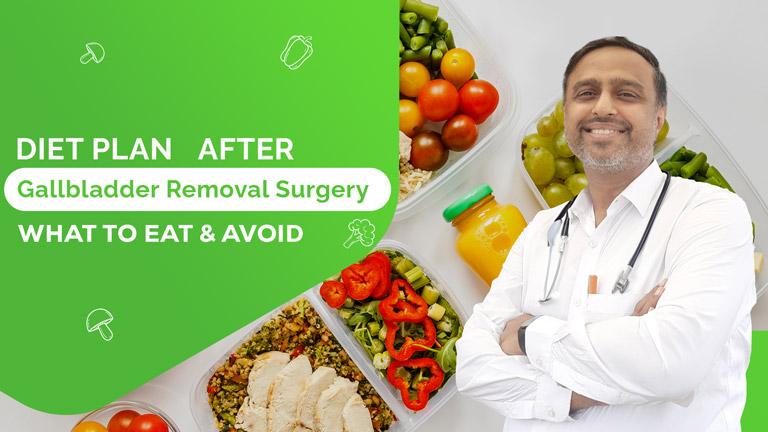
At Sidra Family Hospital, we understand that facing gallbladder removal surgery, or cholecystectomy, brings many questions, especially about dietary adjustments. Your post-operative eating plan is crucial for a smooth recovery and long-term comfort. Our dedicated team is here to guide you and your family, ensuring you receive comprehensive, compassionate care tailored to your unique needs.
This guide offers a detailed look into dietary adjustments following gallbladder removal. We provide practical advice, food recommendations, and tips for a healthy return to daily life. We empower our patients with knowledge to make informed choices that support healing and maintain a vibrant lifestyle.
The Translation: Understanding Gallbladder Removal and Digestion
Your gallbladder is a small organ storing bile, a fluid that helps digest fats in your small intestine. When gallstones form or the gallbladder becomes inflamed, removal (cholecystectomy) may be necessary.
After its removal, bile flows directly from your liver to your small intestine. Your body adapts to digesting fats differently. Initially, this can cause symptoms like diarrhea, bloating, or discomfort, especially after high-fat meals. Modifying your eating habits prevents these side effects and promotes optimal recovery. The goal is to ease your digestive system’s burden.
Following laparoscopic surgery, your doctor will recommend a gradual diet progression. This typically starts with clear liquids, moving to full liquids (broth, yogurt), then to soft, easily digestible foods, and finally, a cautious return to a more regular diet. This phased approach helps your digestive system slowly reintroduce foods and identify what your body tolerates.

The Socio-Economic Impact: Adapting Diet in Pakistani Households
For Pakistani families, adapting to a new way of eating after gallbladder removal presents unique cultural and social challenges. Traditional Pakistani cuisine often features rich, oily, and spicy dishes, central to family gatherings. Foods like curries, fried items, and desserts rich in ghee can be difficult for a post-cholecystectomy digestive system.
A “low-fat” eating approach might seem restrictive within a culinary landscape valuing richness. This can complicate meal preparation, requiring separate or modified dishes. Such changes can burden family members, particularly those managing household cooking. The social aspect of sharing meals is also profound; dietary restrictions can sometimes lead to feelings of isolation.
Sidra Family Hospital understands these sensitivities. Our “Family-First” approach means we support the entire family in adapting. Our nutritionists offer culturally sensitive dietary advice, including modifications to traditional dishes. We empower families to create supportive environments where healthy eating is a shared endeavor, ensuring recovery is a collective effort towards well-being.
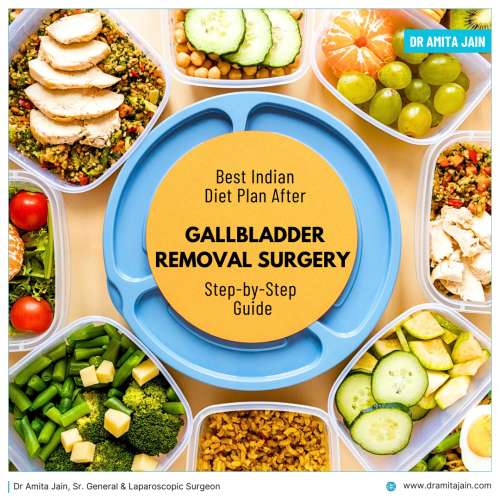
The Forward Path: Practical Steps for a Healthy Post-Gallbladder Removal Diet
Navigating your diet after gallbladder removal doesn’t have to be daunting. Smart food choices and healthier eating habits minimize discomfort and support healing. Here are practical steps and guidelines.
Prioritize Small, Frequent Meals
Aim for 5-6 smaller meals daily instead of three large ones. This helps your digestive system process smaller amounts of fat more efficiently, reducing discomfort. Eating slowly also aids digestion.
Embrace Low-Fat, High-Fiber Foods
These are cornerstones of a post-cholecystectomy diet. Low-fat foods are easier to digest. Soluble fiber helps normalize bowel movements and prevents diarrhea. Gradually increase fiber intake.
Foods to Eat After Gallbladder Removal:
- Lean Proteins: Skinless chicken/turkey, baked/grilled fish, tofu, legumes (introduce slowly), egg whites.
- Whole Grains: Oats, brown rice, quinoa, whole-wheat bread/pasta. Good for fiber and energy.
- Fruits: Apples, bananas, berries, peaches, pears. Rich in vitamins and fiber.
- Vegetables: Fresh or lightly cooked vegetables like leafy greens, carrots, steamed broccoli, potatoes. Avoid large quantities of raw, gas-producing vegetables initially.
- Low-Fat Dairy: Skim milk, low-fat yogurt, cottage cheese (in moderation). Monitor tolerance.
- Healthy Fats (in moderation): Small amounts of olive oil, avocado, or nuts can be introduced carefully once stable. Use very small portions.

Foods to Avoid or Limit After Gallbladder Removal:
These foods are often high in fat, heavily processed, or trigger digestive upset without a gallbladder.
- High-Fat Foods: Fried foods (pakoras, samosas), greasy meats, fatty cuts, full-fat dairy, butter, heavy cream. Major culprits for discomfort.
- Processed Foods: Fast food, processed snacks (chips, cookies), most baked goods, pre-packaged meals. Often contain unhealthy fats and sugars.
- Spicy Foods: Very spicy curries can irritate. Introduce mild spices gradually.
- Sugary Foods and Drinks: Excessive sugar can contribute to issues. Opt for natural fruit sweetness.
- Caffeine: Coffee, tea, and caffeinated sodas can stimulate bowels and cause diarrhea for some.
- Certain Gas-Producing Vegetables: Cabbage, cauliflower, onions might cause gas. Introduce cautiously and in small amounts.
Sample Post-Surgery Diet Menu
Here’s an example menu, keeping low-fat, high-fiber, small, and frequent meals in mind:
- Breakfast: Oatmeal with sliced banana and cinnamon, skim milk.
- Mid-Morning Snack: Small apple, whole-wheat crackers.
- Lunch: Grilled chicken salad (light dressing), small brown rice.
- Afternoon Snack: Low-fat yogurt with berries.
- Dinner: Baked fish, steamed vegetables (carrots, green beans), small boiled potato.
- Evening Snack (if needed): Small piece of whole-wheat toast.
Hydration is Key
Drink plenty of water. Hydration aids digestion and prevents constipation.
Listen to Your Body and Seek Expert Guidance
Your recovery is unique. Pay attention to food responses. Keep a food diary to identify triggers. If you experience persistent diarrhea, severe abdominal pain, nausea, vomiting, or jaundice, contact your doctor immediately. Sidra Family Hospital’s expert Nutrition department and surgical specialists offer personalized guidance and support for your healthy return to daily life. We are committed to your family’s well-being.
By following these guidelines and communicating with your healthcare providers at Sidra Family Hospital, you can confidently navigate your post-gallbladder removal diet and enjoy a full, healthy life.