
Fever Symptoms: When to Visit a Primary Care Doctor at Sidra Family Hospital

Fever Symptoms: When to Visit a Primary Care Doctor at Sidra Family Hospital
At Sidra Family Hospital, we deeply understand the concern that arises when a family member, particularly a child, develops a fever. While often a natural and beneficial sign that the body is actively fighting an infection, knowing when to seek professional medical help is paramount for the health and peace of mind of your entire family. Our compassionate team is dedicated to empowering you with the knowledge and support needed to make informed decisions about your loved ones’ health.
Understanding fever involves much more than just observing a high temperature reading. It requires a comprehensive assessment of accompanying symptoms, the individual’s overall well-being, and specific risk factors. This holistic approach ensures timely and accurate diagnosis, leading to effective interventions and the best possible health outcomes for every member of your family.
The Translation: Understanding Fever Beyond Temperature Readings
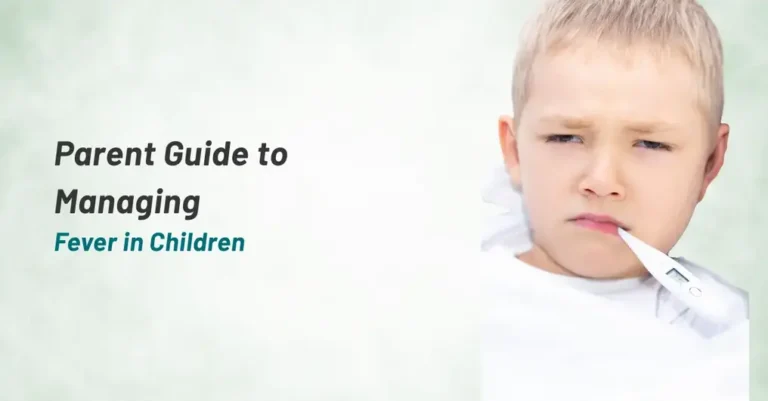
A fever is defined as an elevation in body temperature above the normal range, typically considered anything over 100.4°F (38°C). It is not an illness in itself, but rather a symptom and a crucial component of the body’s immune response. When the immune system detects an invading pathogen, such as bacteria or a virus, it signals the brain to raise the body’s core temperature, creating an environment less favorable for these invaders to thrive.
While a thermometer provides a numerical value, it is essential to look beyond this number and observe the broader clinical picture. The seriousness of a fever is often better gauged by the accompanying symptoms and how the individual is acting, rather than solely by the degree of temperature elevation. A child with a moderate fever who is playful and well-hydrated may be less concerning than one with a lower fever who appears unusually lethargic or unresponsive.
Recognizing Key Accompanying Symptoms
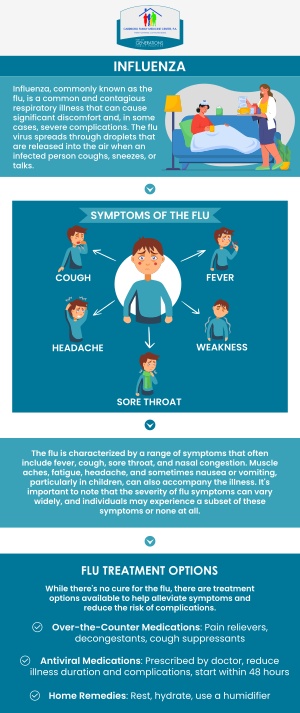
Observing a range of symptoms alongside a fever can provide critical clues about its underlying cause and potential severity. Pay close attention to signs such as difficulty breathing, which could indicate a respiratory infection; persistent vomiting or diarrhea, which might lead to dehydration; or a severe headache and stiff neck, which could be symptoms of meningitis. Any signs of confusion, unusual drowsiness, or irritability that is difficult to console, especially in infants, warrant immediate medical attention.
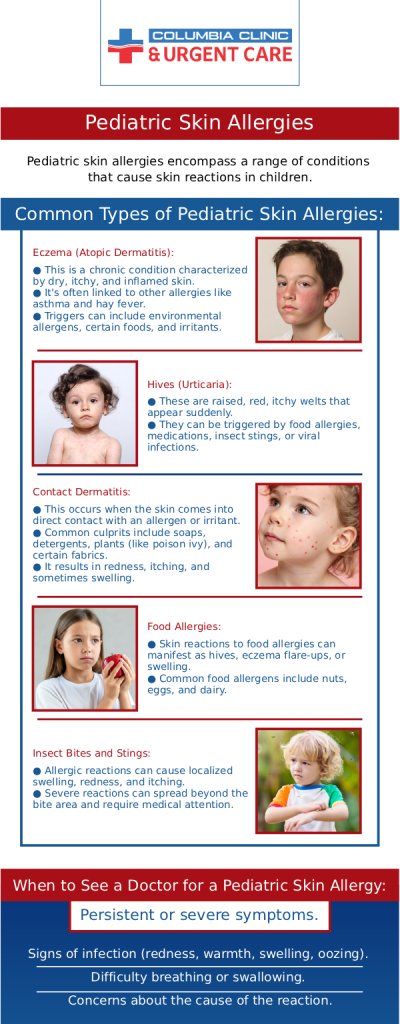
For younger children, reduced urine output, dry lips and mouth, or a sunken fontanelle (soft spot) are clear indicators of dehydration. A fever accompanied by a rash, ear pain, sore throat, or unusual crying can also point towards specific infections. Moreover, a persistent fever, defined as one lasting for several days without improvement, or unexplained weakness in your little one should never be dismissed. These prolonged symptoms often signal a more significant health issue that requires prompt professional evaluation.
The Socio-Economic Impact: Fever’s Ramifications in the Pakistani Context
In Pakistan, the presence of fever within a family unit often initiates a chain reaction of challenges that extend far beyond individual discomfort. When a child or adult falls ill with a persistent fever, it frequently leads to missed school days for children and lost workdays for parents. This directly translates into a significant economic strain on households, particularly for families reliant on daily wages, impacting their ability to meet basic needs and creating a cycle of hardship.
The financial burden of medical consultations, diagnostic tests, and medications can be substantial. In many instances, delays in seeking professional medical advice—often due to financial constraints or a lack of awareness—can lead to self-medication with unverified remedies, potentially worsening conditions or masking critical symptoms. This delay in accurate diagnosis and timely treatment can escalate what might have been a minor illness into a severe complication, necessitating more extensive and costly medical interventions.
Preventive Measures and Community Well-being
A significant number of fever-inducing infections in Pakistan are preventable and often linked to environmental factors and hygiene practices. Diseases spread through unhygienic environments, such as rodent-borne illnesses like Lassa fever, highlight the critical importance of maintaining a clean home and safe food storage practices. Contaminated water sources and inadequate sanitation facilities also contribute to the prevalence of gastrointestinal infections that commonly present with fever.
At Sidra Family Hospital, we believe that education and community engagement are vital components of preventive healthcare. By advocating for basic hygiene practices, promoting safe drinking water, and encouraging proper waste management, we aim to reduce the overall incidence of communicable diseases. Empowering families with this knowledge not only safeguards individual health but also strengthens the resilience and well-being of the entire community, lessening the socio-economic burden associated with preventable illnesses.
The Forward Path: When to Seek Medical Attention and Preventative Steps
Determining the right moment to seek medical attention for a fever is a crucial decision that can profoundly impact health outcomes. While many fevers are self-limiting and respond well to supportive care at home, certain situations unequivocally demand a visit to a primary care doctor or an emergency department. Early intervention can prevent complications and ensure a quicker, more complete recovery.
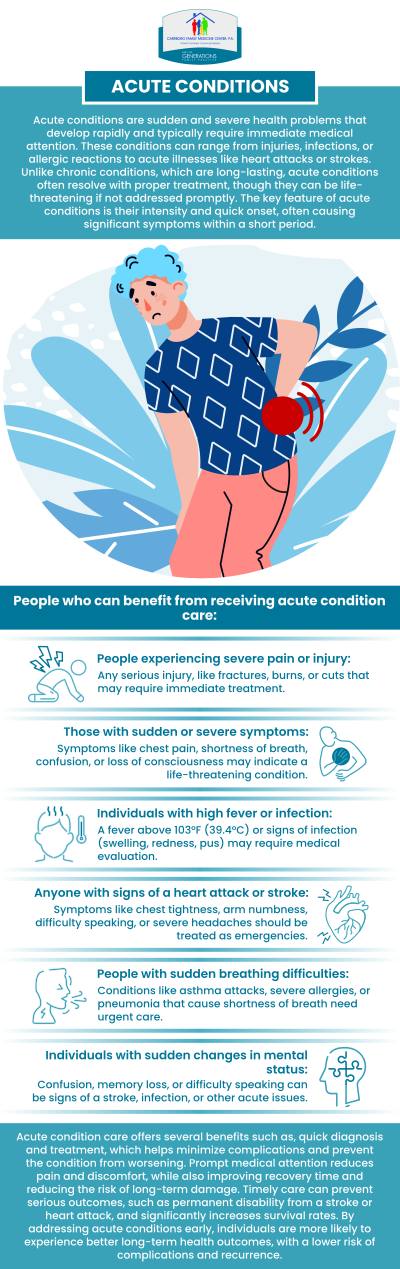
You should seek immediate medical attention if a fever in an infant under three months of age reaches 100.4°F (38°C) or higher. For older children and adults, consult a doctor if the fever exceeds 103°F (39.4°C), lasts for more than three days, or does not respond to fever-reducing medications. Additionally, any fever accompanied by severe headache, stiff neck, difficulty breathing, chest pain, persistent vomiting, unexplained rash, seizures, or signs of extreme lethargy or confusion warrants an urgent medical evaluation.
The Indispensable Role of Primary Care Doctors in Diagnosis and Treatment
Primary care doctors serve as the frontline defense in family health, offering comprehensive and accessible medical expertise for a wide range of conditions, including fevers. They are uniquely positioned to conduct thorough examinations, accurately diagnose the underlying cause of a fever, and formulate an appropriate treatment plan. This might involve prescribing antibiotics for bacterial infections, recommending antiviral medications, or simply providing guidance on supportive care measures such as rest, hydration, and over-the-counter fever reducers.
Our expert Pediatrics department at Sidra Family Hospital provides compassionate, specialized care tailored to the unique needs of children. Early consultation with our primary care doctors ensures timely, accurate diagnosis and prevents potential complications. We understand that every child is unique, and our approach focuses on personalized care, offering your family peace of mind and the best possible health outcomes.
Building a Long-Term Relationship with a Primary Care Doctor
Cultivating a long-term relationship with a trusted primary care doctor is a foundational element of proactive health management for your entire family. This ongoing connection allows your doctor to develop a deep understanding of your family’s medical history, genetic predispositions, and lifestyle factors. Such familiarity leads to more accurate diagnoses, personalized treatment strategies, and highly effective preventative care tailored to your specific needs.
Trusting medical expertise for better outcomes means having a reliable partner in your health journey. At Sidra Family Hospital, our primary care physicians are committed to being that partner. We provide continuous support, from routine check-ups and immunizations to managing acute illnesses and chronic conditions. This relationship fosters open communication and empowers families to make informed health decisions, promoting overall wellness and resilience for generations to come.
Conclusion: Your Family’s Health, Our Priority at Sidra Family Hospital
Fever, while a common symptom, demands careful attention and informed decision-making. By understanding its signs, recognizing when to seek help, and partnering with dedicated medical professionals, you ensure the best possible care for your loved ones. At Sidra Family Hospital, your family’s health is not just a priority; it is our mission.
We invite you to reach out to our Pediatrics department or schedule an appointment with one of our experienced primary care doctors whenever you have concerns about a fever or any aspect of your family’s health. Trust us to provide expert guidance, compassionate care, and a steadfast commitment to your well-being. We are here, ready to support your family every step of the way towards a healthier future.