Sciatica Self-Care: Effective At-Home Remedies for Low Back and Leg Pain
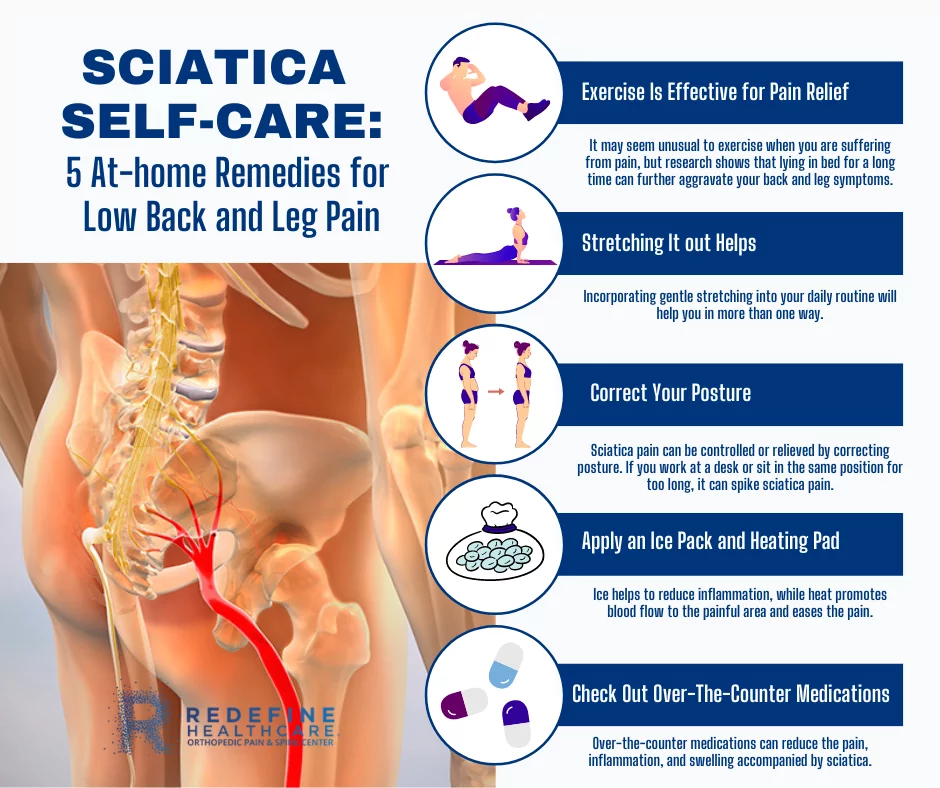
Persistent low back and leg pain can significantly disrupt daily life, impacting not just the individual but the entire family. Often, this discomfort stems from a condition known as sciatica, where the sciatic nerve, running from the lower back down each leg, becomes irritated or compressed. At Sidra Family Hospital, we understand the profound effect such pain can have on your family’s comfort and well-being. Our “Family-First” approach emphasizes proactive care and empowering you with knowledge to manage and prevent pain. Many cases of sciatica and general back pain can find significant relief through simple, effective at-home remedies. This article will guide you through practical steps to alleviate your discomfort, improve your quality of life, and when it’s essential to seek professional medical attention from our compassionate specialists.
The Translation: Understanding Sciatica and Lower Back Pain
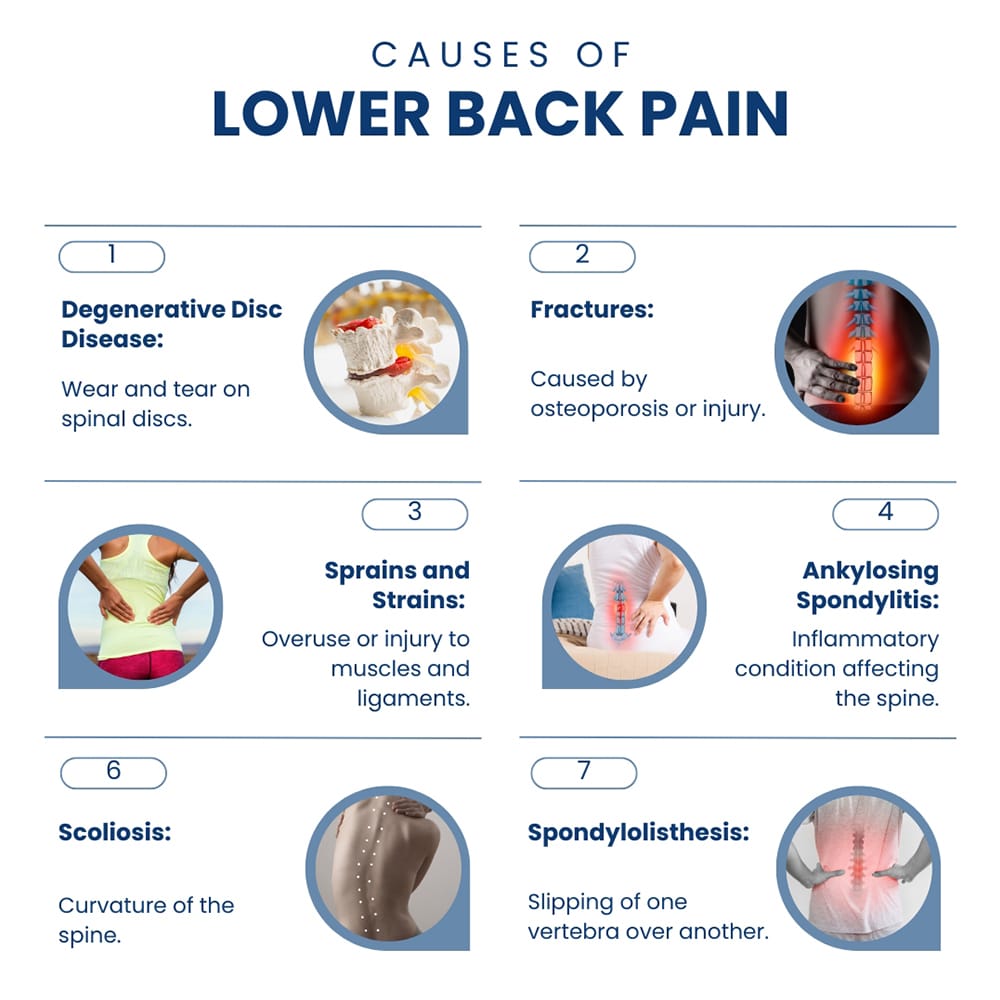
Sciatica isn’t a condition in itself, but rather a symptom of an underlying problem affecting the sciatic nerve. This nerve, the longest and thickest in your body, originates in your lower back and branches down through your hips, buttocks, and each leg. When it becomes pinched, irritated, or inflamed, you experience sciatica. This often manifests as a radiating pain that travels along the nerve’s path, typically affecting only one side of the body. The pain can range from a mild ache to a sharp, burning sensation or excruciating discomfort. Some individuals also report numbness, tingling, or muscle weakness in the affected leg or foot. Common causes include a herniated disc, spinal stenosis, piriformis syndrome, or injury. Understanding the nature of your pain is the first step towards effective management and regaining your family’s comfort.
The Socio-Economic Impact: Sciatica and Back Pain in Pakistani Families
In Pakistan, back pain and sciatica are prevalent issues that can severely impact the socio-economic fabric of families. For many, physical labor is a primary source of income, and debilitating back pain can lead to reduced work capacity or even job loss, directly affecting family finances and stability. Women, often shouldering significant domestic responsibilities including childcare and household chores, find their daily tasks become agonizing, impacting their ability to care for their families. The constant discomfort can also lead to sleep disturbances, anxiety, and depression, placing additional emotional strain on family members. Children may witness a parent struggling, affecting their emotional well-being. Access to specialized care might be limited for some, making self-care and timely medical consultation crucial. At Sidra Family Hospital, we recognize these challenges and are committed to providing accessible, family-centered care that not only addresses the physical pain but also supports the overall well-being of the family unit, helping individuals return to their productive roles and enjoy life without hindrance.
Proactive Self-Care: Empowering Your Family’s Back Health
Taking an active role in managing your sciatica and back pain symptoms can provide significant relief and prevent future flare-ups. Implementing a combination of these at-home strategies, championed by Sidra Family Hospital’s Lifestyle Medicine specialists, empowers you to take control of your health journey.
Movement and Targeted Stretching
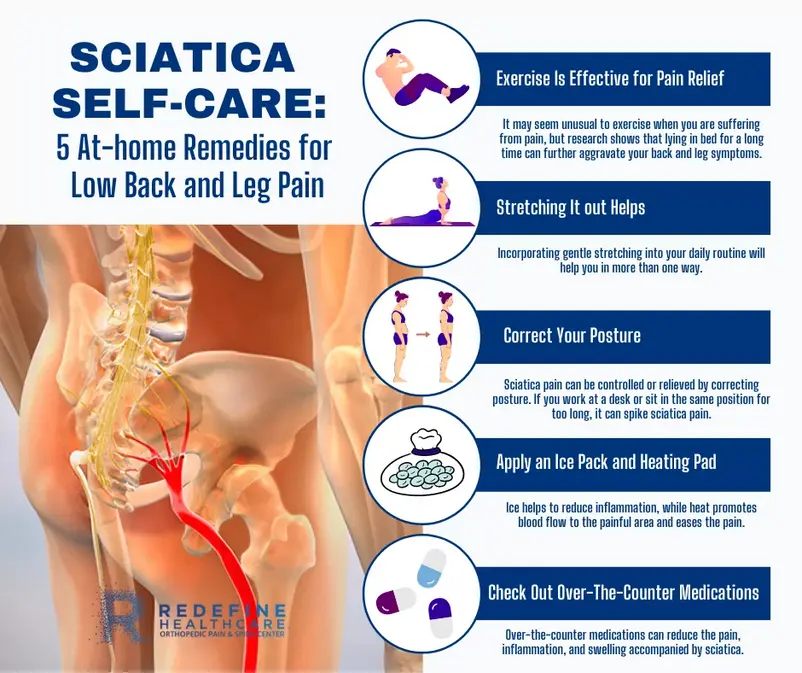
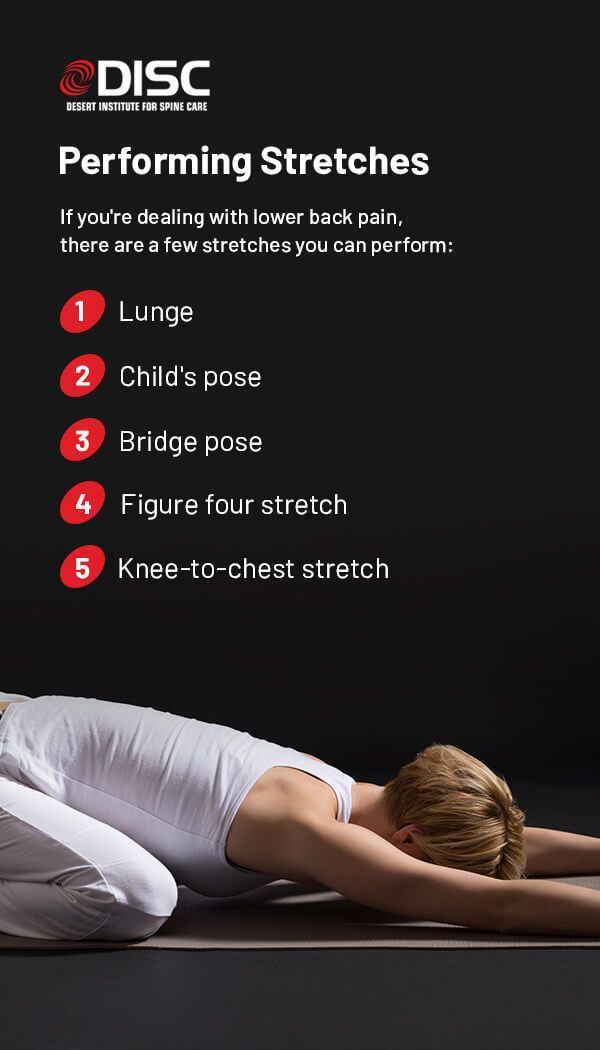
Contrary to popular belief, prolonged bed rest often worsens back pain. Gentle, consistent movement is key to reducing inflammation and strengthening supporting muscles. Focus on low-impact activities like walking or swimming. Specific stretches can also provide immense relief by decompressing the sciatic nerve and improving flexibility. Perform these stretches slowly and gently, holding each for 20-30 seconds, and never push into pain.
- Reclined Pigeon Pose: Lie on your back, cross one ankle over the opposite knee, and gently pull the bottom knee towards your chest until you feel a stretch in your glute.
- Supine Twist: Lie on your back with knees bent. Let your knees fall to one side while keeping your shoulders flat on the floor, stretching your lower back.
- Seated Forward Bend: Sit on the floor with legs extended. Hinge at your hips, reaching towards your toes, keeping your back straight.
- Cat-Cow Stretches: On all fours, alternate arching your back like a cat and then dropping your belly towards the floor like a cow. This gently mobilizes the spine.
- Bird-Dogs: From all fours, extend one arm forward and the opposite leg backward, maintaining a stable core. This builds core strength crucial for back support.
- Knee-to-Chest Stretch: Lie on your back and pull one knee (or both) towards your chest, gently compressing your lower back.
Optimize Your Environment and Habits
Your daily habits and environment play a crucial role in managing and preventing back pain. Small adjustments can make a big difference in reducing strain on your spine and sciatic nerve.
- Correct Your Posture: Maintaining good posture, whether sitting, standing, or lifting, is paramount. When sitting, keep your feet flat on the floor, and ensure your back is supported. Avoid slouching. When standing, distribute your weight evenly and keep your shoulders relaxed.
- Change Footwear: Supportive shoes can significantly impact spinal alignment. Avoid high heels or excessively flat shoes, opting for comfortable, well-cushioned footwear that provides adequate arch support.
- Moderate Rest: While complete bed rest is often counterproductive, ensuring adequate, quality sleep is vital for your body’s healing processes. Find a comfortable sleeping position, ideally on your side with a pillow between your knees, or on your back with a pillow under your knees.
- Stress Relief: Stress can exacerbate muscle tension and pain. Incorporate relaxation techniques into your daily routine, such as deep breathing exercises, meditation, or engaging in hobbies you enjoy.
Harnessing Hot & Cold Therapy and Dietary Choices
Alternating hot and cold therapy is a simple yet effective way to manage pain and inflammation associated with sciatica and back pain. Additionally, dietary choices can play a supportive role in overall spinal health.
- Apply an Ice Pack and Heating Pad: For acute pain or inflammation, an ice pack applied for 15-20 minutes several times a day can reduce swelling. Once the acute phase subsides (typically after 48-72 hours), switch to a heating pad to relax tight muscles and increase blood flow, promoting healing. Always use a barrier between the skin and the hot/cold pack.
- An Anti-Inflammatory Diet: Incorporating an anti-inflammatory diet can aid in reducing systemic inflammation throughout your body, which may contribute to pain. Focus on foods rich in antioxidants like fruits, vegetables, lean proteins, and healthy fats (e.g., olive oil, avocados). Limit processed foods, excessive sugar, and unhealthy fats.
Over-the-Counter Relief
For managing mild to moderate pain, over-the-counter (OTC) medications can provide temporary relief.
- Check Out Over-The-Counter Medications: Non-steroidal anti-inflammatory drugs (NSAIDs) like ibuprofen or naproxen can help reduce pain and inflammation. Acetaminophen may also be used for pain relief. Always follow dosage instructions carefully and consult with a pharmacist or doctor if you have underlying health conditions or are taking other medications.
The Forward Path: When to Seek Expert Care at Sidra Family Hospital
While at-home remedies are often effective, it is crucial to recognize when your symptoms warrant professional medical attention. At Sidra Family Hospital, your family’s health is our priority, and our team of Lifestyle Medicine specialists is here to provide comprehensive, compassionate care.
Seek immediate medical attention if you experience:
- Worsening pain despite self-care.
- New or increasing numbness or weakness in your leg.
- Loss of bladder or bowel control (a medical emergency known as cauda equina syndrome).
- Sudden, severe pain after an injury.
- Pain accompanied by fever, chills, or unexplained weight loss.
Our specialists at Sidra Family Hospital are equipped to accurately diagnose the cause of your sciatica or back pain and develop a personalized treatment plan tailored to your specific needs. This may include advanced diagnostics, physical therapy referrals, medication management, or other conservative treatments. We are dedicated to empowering you and your loved ones to achieve a healthier, more active life, free from debilitating pain. Do not hesitate to contact us for expert guidance and support on your journey to recovery.