

Are Your Headaches Related to Your Eyes? A Family Guide from Sidra Family Hospital

Are Your Headaches Related to Your Eyes? A Family Guide from Sidra Family Hospital
Frequent headaches can be a debilitating issue for any family member, from children struggling in school to adults facing reduced productivity. While many factors contribute to head pain, an often-overlooked cause is directly related to our eyes and vision. At Sidra Family Hospital, we understand this critical link and offer comprehensive care to diagnose and treat these specific headaches, ensuring your family’s lasting comfort and well-being.
For Pakistani families, recognizing the connection between eye health and headaches is vital. Undetected vision problems, especially in children, can significantly impact their education and daily life. Our “Family-First” approach ensures that whether it’s digital eye strain, uncorrected refractive errors, or a more complex visual issue, your family receives the expert attention needed for clearer vision and a headache-free life.
The Translation: Understanding Eye-Related Headaches
The intricate relationship between your visual system and brain means that problems with your eyes can frequently manifest as headaches. These aren’t just minor pains; they are signals that your visual system might be under stress. Identifying the specific eye conditions that cause these discomforts is the first step toward effective relief.
Common Eye Conditions That Lead to Headaches
Several eye conditions can trigger head pain by placing undue stress on your visual system:
Refractive Errors: The Need for Clear Vision
Uncorrected vision problems such as nearsightedness (myopia), farsightedness (hyperopia), and astigmatism force your eyes to work harder to focus clearly. This constant strain on the delicate eye muscles often results in a persistent, dull ache around the temples or across the forehead, which typically intensifies after prolonged visual tasks like reading or driving.
Digital Eye Strain: A Modern Challenge
Prolonged screen time on digital devices is a widespread cause of digital eye strain, or computer vision syndrome. Symptoms include headaches, blurred vision, dry eyes, and neck pain. Our eyes struggle to maintain focus on pixelated text and bright screens, leading to fatigue and subsequent head pain. Implementing the ’20-20-20 rule’ can significantly alleviate this modern challenge.
Binocular Vision Dysfunction (BVD): A Coordination Issue
BVD occurs when your eyes are not perfectly aligned, making it difficult for them to work together as a single unit. Your brain compensates for this misalignment by overworking the eye muscles, leading to significant strain and often severe headaches. These headaches can be accompanied by dizziness, nausea, and difficulties with reading or balance.
Dry Eyes: More Than Just Discomfort
When your eyes don’t produce enough quality tears, they become irritated and inflamed. This common condition can lead to a gritty sensation, burning, redness, and can also manifest as a headache, particularly behind the eyes. The discomfort compels your eyes to work harder, contributing to head pain.
Less Common, More Serious Causes
While rare, serious conditions like acute angle-closure glaucoma (sudden increase in eye pressure) or optic nerve inflammation can also cause severe headaches. These usually present with intense eye pain, sudden vision changes, or halos around lights, requiring immediate medical attention.
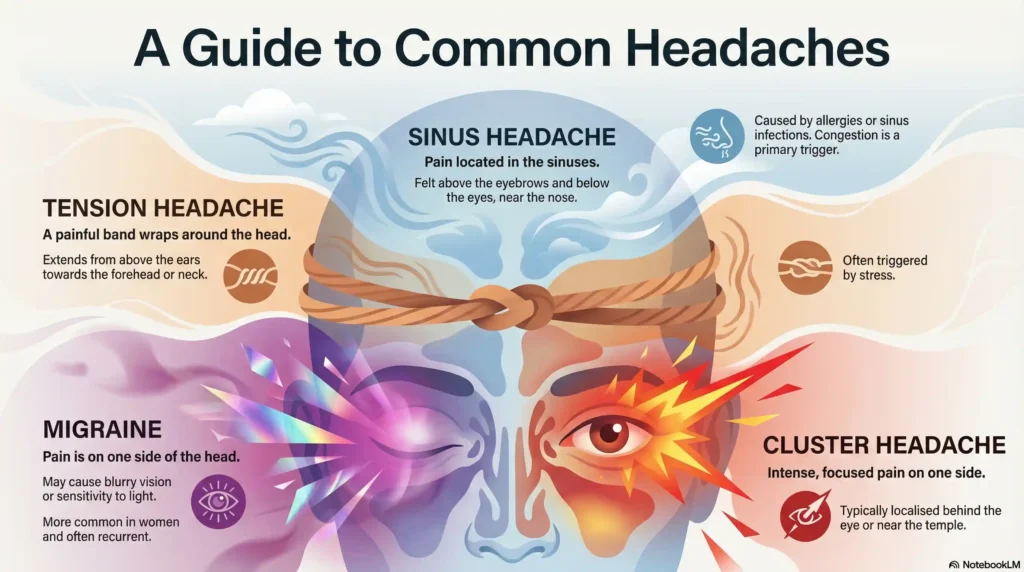
When to Suspect Your Headaches Are Eye-Related: Key Signs to Watch For
Pay close attention to these indicators that suggest your headaches may stem from an ocular source:
- Headaches that worsen after activities like reading, computer work, or other close-up tasks.
- Pain primarily located behind the eyes, in the temples, or across the forehead.
- Accompanying symptoms such as blurred vision, double vision, light sensitivity, or dry, tired eyes.
- Headaches that noticeably improve after resting your eyes or taking a break from screens.
The Socio-Economic Impact: Eye Health and Family Well-being in Pakistan
Undiagnosed or untreated vision-related headaches can have profound socio-economic consequences for families in Pakistan, impacting children’s education and adult productivity.
Impact on Children’s Education and Development
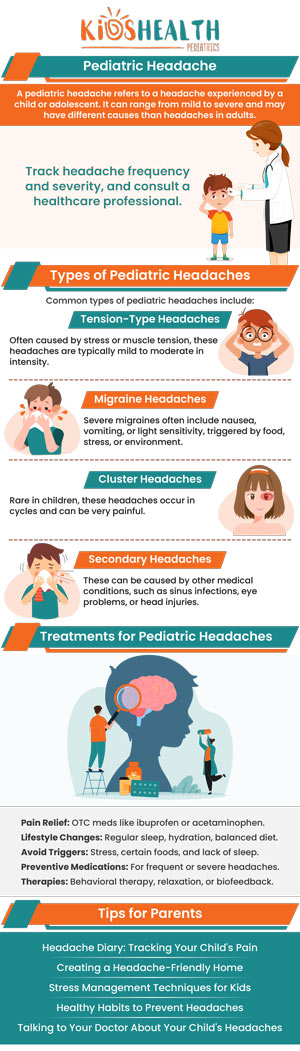
In Pakistan, children struggling with uncorrected vision and chronic headaches often face significant academic challenges. They may be mislabeled with learning difficulties when the root cause is simply their eyes working too hard. This frustration can lead to decreased school performance, reduced participation, and a substantial barrier to their educational and developmental journey. Early detection is crucial for their future.
Warning Signs for Parents: Beyond the Headache
Parents should watch for signs beyond just headache complaints. These include frequent squinting, holding objects too close, persistent eye rubbing, a decline in academic grades, or an avoidance of reading and close-up activities. Such indicators often signal underlying vision problems contributing to head pain, requiring a prompt comprehensive eye exam.
Adult Productivity and Quality of Life
For adults, persistent headaches linked to vision issues can severely diminish productivity at work and affect their ability to manage daily responsibilities. The constant discomfort impairs concentration, leads to errors, and can result in missed workdays. In many Pakistani households, this directly impacts family income and overall stability. Beyond work, chronic headaches also reduce overall quality of life, affecting mood and family interactions.
The Forward Path: Practical Steps and Expert Care at Sidra Family Hospital
Taking proactive measures and seeking expert care are vital for preventing and managing headaches that stem from eye issues. At Sidra Family Hospital, we empower your family with actionable advice and comprehensive medical support.
Proactive Management: Tips for Eye Health and Headache Prevention
Simple daily adjustments can significantly reduce eye strain and prevent headaches:
Optimize Your Workspace for Comfort
Ensure an ergonomic setup: position your computer screen an arm’s length away, with the top at or slightly below eye level. Use adequate lighting to minimize glare and reflections, which can strain your eyes.
Combat Digital Eye Strain Effectively
Regularly apply the **’20-20-20 rule’**: every 20 minutes, look at something 20 feet away for 20 seconds. This helps relax your eye muscles. Remember to blink frequently and take longer breaks from screens throughout the day.
Stay Hydrated and Nourished
Good hydration is essential for eye health, preventing dry eyes that can exacerbate headaches. A balanced diet rich in omega-3 fatty acids, vitamins A, C, E, and zinc also provides vital nutrients for healthy vision.
Ensure Adequate and Quality Sleep
Insufficient sleep can worsen headaches and eye strain. Aim for 7-9 hours of quality sleep nightly to allow your eyes and brain to rest and rejuvenate, helping to prevent the onset of head pain.
When to Seek Professional Help: Don’t Delay
If you or a family member experience persistent or worsening headaches, especially with visual disturbances like blurred or double vision, sudden vision loss, acute eye pain, or light sensitivity, it’s crucial to seek prompt medical evaluation. These symptoms may indicate a more serious underlying condition.
For children, any complaints of regular headaches, difficulty seeing the whiteboard, frequent squinting, or a noticeable drop in academic performance are clear indicators for an immediate, comprehensive eye exam. Early detection in children can prevent long-term educational and developmental setbacks.
Diagnostic Procedures: How We Identify Headache Causes
At Sidra Family Hospital, our experienced ophthalmologists and optometrists perform thorough diagnostic procedures to pinpoint the exact cause of your headaches. Our comprehensive evaluation includes:
- **Comprehensive Eye Exams:** Assessing visual acuity, refractive errors, and overall eye health.
- **Slit-Lamp Examination:** Detailed inspection of the eye’s front structures.
- **Ophthalmoscopy:** Examination of the retina and optic nerve.
- **Binocular Vision Assessment:** Evaluating how well your eyes work together.
- **Eye Pressure Measurement:** Screening for conditions like glaucoma.
We carefully consider the specifics of your headache: its location, intensity, frequency, and any accompanying symptoms to ensure an accurate diagnosis.
Sidra Family Hospital: Your Partner in Vision and Headache Relief
Our Specialized Care department at Sidra Family Hospital is dedicated to providing compassionate, comprehensive eye care for every family member. We offer state-of-the-art diagnostic tools and personalized treatment plans, from corrective lenses and vision therapy to managing complex eye conditions. Our “Family-First” philosophy ensures precise diagnosis and tailored solutions for lasting visual comfort and overall well-being. Don’t let persistent headaches compromise your family’s quality of life; trust Sidra Family Hospital to be your partner in achieving optimal eye health.

Conclusion
Headaches, particularly those linked to eye strain or uncorrected vision, are more than just a nuisance—they can significantly impact the daily lives and future prospects of your family. Understanding the signs and seeking timely intervention are crucial steps towards relief. At Sidra Family Hospital, we are committed to providing the expert eye care needed to diagnose and treat these underlying issues, ensuring your family enjoys a clearer, more comfortable life. Don’t hesitate to schedule a comprehensive eye exam if headaches are a recurring concern for you or your loved ones.