Can We Win the Malaria Arms Race? Expert Insights for Pakistani Families
Can We Win the Malaria Arms Race? Navigating Evolving Threats in Pakistan
For decades, the fight against malaria has been a cornerstone of global public health. However, we are currently locked in what scientists call a “microscopic arms race.” As the malaria parasite evolves to resist our most effective medicines, the challenge for families in Pakistan becomes increasingly complex.
At Sidra Family Hospital, we recognize that seasonal malaria is not just a medical statistic; it is a critical concern for the safety of your household. As drug-resistant strains emerge globally, understanding how to identify, treat, and prevent this disease is more vital than ever before.
The Translation: Understanding the Biological Battle
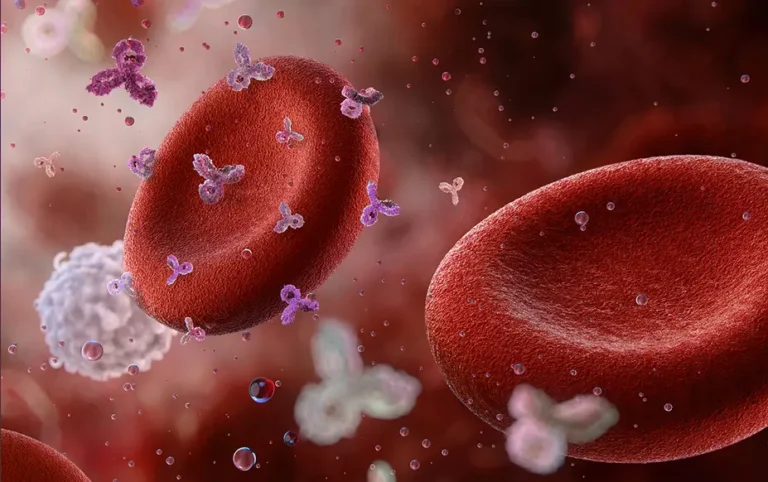
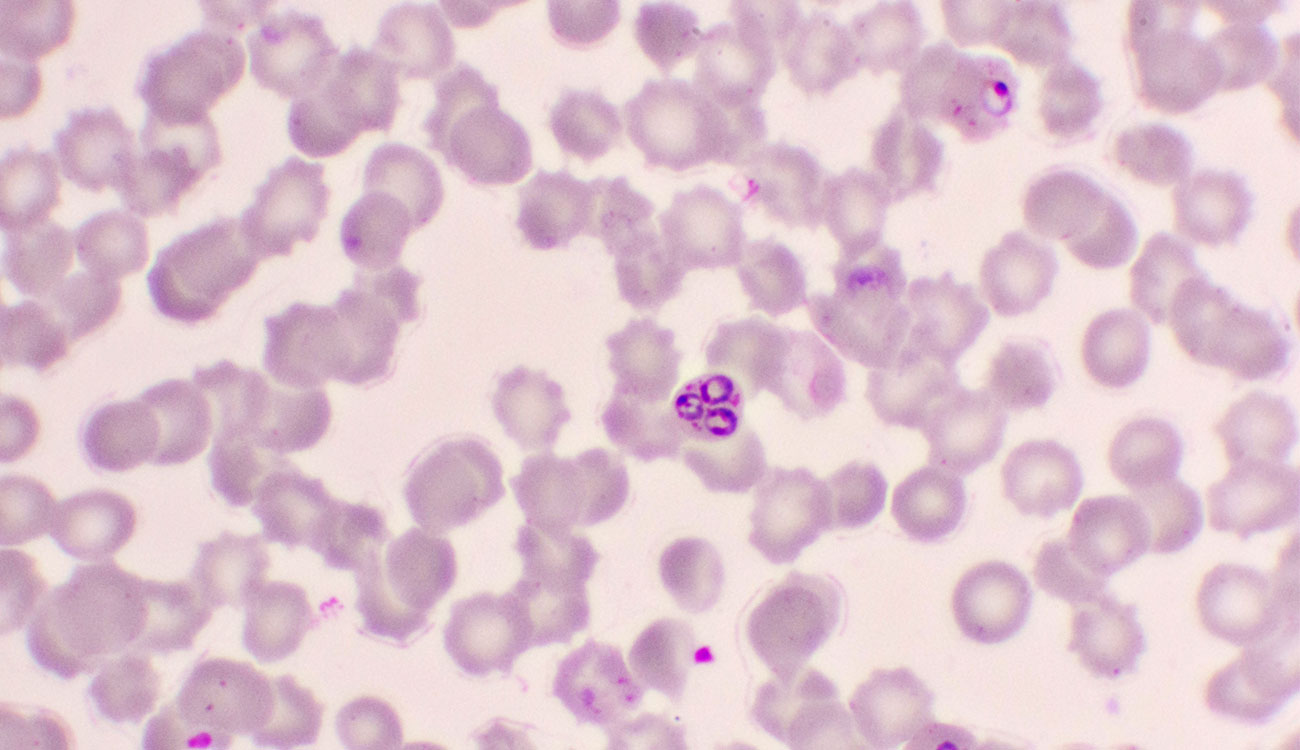
To win the arms race, we must first understand the enemy. Malaria is caused by the Plasmodium parasite, which is transmitted through the bite of an infected female Anopheles mosquito. Once inside the human body, the parasite undergoes a complex lifecycle, primarily attacking the liver and then the red blood cells.
The “arms race” refers to the parasite’s ability to develop mutations that allow it to survive even when treated with standard antimalarial drugs. This makes early identification and professional medical intervention essential. You cannot rely on “the little we had” in terms of old remedies or leftover medications from previous years.
Identifying the Symptoms Early
Malaria symptoms often mimic a standard flu, but they can escalate rapidly. Our General Medicine department urges families to watch for the following signs:
- High-grade fever: Often occurring in cycles or “waves.”
- Shaking chills: Intense shivering that occurs even in warm weather.
- Profuse sweating: Often following a fever spike as the temperature drops.
- Extreme lethargy: Unusual tiredness or weakness, especially in children.
- Severe headaches: Persistent pain that does not respond well to over-the-counter relievers.
In children under five, these symptoms are particularly dangerous. Rapid identification is the key to preventing complications such as cerebral malaria or severe anemia.
The Socio-Economic Impact: Malaria in the Pakistani Context
In Pakistan, malaria is deeply tied to our environment and seasonal climate shifts. Following the monsoon rains, the standing water provides the perfect breeding ground for mosquitoes. This creates a predictable but devastating surge in cases across both rural and urban areas.
The impact of malaria extends beyond the patient. For many Pakistani families, a single case of malaria can mean missed work for parents and missed school for children. It places a significant financial burden on the household, especially when dealing with resistant strains that require more advanced diagnostics and specific drug combinations.

Innovation Without Access
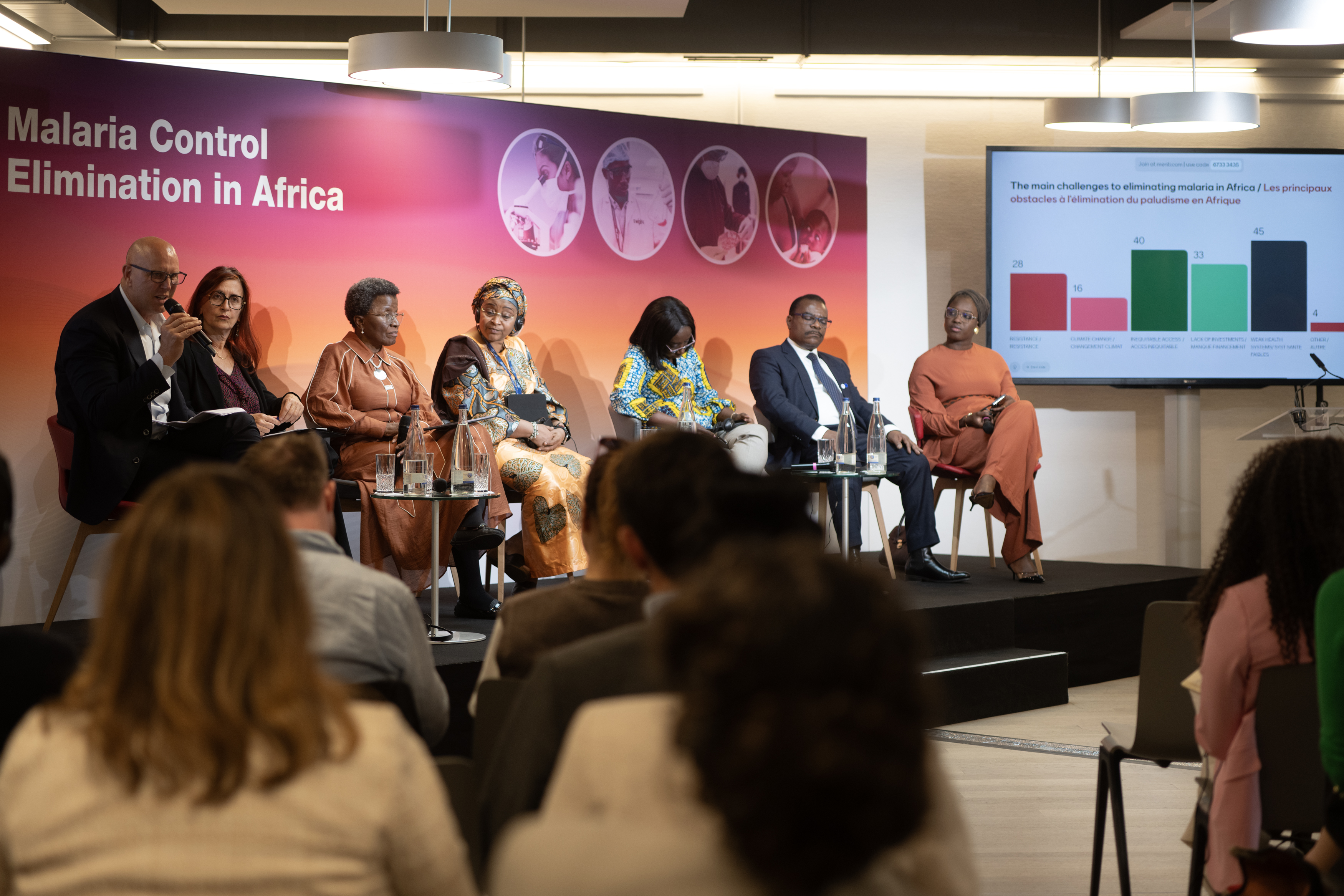
One of the greatest tragedies in the global malaria fight is “innovation without access.” While new weapons are developed in labs, they don’t always reach the “last mile”—the families who need them most. At Sidra Family Hospital, we bridge that gap. We ensure that the latest medical protocols and diagnostic tools are available to our community directly.
Our commitment is to provide high-quality Malaria treatment in Pakistan that considers the local context. We understand the specific strains circulating in our region and tailor our care plans accordingly to ensure no family is left behind in this biological race.
The Forward Path: Prevention and Specialized Care
While the arms race continues, we are far from defenseless. The forward path involves a combination of community-wide prevention and expert clinical care. Preventing the bite is your first line of defense: use insecticide-treated bed nets, wear long sleeves during dawn and dusk, and eliminate standing water around your home.
However, when prevention is not enough, Sidra Family Hospital (SFH) stands ready. Our Pediatrics and General Medicine departments are fully equipped to handle even the most complex cases. We provide specialized, age-appropriate care for the most vulnerable members of your family.
Protecting Your Little Ones
For our neonatal and pediatric patients, we utilize advanced treatments like Coartem Baby. This specialized formulation ensures that infants receive the precise dosage they need to recover safely and quickly. We believe in a “Family-First” approach, where the comfort and security of your child are as important as the clinical outcome.
When to Visit Sidra Family Hospital
If you or a loved one experiences a high-grade fever accompanied by shivering or extreme lethargy, do not wait. Early screening is the most effective way to combat malaria before it progresses. Our expert consultants are available for comprehensive screenings and expert guidance during high-risk seasons.
Trust SFH to provide the authoritative, compassionate care your family deserves. Together, we can win the race against malaria and ensure a healthier future for our community.