At-Home Asthma Monitoring: How to Reduce Your Child’s Hospital Visits by 50%

For parents of children with respiratory conditions, few experiences are as distressing as a sudden asthma flare-up. The panic of watching a child struggle for breath often leads to emergency room visits and hospital stays. However, recent medical insights reveal a transformative solution: at-home asthma monitoring.
Evidence suggests that families who actively track symptoms and lung function at home are up to 50% less likely to require emergency hospital intervention. At Sidra Family Hospital, we are dedicated to helping our community move from reactive emergency care to proactive wellness management.
The Translation: What is At-Home Asthma Monitoring?
To many, at-home asthma monitoring sounds like a complex clinical task. In reality, it is a simple, daily routine that empowers parents to act as the first line of defense for their child’s health. It primarily involves three core components: symptom tracking, peak flow measurement, and the use of an Asthma Action Plan.
Symptom tracking requires noting daily patterns of coughing, wheezing, or chest tightness. Peak flow monitoring uses a small, handheld device that measures how well air moves out of your child’s lungs. When these numbers are recorded regularly, they provide an early warning system—often signaling an impending flare-up days before physical symptoms become severe.
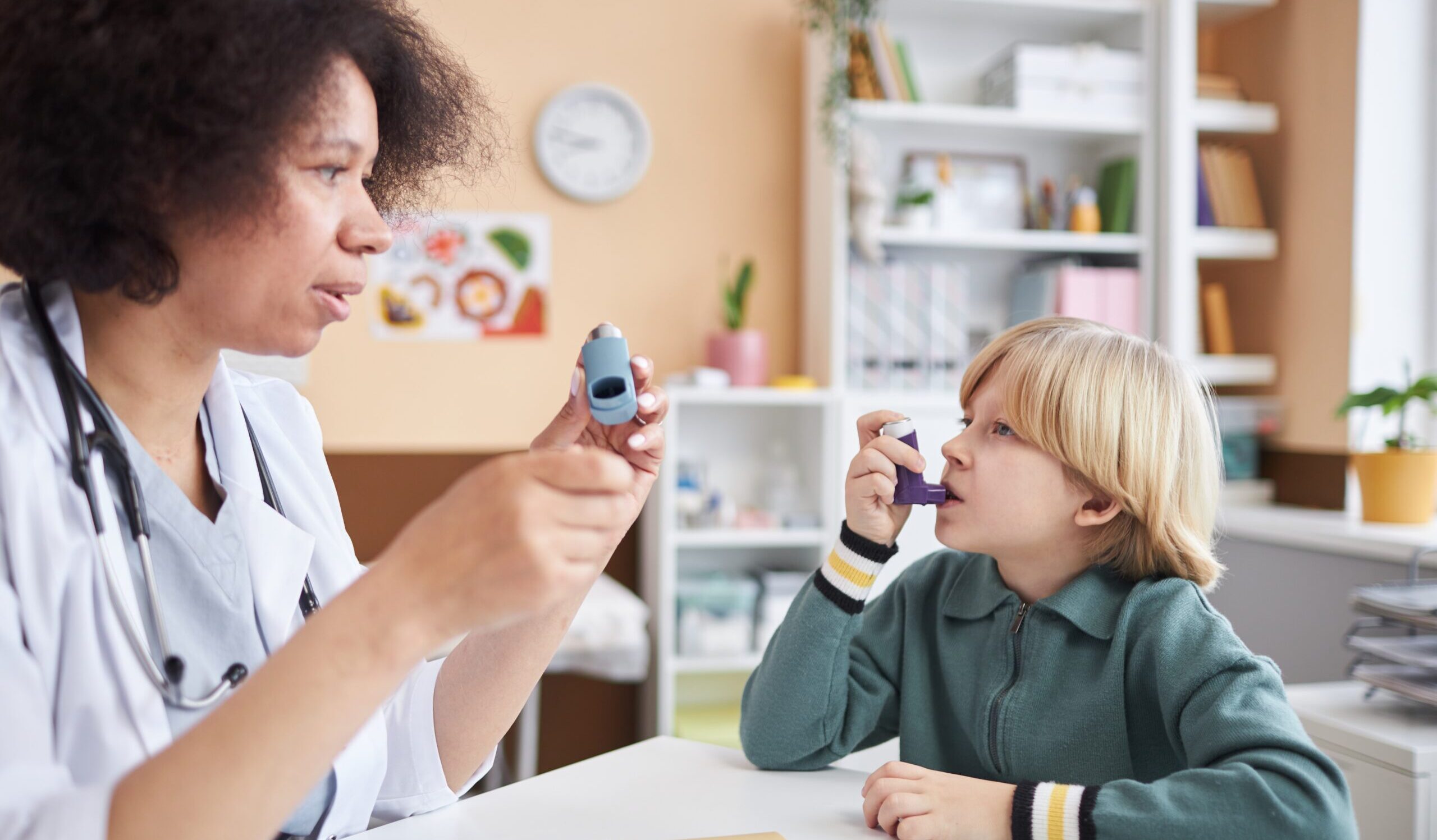
By understanding these “yellow zone” warnings, parents can adjust medications as prescribed by their SFH pediatrician. This prevents the “red zone” emergencies that lead to hospital admissions. It turns a frightening, unpredictable condition into a manageable part of daily life.
Identifying Environmental Triggers: The Hidden Culprits
A critical part of at-home asthma monitoring is identifying what sets off your child’s symptoms. Environmental triggers are the most common causes of sudden airway inflammation. Common culprits include dust mites, second-hand smoke, and indoor mold.
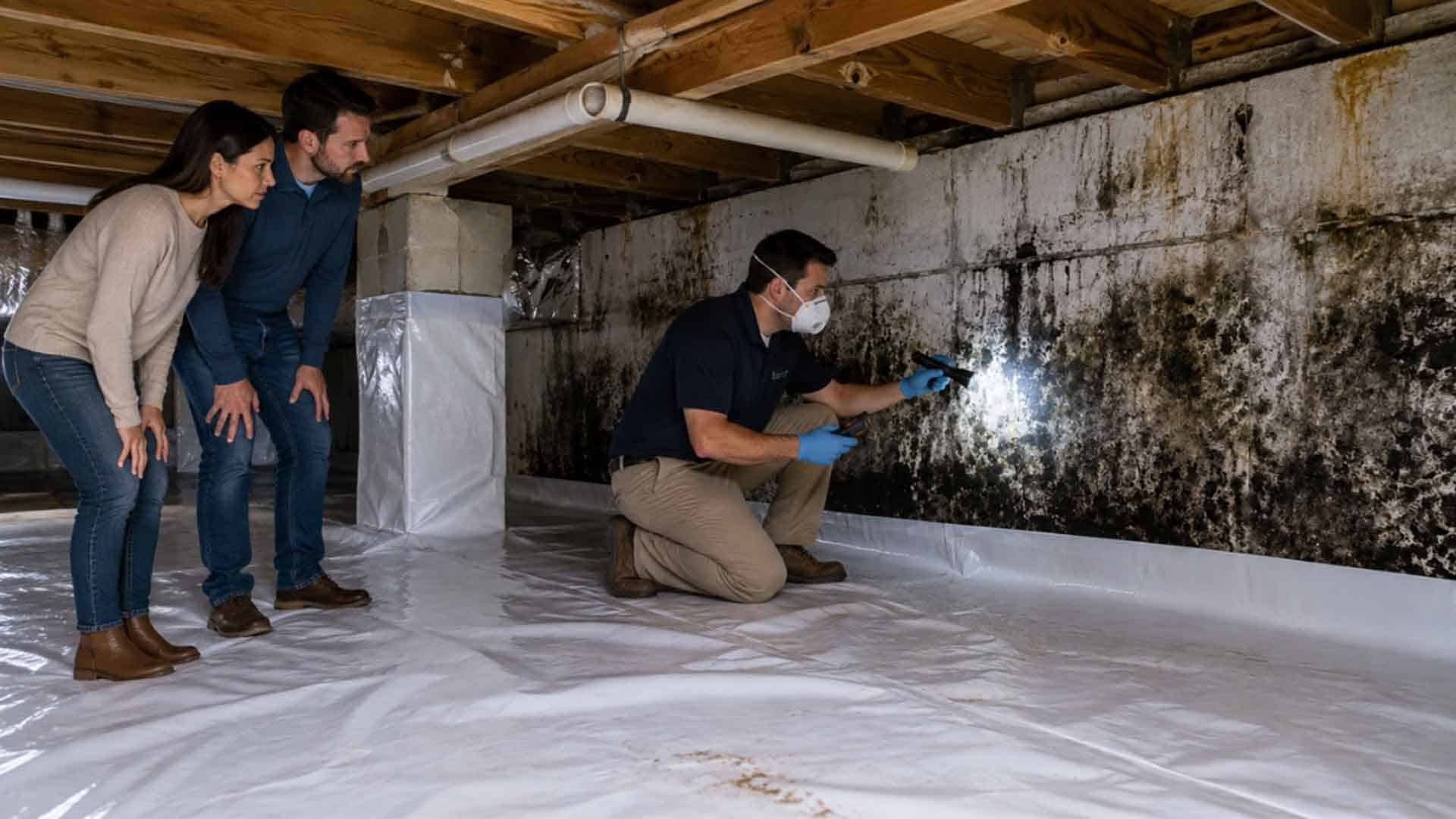
Mold, in particular, is a silent irritant. It often grows in damp, poorly ventilated areas like crawl spaces or behind bathroom tiles. When mold spores are released into the air, they can cause persistent wheezing and allergic reactions in sensitive children. Identifying these moisture sources is just as important as the medication itself.
In our local urban centers, outdoor factors also play a role. Seasonal pollen and urban air pollution—including vehicle exhaust and industrial smog—require close attention. Monitoring the local air quality index (AQI) should be a standard part of your at-home asthma monitoring routine to determine if it is a “stay indoors” day for your child.
The Socio-Economic Impact: Why This Matters in Pakistan
In the Pakistani context, the impact of childhood asthma goes far beyond health. Frequent hospitalizations place an immense socio-economic burden on families. For many, an unexpected ER visit means lost daily wages for parents and high out-of-pocket costs for emergency medications and nebulization services.
Furthermore, the educational impact is significant. Chronic asthma is a leading cause of school absenteeism. When a child misses school frequently, it affects their academic progress and social development. By implementing at-home asthma monitoring, families can ensure their children stay in the classroom and parents stay at work.
The strain on our public health infrastructure is also reduced when families manage asthma effectively at home. By reducing hospital loads, we ensure that emergency resources are available for those in life-threatening situations, creating a healthier ecosystem for everyone in our community.
The Forward Path: Practical Steps for Your Family
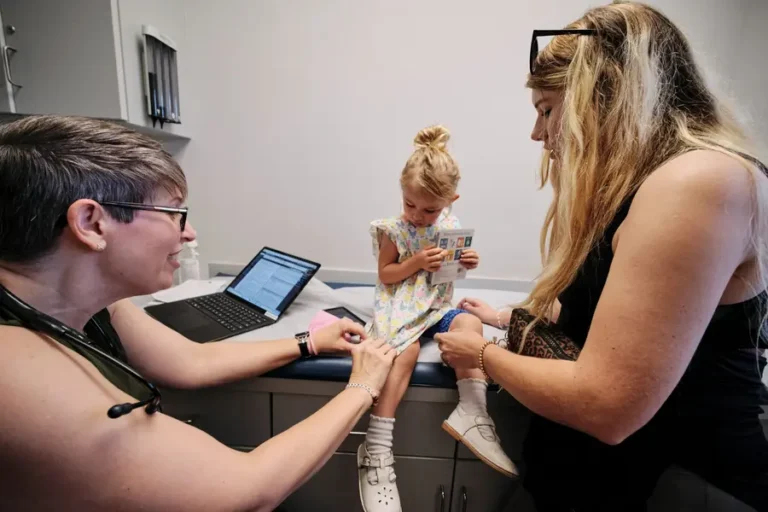
Transitioning to a proactive management style is easier than you might think. The first step is visiting the Pediatrics Department at Sidra Family Hospital for a comprehensive diagnostic evaluation. Our experts will help you create a personalized Asthma Action Plan tailored to your child’s specific needs.

To start your at-home asthma monitoring journey today, consider these practical steps:
- Maintain a Smoke-Free Home: Second-hand smoke is a primary trigger for pediatric lung irritation.
- Allergen-Proof Bedding: Use dust-mite-proof covers on pillows and mattresses.
- Moisture Control: Fix leaks immediately and ensure bathrooms are well-ventilated to prevent mold growth.
- Consistent Follow-ups: Asthma needs change as a child grows. Regular check-ups ensure your monitoring tools remain accurate.
If your child experiences frequent coughing at night, shortness of breath during play, or relies heavily on their rescue inhaler, it is time for a professional review. At Sidra Family Hospital, we are your dedicated partners in specialized pediatric wellness. We are committed to ensuring every child in our care breathes easier, every single day.