Easy Weekly Meal Prep for Type 2 Diabetes: The Sidra Family Guide
At Sidra Family Hospital, we believe that managing Type 2 Diabetes should be a sustainable, family-centered journey. For many of our patients, the biggest challenge isn’t knowing what to eat, but finding the time to prepare it.
Weekly meal prep for Type 2 Diabetes is the ultimate tool to reclaim your health and your schedule. By dedicating just two hours on a Sunday, you can ensure that your family has access to blood-sugar-friendly meals throughout the week.
Key Takeaways
- The Diabetes Plate Method is a visual tool that eliminates the need for complex calorie counting.
- Cooling and reheating starches like rice increases resistant starch, which helps stabilize blood sugar.
- Preparation reduces the “decision fatigue” that often leads to unhealthy food choices during a busy work week.
The Translation: Understanding Type 2 Diabetes
In medical terms, Type 2 Diabetes occurs when the body becomes resistant to insulin or cannot produce enough of it. However, we prefer to explain it as a “traffic management” issue. Think of your bloodstream as a highway and glucose (sugar) as the cars.
Insulin acts as the traffic signals that allow cars to exit the highway and enter the “buildings” (your cells) for energy. In Type 2 Diabetes, those signals aren’t working correctly, causing a traffic jam of sugar in your blood. Our goal with meal prep is to manage the number of “cars” entering the highway at once.
What Is The Diabetes Plate Method?
The Diabetes Plate Method is a simple visual guide recommended by our nutritionists. You don’t need a scale or a calculator; you just need a standard 9-inch plate. This method ensures you get a balance of nutrients that prevents glucose spikes.
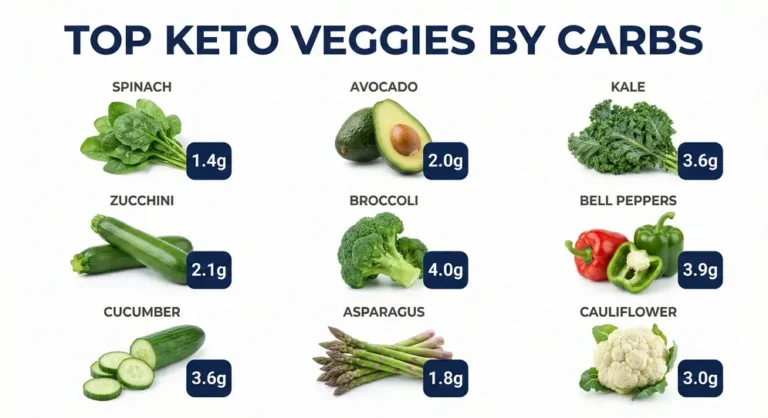
Fill half your plate with non-starchy vegetables, such as Palak (spinach), cauliflower, or bell peppers. One-quarter of the plate should be lean protein, like grilled chicken or lentils (daal). The final quarter is reserved for complex carbohydrates like brown rice or whole-grain roti.
What Can Diabetics Eat Unlimited?
Non-starchy vegetables are your best friends. These are high in fiber and water but low in calories and carbohydrates. You can generally enjoy unlimited servings of leafy greens, cucumbers, broccoli, and tomatoes without worrying about significant blood sugar impact.
The Socio-Economic Impact: Diabetes in the Pakistani Context
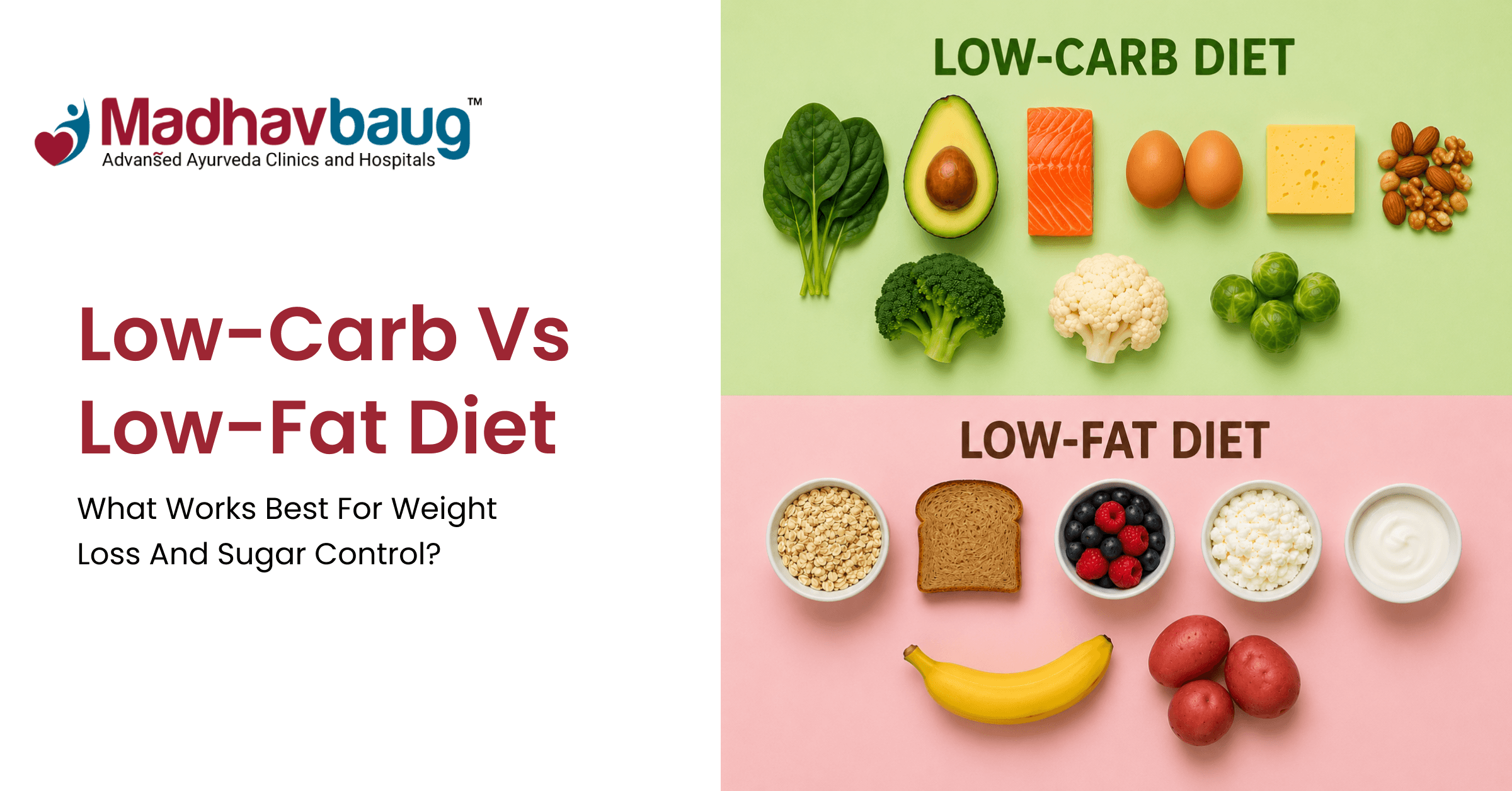
In Pakistan, diabetes is more than a medical diagnosis; it is a significant socio-economic challenge for families. Our traditional diet is often rich in refined carbohydrates, such as white rice and naan, which are affordable but contribute to rising A1C levels.
Furthermore, the rising cost of healthcare and medication puts a strain on household budgets. At Sidra Family Hospital, we emphasize that “prevention is cheaper than the cure.” Investing in whole foods and batch-cooking at home significantly reduces long-term medical expenses and improves the quality of life for the entire household.
How To Meal Prep For Type 2 Diabetes In 2 Hours
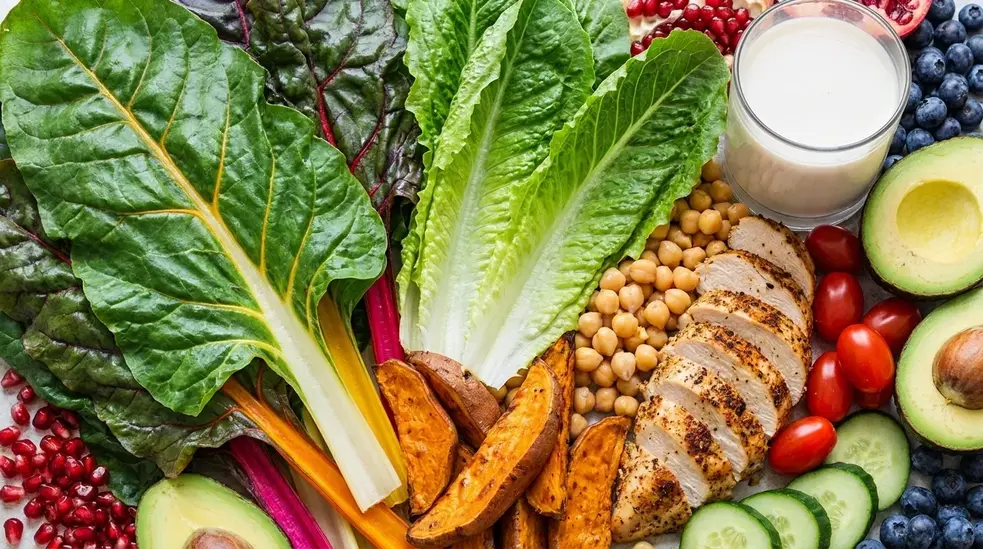
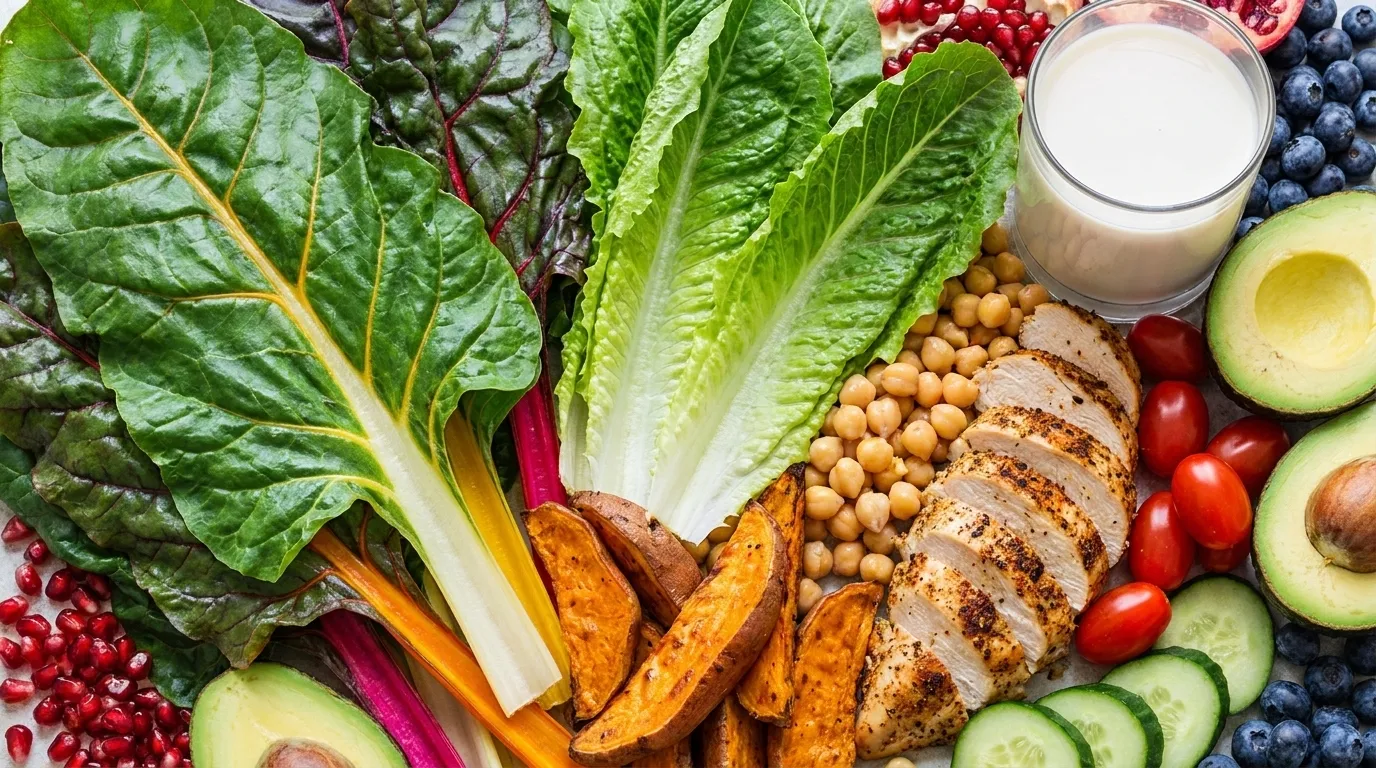
Efficiency is key to a successful meal prep routine. Start by roasting a large tray of seasonal vegetables and boiling a batch of complex grains. While those are cooking, grill or poach your proteins (chicken, fish, or tofu).
Once everything is cooked, use the “Mix-and-Match Matrix.” By preparing three proteins, three veggies, and two healthy sauces, you can create dozens of different meal combinations. This prevents “boredom eating” and keeps your diet exciting and varied.
Storage And Reheat Science: Keep Food Safe
Proper storage is essential for both safety and nutrition. Most prepped meals stay fresh in the fridge for up to four days. Use airtight glass containers to maintain flavor and prevent cross-contamination.
How To Reheat Without Spiking Blood Sugar
Interestingly, the way you handle starches can change their chemical structure. When you cook rice or potatoes and then let them cool in the fridge, they develop “resistant starch.” This type of starch acts more like fiber, slowing down digestion and causing a smaller rise in blood sugar when you reheat it the next day.
The Forward Path: Steps to Success
Transitioning to a meal-prepped lifestyle doesn’t happen overnight. Start small by prepping just your lunches for the week. Consistency is more important than perfection. If the plan breaks mid-week, don’t worry—simply return to the Plate Method at your next meal.
The Forward Path involves three main steps:
1. **Education**: Understand your body’s specific needs through professional consultation.
2. **Action**: Commit to a weekly prep schedule that fits your family’s routine.
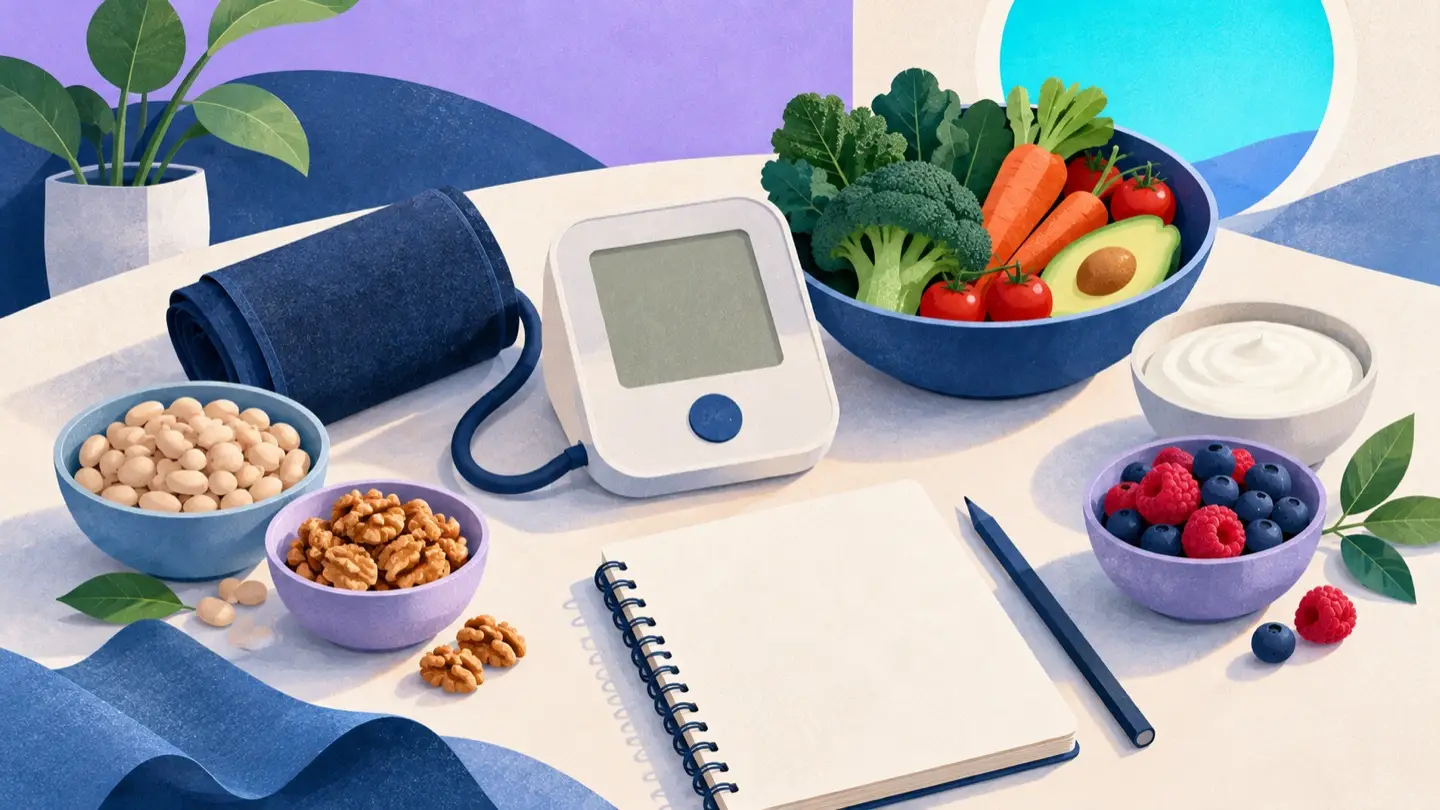
3. **Monitoring**: Regularly check your blood sugar to see the positive impact of your new habits.
If you find it difficult to manage your glucose levels despite dietary changes, visit the Nutrition Department at Sidra Family Hospital. Our experts provide personalized guidance tailored to your cultural preferences and medical history.
Frequently Asked Questions
What brings down blood sugar immediately?
While diet is a long-term solution, drinking plenty of water and engaging in a 15-minute brisk walk can help lower blood sugar relatively quickly by increasing insulin sensitivity.
How does Breadless fit into a Type 2 Diabetes meal plan?
Breadless options, such as using large lettuce leaves or “supergreen” wraps instead of traditional buns or tortillas, are excellent ways to reduce carbohydrate intake while keeping meals portable and satisfying.
Can I meal prep for a family with different dietary needs?
Yes! The Mix-and-Match approach allows you to customize individual portions. You can add extra healthy fats or larger grain portions for family members who do not have diabetes while keeping your portion focused on non-starchy vegetables.
Conclusion
At Sidra Family Hospital, your wellness is our priority. By mastering meal prep for Type 2 Diabetes, you are taking a proactive step toward a healthier, more vibrant life for yourself and your loved ones. Let us support your journey with the compassionate, expert care your family deserves.