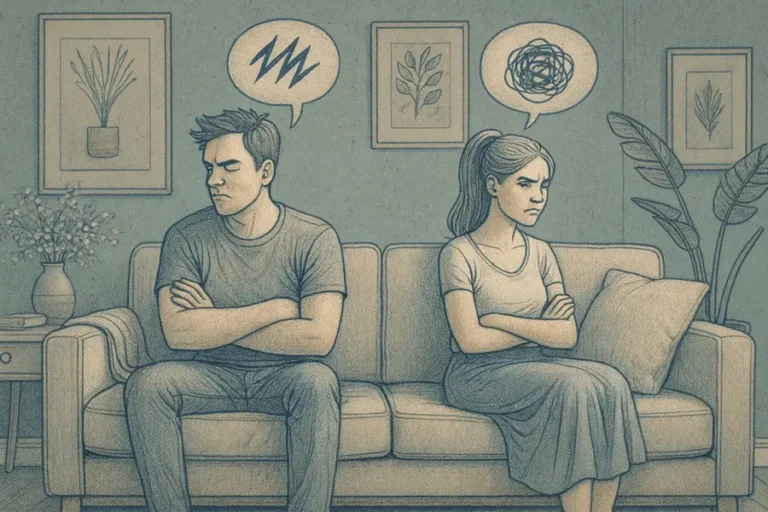

How Can You Tell You Are Depressed?

At Sidra Family Hospital, we understand that mental well-being is paramount for every family. Depression is far more than just feeling sad; it’s a serious medical condition that profoundly impacts your emotions, thoughts, and daily life. Recognizing the subtle and overt signs of depression is the crucial first step toward healing and reclaiming your joy.
Many people mistakenly believe depression is a weakness or a mood that will simply pass, but this misconception can delay much-needed support. We are committed to fostering emotional health and recovery for you and your loved ones in a safe, understanding, and family-first environment.
The Translation: Understanding Depression Beyond Sadness
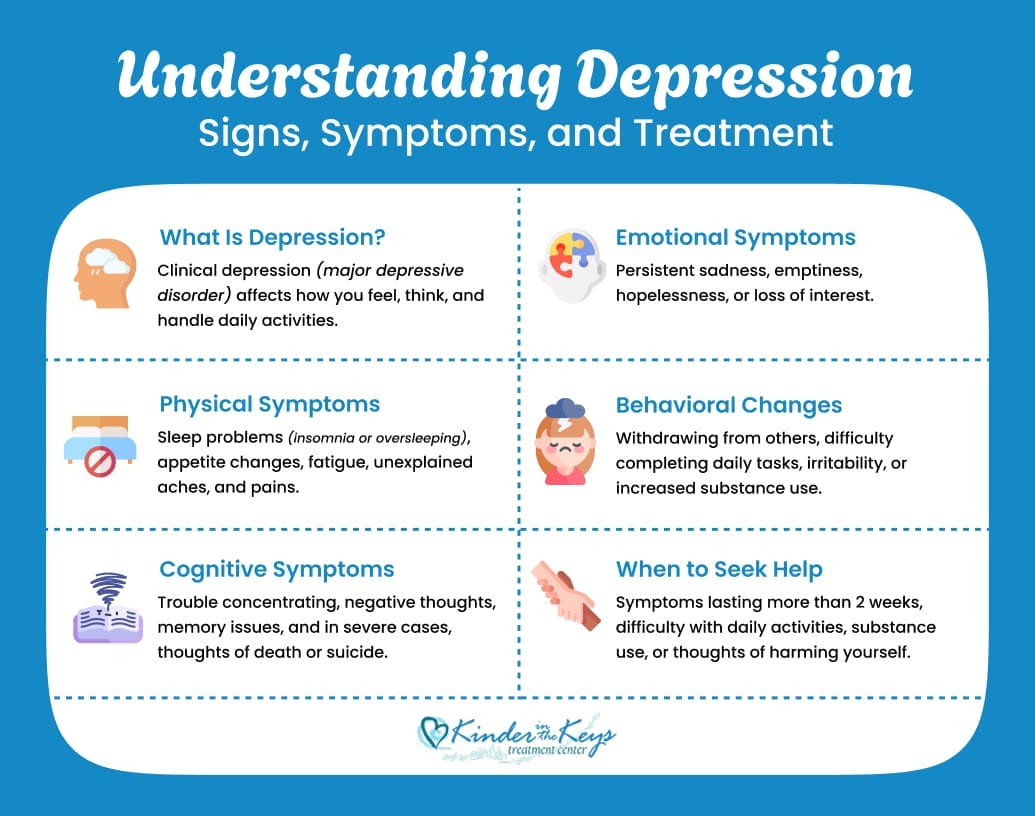
Depression, clinically known as Major Depressive Disorder, is a mood disorder characterized by a persistent feeling of sadness and a loss of interest or pleasure in activities once enjoyed. Unlike fleeting sadness, depressive symptoms last for at least two weeks and significantly interfere with daily functioning. It affects millions worldwide, cutting across all age groups and backgrounds. This complex condition alters brain chemistry, affecting how you think, feel, and behave. It’s not something you can simply “snap out of.”
Emotional Signs That May Indicate Depression
Emotional signs are often the most recognized indicators. These include deep, pervasive sadness, irritability, feelings of hopelessness or worthlessness, and an inability to experience pleasure (anhedonia). You might find yourself crying more often, or feeling emotionally numb. These feelings can be overwhelming, making simple tasks seem impossible.
Physical Signs Your Body May Be Telling You Something
Your body often sends signals too. Physical signs of depression can manifest as chronic fatigue and a significant loss of energy, even after resting. Sleep patterns frequently change, leading to insomnia or, conversely, excessive sleeping (hypersomnia). Appetite changes are common, resulting in either significant weight loss or gain. Headaches, digestive problems, and generalized aches and pains without a clear medical cause can also be symptoms, as the mind and body are intricately connected.
Behavioral Changes to Notice
Behavioral changes are another critical area to observe. You might withdraw from social interactions, isolating yourself from friends and family. A decreased interest in hobbies or activities you once loved is a hallmark symptom. There might be a noticeable slowing down of movements and speech, or an increase in restless activity like pacing.
How Depression Affects Your Thinking
Difficulty concentrating, remembering details, and making decisions are cognitive symptoms that can affect work or school performance, making everyday tasks feel daunting. You might find yourself dwelling on past failures or excessively worrying about the future, often accompanied by negative thought patterns that are hard to break.
The Socio-Economic Impact: Depression in the Pakistani Family Context
In many communities, including Pakistan, mental health conditions like depression often carry a significant stigma. This stigma can prevent individuals and families from openly discussing their struggles or seeking professional help, fearing judgment or misunderstanding. Within the family-first framework prevalent in Pakistani culture, one person’s depression can ripple through the entire household.

The economic impact can be profound. A person struggling with depression may experience decreased productivity at work or school, potentially leading to job loss or academic decline. This can put immense financial strain on families, especially if the individual is a primary earner. The emotional toll on family members, particularly caregivers, is also substantial. They may experience stress, anxiety, and a sense of helplessness, impacting their own well-being and relationships.
Moreover, the societal pressure to maintain appearances and suppress emotional difficulties can exacerbate the condition, leading to delayed diagnosis and treatment. This cultural context underscores the urgent need for increased awareness, destigmatization, and accessible mental healthcare services that are sensitive to local values and family dynamics. Sidra Family Hospital understands these unique challenges and strives to provide a supportive environment where mental health is treated with the same importance as physical health.
The Forward Path: Seeking Help and Finding Hope at Sidra Family Hospital
Recognizing the signs is only the first step; taking action is the next. It is crucial to seek professional help if you or a loved one experiences several of these symptoms for more than two weeks, or if thoughts of self-harm or suicide arise. Early intervention significantly improves treatment outcomes and can prevent the condition from worsening. At Sidra Family Hospital, we encourage open dialogue about mental health, assuring you that seeking help is a sign of strength, not weakness.

When Should You Seek Help?
If depressive symptoms are persistent, interfere with your daily life, or cause significant distress, it’s time to reach out. Waiting too long can make recovery more challenging. Our hospital is equipped to provide immediate and confidential support.
Getting a Diagnosis
Getting a diagnosis typically involves a comprehensive evaluation by a mental health professional. This process includes a thorough discussion of your symptoms, medical history, and current life situation. It is a confidential and empathetic space where you can share your experiences without fear of judgment. Our experts are trained to differentiate depression from normal sadness or other medical conditions that might mimic its symptoms.
Treatment Options That Can Help
Effective treatment options are available and can be tailored to individual needs. These often include psychotherapy (talk therapy), medication, or a combination of both. Therapies such as Cognitive Behavioral Therapy (CBT) can help you identify and change negative thought patterns, while Interpersonal Therapy (IPT) focuses on improving relationships and social functioning. Antidepressant medications can help balance brain chemicals, alleviating symptoms. Our compassionate Psychiatry Department offers expert guidance, accurate diagnosis, and personalized treatment plans to support your journey to recovery. We prioritize your well-being, ensuring a holistic approach that considers your physical, emotional, and social health.
Understanding That Recovery Is Possible
Recovery from depression is not only possible but also a journey many successfully complete. It requires patience, commitment, and the right support system. Sidra Family Hospital is dedicated to empowering individuals and families to navigate these challenges, offering continuous care and fostering resilience. Remember, you are not alone, and a brighter, healthier future is within reach. We are here to help you every step of the way.