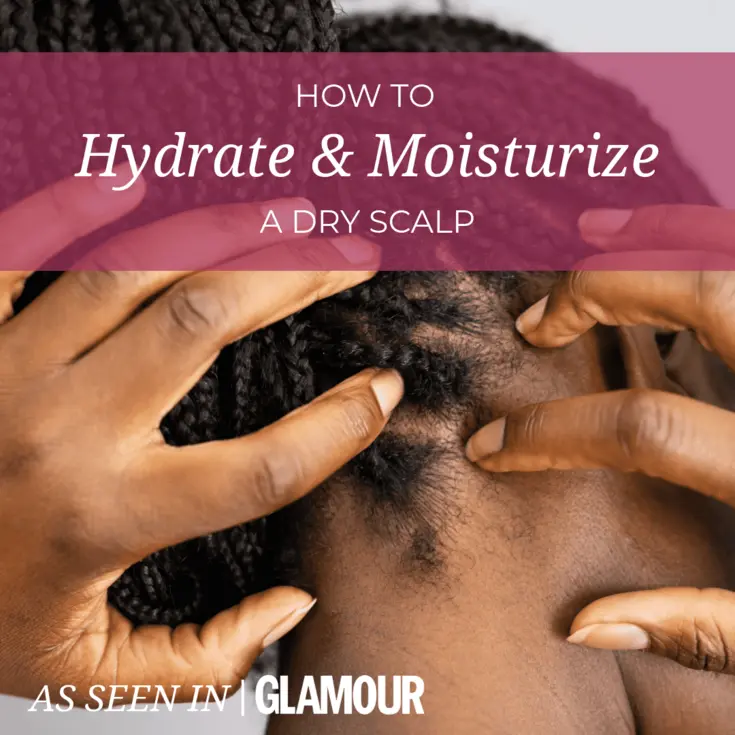
How to Hydrate and Moisturize a Dry Scalp: A Family Guide to Scalp Health
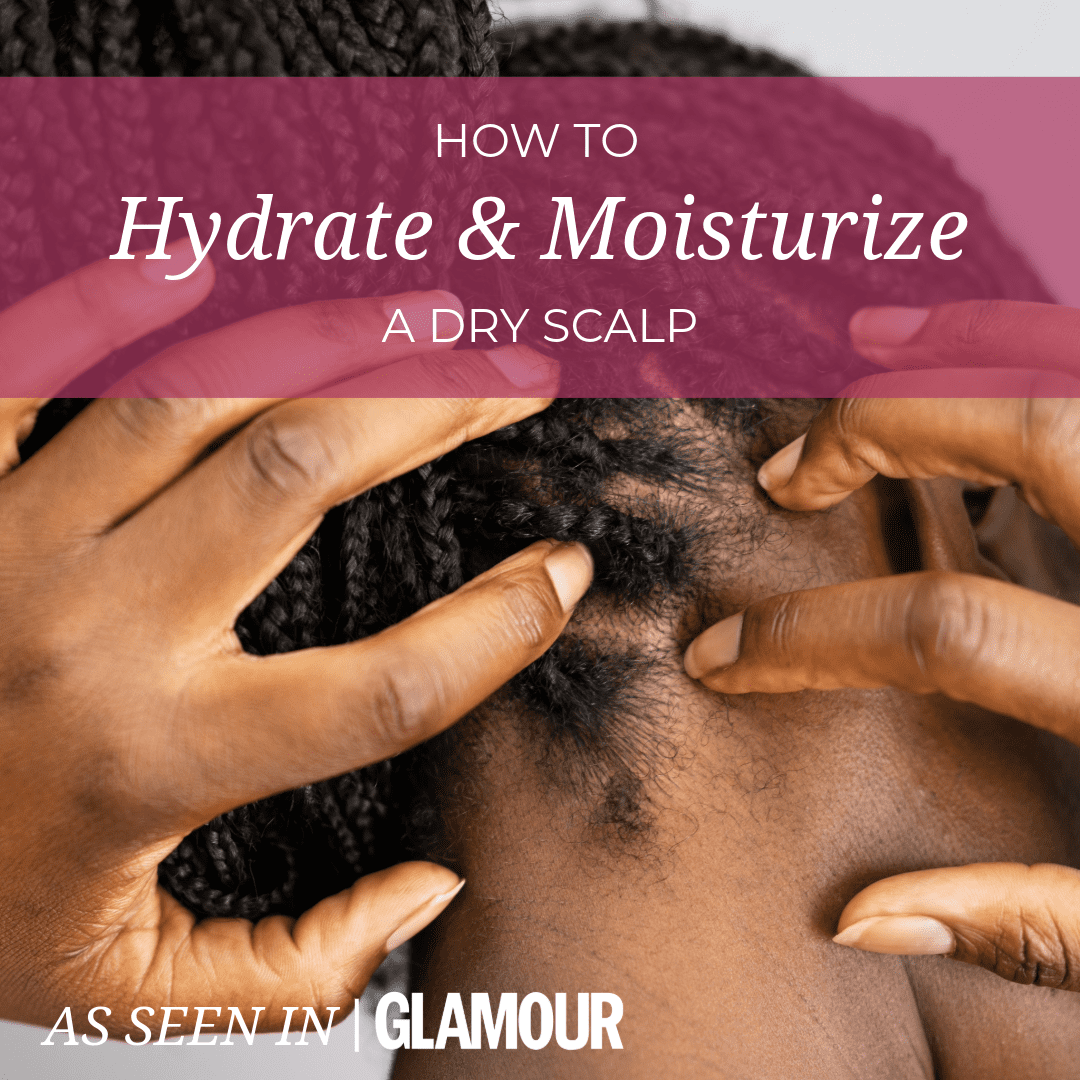
Maintaining a healthy scalp is about more than just avoiding an occasional itch; it is a vital component of your family’s overall dermatological well-being. At Sidra Family Hospital, we often see patients who mistake a dry scalp for simple dandruff, leading to incorrect treatments that further irritate the skin.
Understanding how to hydrate and moisturize a dry scalp effectively can restore your skin’s natural barrier, boost hair health, and improve your daily comfort. This guide explores the medical foundations of scalp care and provides actionable steps for Pakistani families.
The Translation: Understanding Dry Scalp in Simple Terms
Medical professionals view the scalp as an extension of your facial skin. A dry scalp occurs when the skin loses too much moisture or fails to produce enough sebum (natural oils). This creates a “compromised skin barrier.”
When this barrier is weak, moisture escapes (Transepidermal Water Loss), and irritants enter more easily. Unlike dandruff, which is often caused by an overgrowth of fungus and excess oil, a dry scalp feels tight, looks flaky, and often reacts painfully to hot water or harsh chemicals.

How Do You Get Rid of a Dry Scalp?
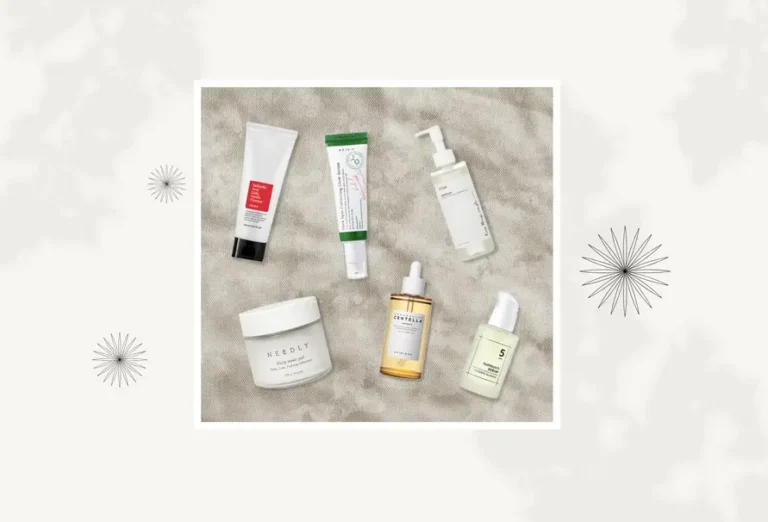
To effectively moisturize a dry scalp, you must address both internal hydration and external protection. Transitioning to sulfate-free shampoos is the first clinical recommendation. Sulfates are harsh detergents that strip away the very oils your scalp needs to stay resilient.
We recommend looking for ingredients like aloe vera, oat extract, or urea. These act as humectants, drawing moisture into the skin cells. Additionally, the temperature of your shower matters. While a hot shower feels relaxing, it melts away the scalp’s protective lipid layer. Always use lukewarm water to preserve natural hydration.
The Socio-Economic Impact: Scalp Health in Pakistan
In the local Pakistani context, environmental factors play a massive role in scalp health. High levels of dust, urban pollution, and varying water quality—often “hard water” rich in minerals—can severely dehydrate the scalp. For many families, these environmental stressors lead to chronic irritation.
Beyond the physical discomfort, a dry, flaky scalp carries a social burden. In a culture that values well-groomed appearances, visible flaking can lead to decreased confidence in social and professional settings. For children, scalp irritation can lead to secondary infections from scratching, resulting in missed school days and additional medical expenses. Investing in proactive scalp care at Sidra Family Hospital is an investment in your family’s confidence and long-term health.
Can You Moisturize the Scalp Naturally?
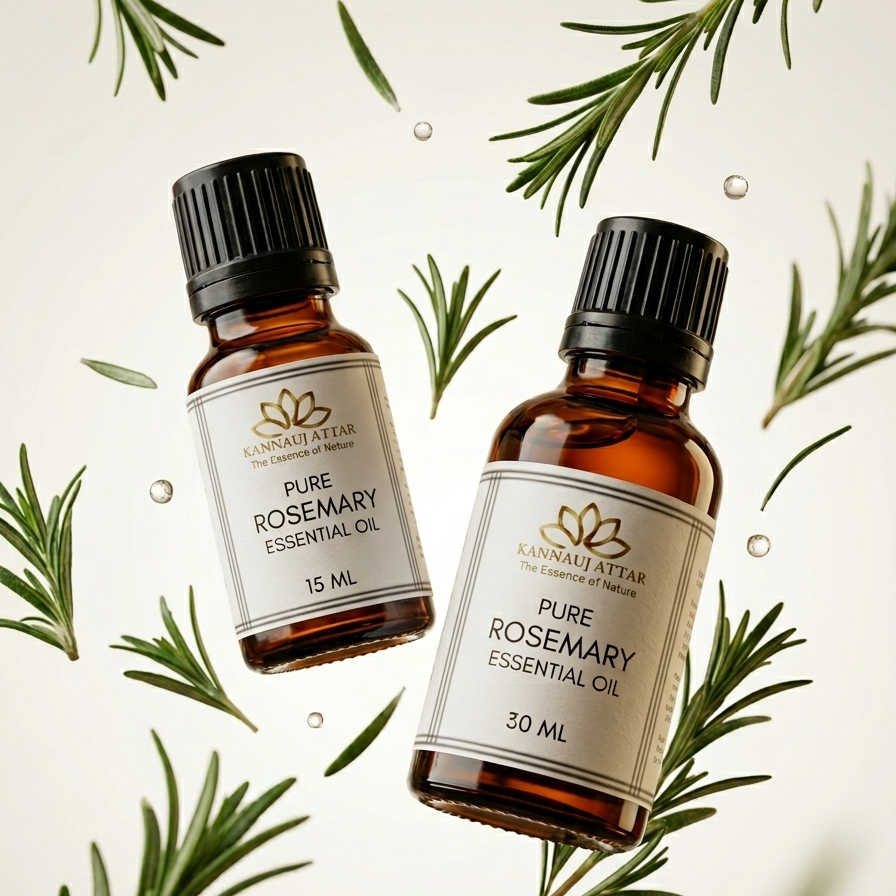
Natural remedies can be highly effective when used correctly. Oils like jojoba and coconut are excellent occlusives, meaning they lock in existing moisture. Jojoba oil is particularly beneficial because its chemical structure closely mimics human sebum.
However, hydration must also come from within. Our dermatologists emphasize the importance of a diet rich in Omega-3 fatty acids, found in walnuts and flaxseeds, which are readily available in local markets. Staying hydrated by drinking sufficient water throughout the day ensures that your skin cells have the resources they need to remain plump and healthy.
The Forward Path: Prevention and When to See a Doctor
The journey to a healthy scalp begins with consistent, gentle care. Here are the steps to follow:
- Exfoliate Gently: Once a week, use a soft scalp brush to remove dead skin cells without scratching.
- Check Your Products: Avoid alcohols and artificial fragrances that can trigger contact dermatitis.
- Protect from the Sun: Just like your face, your scalp can get sunburnt, leading to extreme dryness.
If you notice persistent redness, crusting, or if the itching prevents sleep, it is time to visit the Dermatology Department at Sidra Family Hospital. Conditions like seborrheic dermatitis or scalp psoriasis require professional diagnosis and medicated treatments that go beyond over-the-counter moisturizers.
At Sidra Family Hospital, we are committed to providing evidence-based care for every member of your family. From pediatric scalp checks to adult hair restoration, our experts are here to ensure your skin remains your strongest shield. Trust us to help you hydrate and moisturize a dry scalp for lasting health.