How to Improve Fertility with PCOS: A Comprehensive Family Guide
How to Improve Fertility with PCOS: A Family-First Medical Guide
Polycystic Ovary Syndrome (PCOS) is one of the most common hormonal disorders, affecting approximately 1 in 10 women of reproductive age worldwide. For many families, a PCOS diagnosis brings concerns about future fertility and long-term health.
At Sidra Family Hospital, we view PCOS not just as a medical condition, but as a journey we navigate together with your family. By understanding the link between hormones, insulin, and lifestyle, you can effectively improve fertility with PCOS and lead a vibrant, healthy life.
The Translation: Understanding PCOS in Simple Terms
To improve fertility with PCOS, we must first understand what is happening inside the body. PCOS is essentially a hormonal “miscommunication.” In a typical cycle, the brain and ovaries send signals to release an egg (ovulation). In women with PCOS, these signals are disrupted by higher-than-normal levels of androgens (male-type hormones).
This disruption often leads to the development of many small, fluid-filled sacs—known as follicles—on the ovaries. Because the eggs are not released regularly, it becomes difficult to conceive. This is often fueled by insulin resistance, a condition where the body’s cells don’t respond well to insulin, causing the pancreas to produce more, which further triggers the ovaries to produce excess hormones.
Early Signs: Tracking PCOS from Adolescence
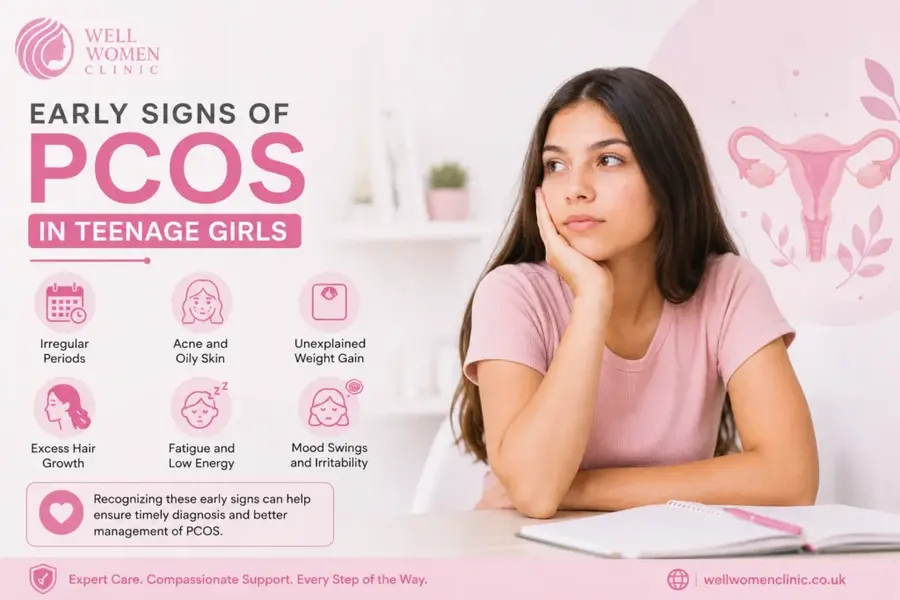
Early recognition is the cornerstone of effective management. Many women only discover they have PCOS when they struggle to conceive, but the signs often begin during the teenage years. Recognizing these early warning signs can help young women protect their future reproductive health.
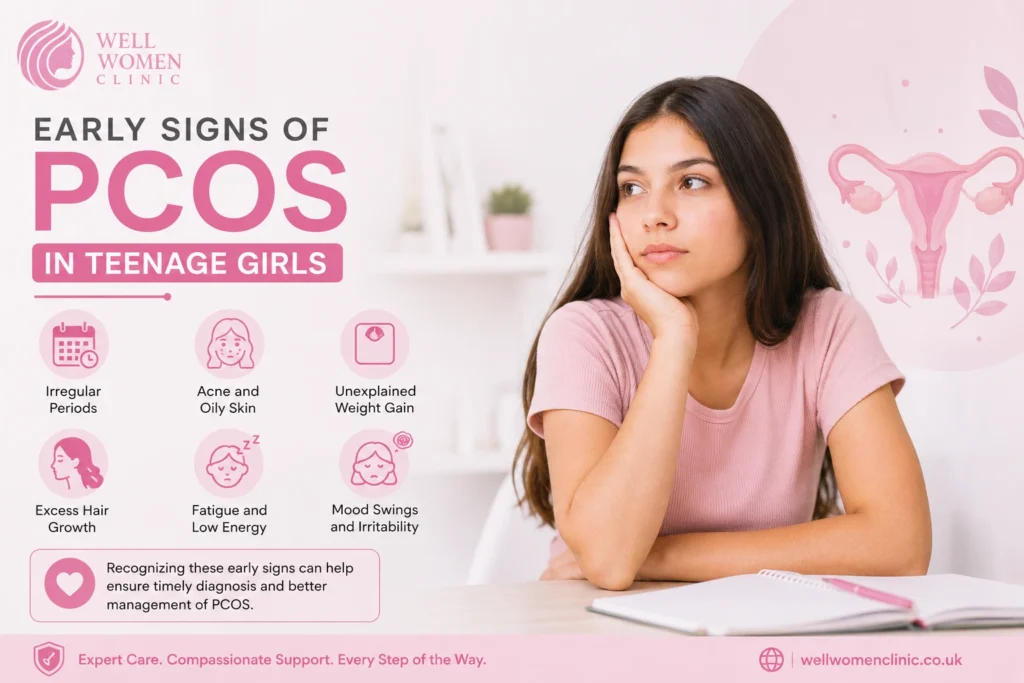
Parents should watch for persistent irregular or missed periods beyond two years after the first cycle. Other indicators include severe cystic acne that doesn’t respond to standard treatments, unwanted hair growth on the face or chest (hirsutism), and dark patches of skin around the neck or armpits (acanthosis nigricans). Identifying these symptoms early allows our Gynecology Department to intervene with lifestyle plans that balance hormones before fertility becomes an immediate goal.
The PCOS Diet: Eating to Improve Fertility
Nutrition is the most powerful tool a woman has to manage her symptoms. To improve fertility with PCOS, the goal of a diet is to stabilize blood sugar and reduce inflammation. High insulin levels are a major barrier to ovulation; therefore, choosing the right foods is essential.

We recommend a diet rich in high-fiber whole grains, such as oats and brown rice, which prevent insulin spikes. Lean proteins like chicken, fish, and legumes provide sustained energy and support muscle mass. Additionally, anti-inflammatory foods—including leafy greens, berries, and turmeric—can help soothe the internal inflammation that often accompanies PCOS. Reducing the intake of refined sugars and processed “junk” foods is not just about weight loss; it is about creating a hormonal environment where your body can ovulate naturally.
Managing Prediabetes and Insulin Resistance
For many women, PCOS and prediabetes go hand-in-hand. When the body struggles to process glucose, it creates a cycle of weight gain and hormonal imbalance. At Sidra Family Hospital, we emphasize that prediabetes is a vital warning sign, not a permanent diagnosis.
Reversing prediabetes is a critical step to improve fertility with PCOS. Simple changes—such as prioritizing seven to eight hours of quality sleep, reducing portion sizes, and incorporating regular physical activity—significantly lower blood glucose levels. When insulin levels are controlled, the hormonal “chatter” quiets down, often allowing the menstrual cycle to return to its natural rhythm.
The Socio-Economic Impact: The Pakistani Context
In Pakistan, the diagnosis of PCOS often carries a heavy emotional and social weight. There is a significant cultural emphasis on motherhood and family building. For unmarried girls, a PCOS diagnosis can sometimes lead to anxiety regarding future marriage prospects and the perceived “stigma” of infertility.
This socio-economic pressure makes early diagnosis even more critical. Families may delay seeking help due to a lack of awareness or fear of the diagnosis. However, at Sidra Family Hospital, we aim to break this cycle by providing compassionate, discreet, and expert care. By addressing PCOS early, we can reassure families that with the right management, women can lead healthy lives and achieve their dreams of starting a family when the time is right.
The Forward Path: Steps to Take Today
If you or your daughter are experiencing symptoms of PCOS, the path forward starts with a proactive approach. Here is how you can begin to improve fertility with PCOS today:
- Track Your Cycle: Use an app or a diary to record menstrual dates and symptoms.
- Consult a Specialist: Visit the Gynecology Department at Sidra Family Hospital for a comprehensive evaluation, including blood tests and ultrasounds.
- Adopt a Balanced Plate: Focus on fiber, protein, and healthy fats while minimizing sugar.
- Movement as Medicine: Aim for 30 minutes of moderate exercise, such as brisk walking, at least five days a week.
- Mental Wellness: Stress can exacerbate hormonal imbalances. Prioritize self-care and family support.
PCOS is a complex condition, but it is manageable. With the expertise of our Nutrition and Gynecology departments, we provide the personalized wellness plans you need. Let our family care for yours as you take the steps to improve fertility with PCOS and secure a healthier future.
FAQs: Common Questions About PCOS
Can I still get pregnant if I have PCOS?
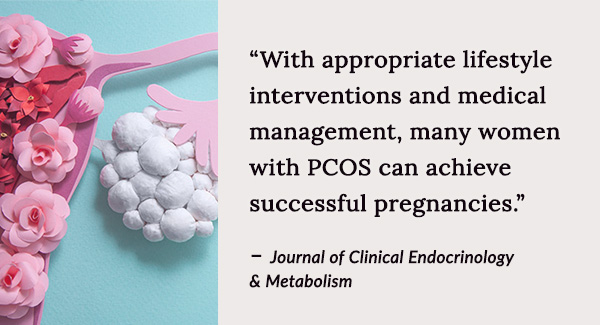
Yes. While PCOS makes natural conception more challenging, many women get pregnant successfully through lifestyle changes, medication to induce ovulation, or other fertility treatments.
Is PCOS a lifelong condition?
PCOS is a chronic condition, but its symptoms can be effectively managed and even put into “remission” through consistent diet and lifestyle choices.
When should I see a doctor at Sidra Family Hospital?
You should consult a specialist if you have fewer than eight periods a year, excessive facial hair growth, or if you have been trying to conceive for over a year (or six months if over age 35) without success.