Kidneys Made Easy: Why Renal Ultrasound is Your First Line of Defense
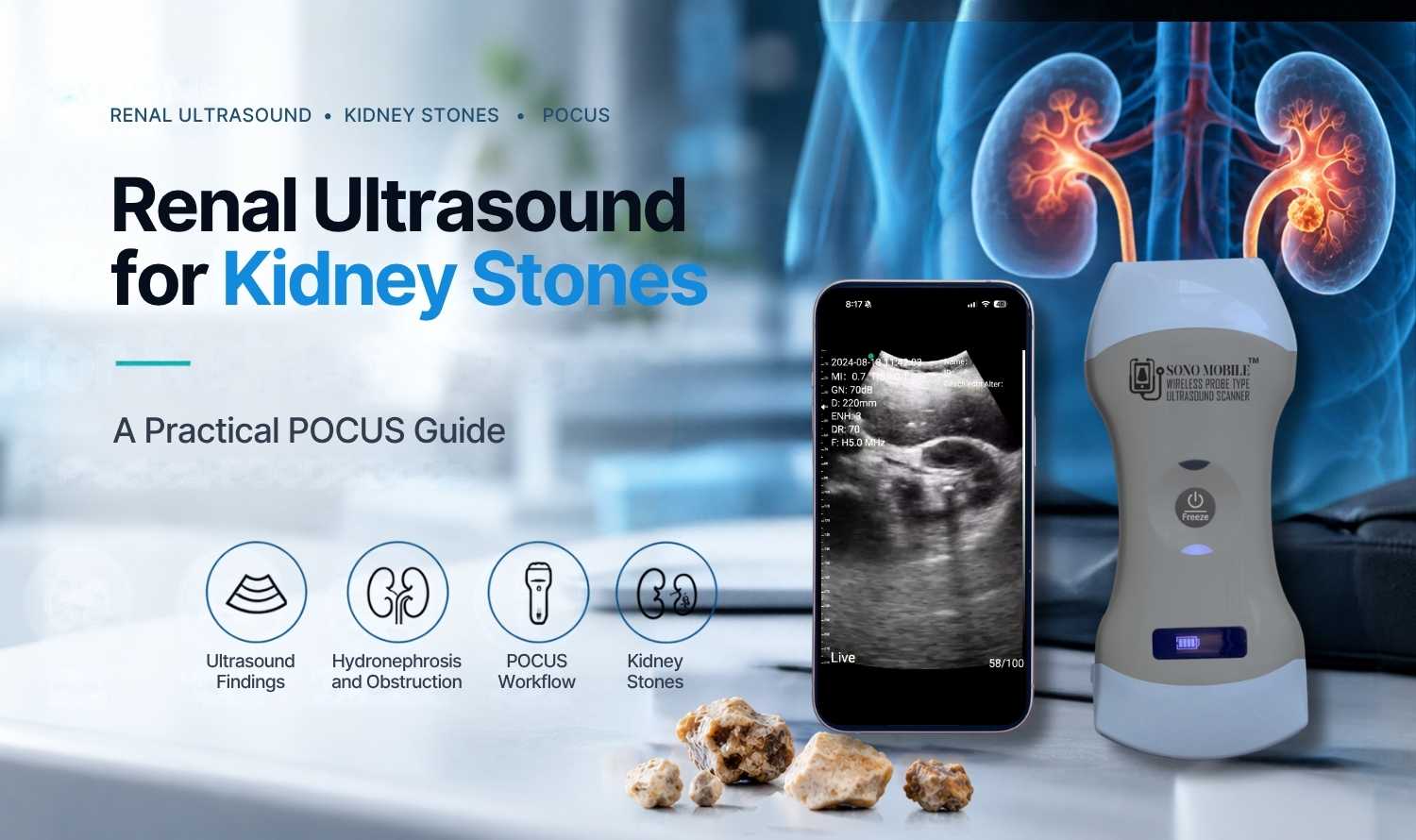
Kidney stones can cause sudden, intense pain that disrupts your life and causes immense worry for your family. Understanding how these stones are detected and managed is the first step toward recovery. At Sidra Family Hospital, we prioritize advanced, radiation-free diagnostics to ensure your long-term renal well-being.
What is a Renal Ultrasound?
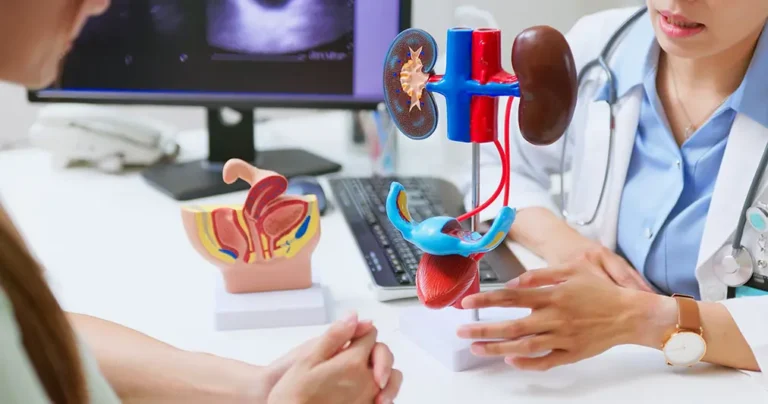
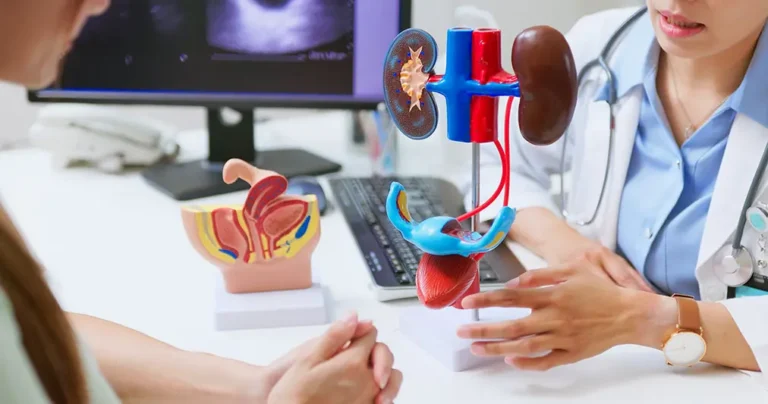
A Renal Ultrasound is a non-invasive diagnostic test that uses high-frequency sound waves to create images of your kidneys and bladder. Unlike CT scans, it does not use ionizing radiation, making it the safest choice for children, pregnant women, and patients requiring frequent monitoring.
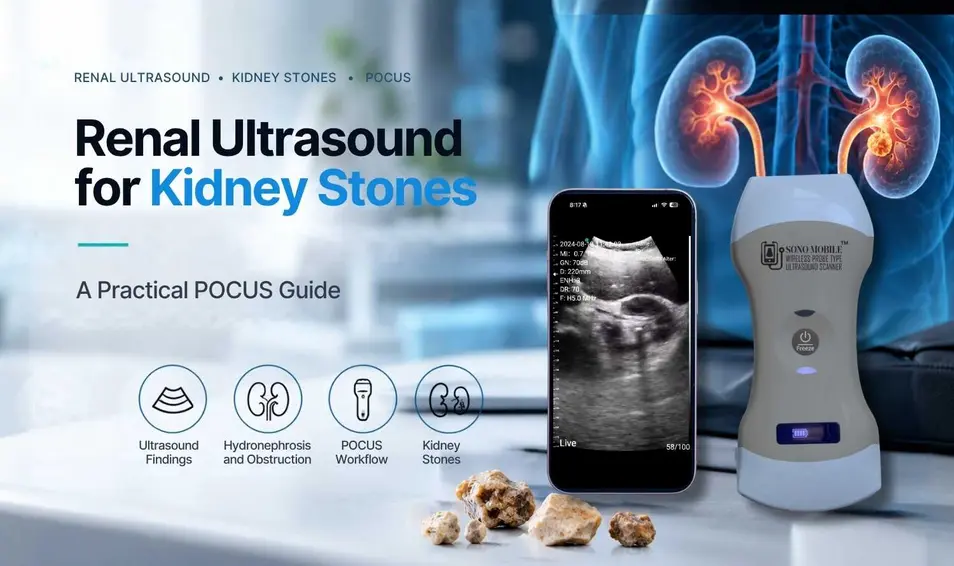
During a Renal Ultrasound, a handheld device called a transducer is moved over your skin. It sends sound waves into the body, which bounce off the kidneys and return as echoes, forming a real-time picture on a monitor. This allows our urology team to see the size, shape, and location of your kidneys instantly.
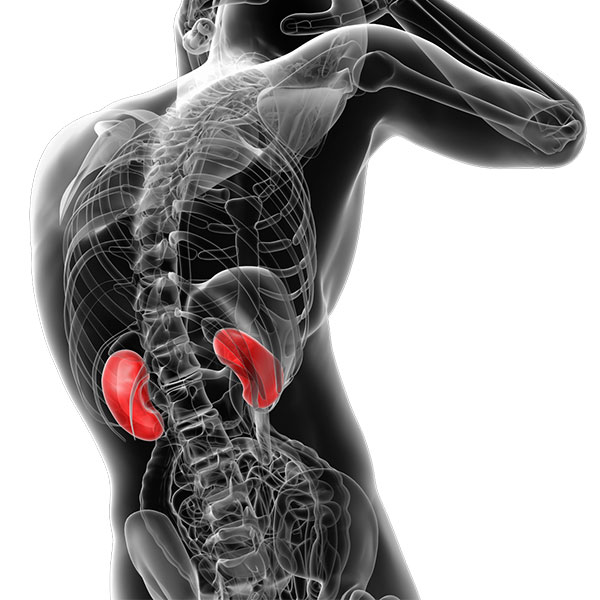
The Translation: Medical Terms Made Simple
In the medical world, doctors use specific terms that can sound intimidating. “The Translation” is our way of making sure you understand exactly what is happening inside your body. When we perform a Renal Ultrasound, we look for “Calculi,” which is simply the medical term for kidney stones.
Another common finding is “Hydronephrosis.” This sounds complex, but it simply means the kidney is swollen because urine flow is being blocked, usually by a stone. By identifying “Echogenic Focus” (bright spots on the screen) and “Posterior Acoustic Shadowing” (dark areas behind a stone), our specialists can confirm the presence of stones with high precision.

The Socio-Economic Impact in Pakistan
In the local Pakistani context, kidney disease and stones represent a significant health burden. Our hot climate and regional dietary habits—often high in salts and oxalates—contribute to a higher incidence of “Stone Belt” related issues. For many families, the cost of late-stage surgical intervention can be devastating.
Choosing a Renal Ultrasound as an early diagnostic tool is not just a health decision; it is an economic one. Early detection through Point-of-Care Ultrasound (POCUS) prevents the need for expensive emergency surgeries and long hospital stays. By catching stones while they are small, we can often manage them through hydration and medication, keeping the breadwinners of the family healthy and productive.
Ultrasound vs CT: Choosing the Right Path
While CT scans are highly detailed, they expose the patient to radiation. For many patients at Sidra Family Hospital, a Renal Ultrasound provides all the necessary information to begin treatment without that risk. It is portable, faster, and allows for immediate bedside results.
Common Ultrasound Findings
- Twinkling Artifact: A color Doppler signal that helps identify small stones that might otherwise be missed.
- Hydronephrosis: Checking for kidney swelling to see if a stone is causing an obstruction.
- Bladder Evaluation: Ensuring the stone hasn’t moved into the lower urinary tract.
The Forward Path: Prevention and Care
Preventing kidney stones starts with simple lifestyle changes. The most critical step is staying hydrated. In our region, drinking at least 2-3 liters of water daily is essential to flush out the minerals that form stones. Reducing salt intake and balancing your diet can also significantly lower your risk.

If you experience sharp flank pain, blood in your urine, or persistent nausea, do not wait. Visit Sidra Family Hospital for a comprehensive evaluation. Our specialized Urology and Nephrology departments integrate clinical history with Renal Ultrasound findings to create a personalized care plan for your family.
Renal Ultrasound for Kidney Stones: FAQ
Is the procedure painful?
No, a Renal Ultrasound is completely painless. It only involves a cool gel and a plastic probe moving over your skin.
How long does the scan take?
Typically, the scan takes between 15 to 30 minutes, and results are often discussed with you immediately during the consultation.
Do I need to prepare for the ultrasound?
In some cases, we may ask you to drink water before the test so your bladder is full, which helps provide clearer images of the lower urinary tract.
At Sidra Family Hospital, we are committed to providing compassionate, expert care. Your family’s comfort and long-term renal health are our top priorities. Trust our team to guide you through every step of your kidney health journey.