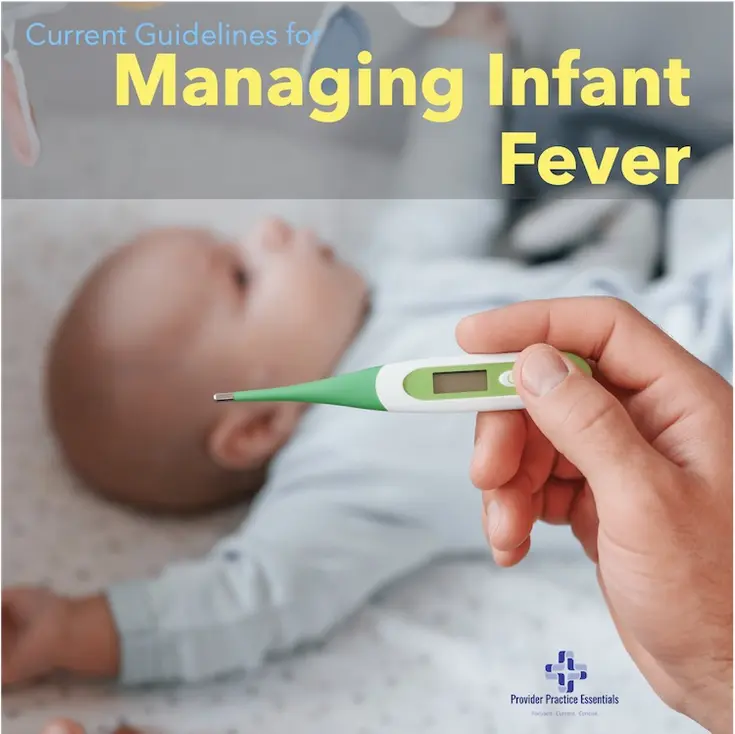
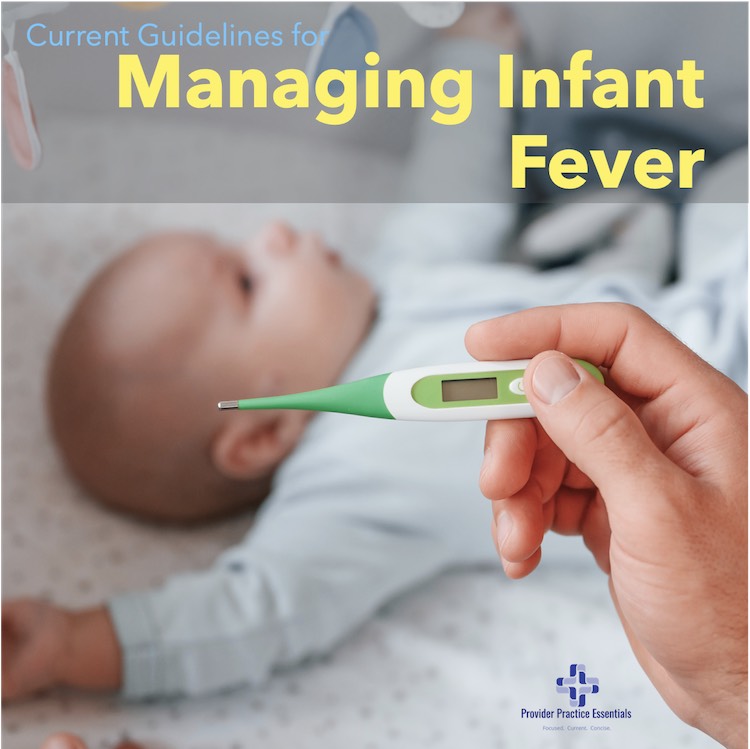
Managing Infant Fever: Current Guidelines and Antibiotic Recommendations
At Sidra Family Hospital, your child’s health is our absolute priority. A fever in infants can be a source of significant worry for parents, and understanding when to seek urgent medical care is crucial. Our dedicated Pediatric Department provides compassionate, specialized care and guidance, ensuring your little one receives the best possible support, especially in infant fever management.
We are committed to empowering families with the knowledge needed to make informed decisions about their children’s health. This article will guide you through current guidelines for assessing and managing infant fever, including when antibiotics might be necessary. Effective infant fever management is vital for preventing serious complications.
The Translation: Understanding Infant Fever
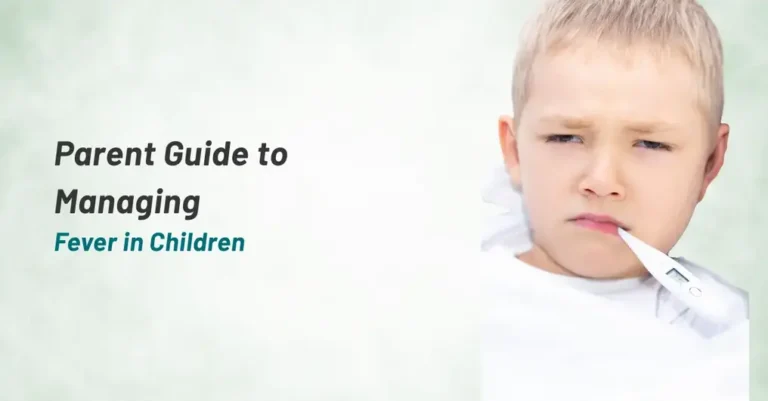
A fever is the body’s natural response to an infection or illness. While often a sign that the immune system is working, in infants, especially very young ones, a fever can signal something more serious. It’s essential to measure an infant’s temperature rectally for the most accurate reading. Understanding these nuances is the first step in proper infant fever management.
What Temperature is Too High for Infants?
For newborns (0-28 days old), a rectal temperature of 100.4°F (38°C) or higher always requires immediate medical evaluation and often hospitalization. This is due to their underdeveloped immune systems and the high risk of serious bacterial infections (SBIs). This critical early recognition is a cornerstone of responsible infant fever management.
If your infant is between 29 days and 3 months old and has a rectal temperature of 100.4°F (38°C) or more, a thorough medical assessment is also needed. While SBIs are less common than in newborns, they are still a significant concern, and careful evaluation by a pediatrician is paramount for effective infant fever management in this age group.
For older infants and children, fevers are more commonly viral and can often be managed at home with symptom relief. However, certain warning signs still warrant medical attention, which we will discuss below.
Causes of Infant Fever
Fevers in infants can be caused by various factors, including viral infections (like the common cold or flu), bacterial infections (such as urinary tract infections or pneumonia), and sometimes even immunizations. Differentiating between these causes is critical, as bacterial infections often require specific antibiotic treatments. Our pediatricians excel in diagnosing these conditions for optimal infant fever management.
The Role of Latest Guidelines in Infant Fever Management
Sidra Family Hospital’s pediatric team adheres to the latest global guidelines, including those from organizations like the American Academy of Pediatrics (AAP). These guidelines help our doctors assess the risk of serious bacterial infections (IBI) in febrile infants, ensuring a precise approach to infant fever management. For example, infants aged 8-21 days with fever often require hospital care and thorough testing, including a lumbar puncture, to rule out severe infections. Infants 22-60 days old may sometimes be managed at home with close monitoring if initial laboratory results are reassuring, highlighting our commitment to individualized, evidence-based care.

The Socio-Economic Impact: Infant Fever in the Pakistani Context
Managing infant fever presents unique challenges for families in Pakistan, touching upon socio-economic factors that can impact a child’s health outcomes. Access to timely and appropriate medical care, financial constraints, and prevailing cultural beliefs often play a significant role.
Many families, particularly in rural or low-income areas, might delay seeking professional medical attention due to distance from healthcare facilities, transportation costs, or reliance on traditional home remedies. This delay can have severe consequences, as serious bacterial infections in infants can progress rapidly, leading to complications that are more difficult and costly to treat. This underscores the importance of public health initiatives and accessible healthcare for effective infant fever management.
Sidra Family Hospital understands these challenges. We strive to make specialized pediatric care accessible and affordable, ensuring that every family, regardless of their background, can receive the best possible treatment for their child. Our aim is to alleviate the financial and emotional burden by providing prompt and effective interventions, preventing conditions from worsening and requiring more extensive, expensive treatments. Our holistic approach encompasses not just medical treatment but also community support in infant fever management.
The Forward Path: Practical Steps and When to Visit Sidra Family Hospital
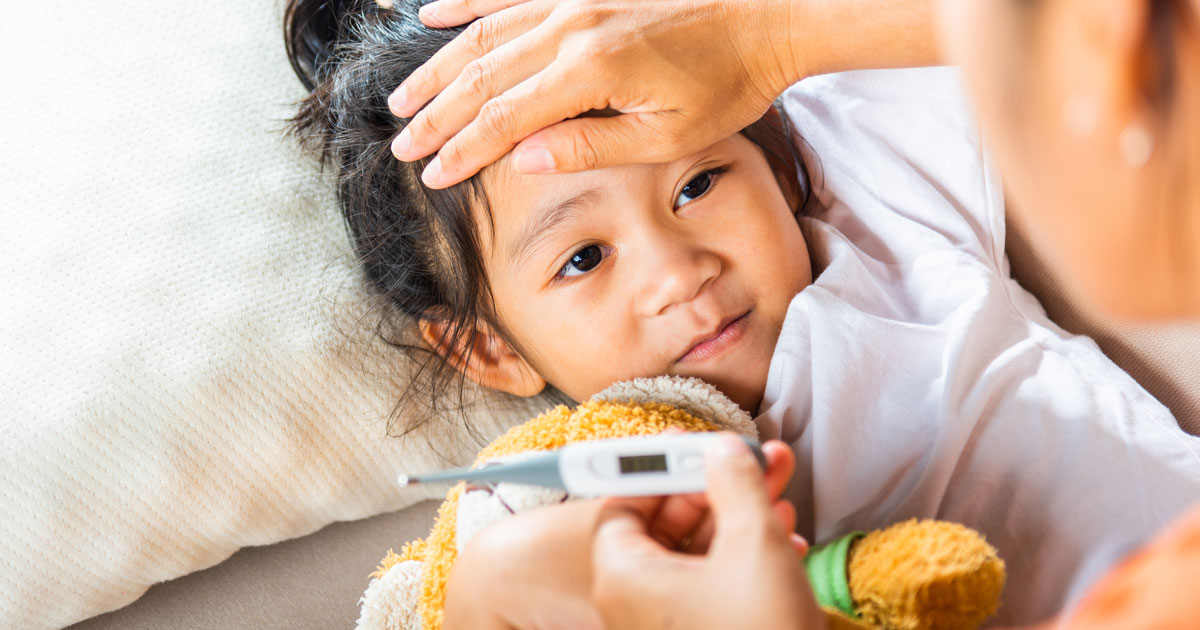
Empowering parents with knowledge is key to managing infant fever effectively. Knowing what actions to take and when to seek professional help can make all the difference in your child’s recovery. This section provides actionable advice for proactive infant fever management.
Home Care Tips for Mild Fevers (for older infants/children)
For older infants where fever is not an immediate emergency, you can help your child feel more comfortable:
- Hydration: Offer plenty of fluids. For infants, this means frequent breastfeeding or formula feeding. For older babies, oral rehydration solutions are excellent for preventing dehydration, especially if there’s vomiting or diarrhea. Offer small, frequent sips – a teaspoon every 5-10 minutes can be effective. Proper hydration is a simple yet crucial aspect of infant fever management at home.
- Comfort: Dress your child in light clothing to help regulate body temperature. Keep the room cool and comfortable.
- Rest: Encourage rest. The body needs energy to fight off infection.
- Fever Reducers: Under your pediatrician’s guidance, you may use infant acetaminophen (Tylenol) or ibuprofen (Motrin) for babies over six months. Always ensure correct dosing based on weight and age.
When to Seek Medical Attention Immediately for Infant Fever
While home care can be effective for mild fevers in older infants, certain situations demand immediate medical evaluation at Sidra Family Hospital for comprehensive infant fever management:
- Any infant 0-3 months old with a rectal temperature of 100.4°F (38°C) or higher. Do not hesitate; seek immediate medical attention.
- Fever lasting more than 24 hours in infants under 2 years old, or over 3 days in older children.
- High fever (e.g., above 104°F or 40°C) in any child, regardless of age.
- Signs of dehydration: No tears, significantly fewer wet diapers (less than 4-6 wet diapers in 24 hours), dry mouth, sunken soft spot (fontanelle) on the head, lethargy, or extreme fussiness.
- Other concerning symptoms: Difficulty breathing, persistent vomiting or diarrhea, a rapidly spreading rash, stiff neck, seizures, or unusual lethargy/irritability.

Antibiotic Recommendations at Sidra Family Hospital for Infant Fever Management
Antibiotics are only effective against bacterial infections, not viral ones. Our doctors follow strict guidelines to determine when antibiotics are necessary, preventing antibiotic resistance and ensuring the best outcome for your child. This precise approach is central to our infant fever management protocols.
Empiric Antibiotic Therapy for Neonates (0-28 days):
Due to the high risk of serious bacterial infections, neonates with fever are typically admitted to the hospital. Empiric therapy often involves a combination of antibiotics that cover a broad spectrum of potential pathogens while waiting for culture results. Common choices might include ampicillin plus gentamicin or cefotaxime, tailored to the specific situation and local resistance patterns, ensuring optimal infant fever management from the start.
Empiric Antibiotic Therapy for Infants (29 days to 3 months):
For infants in this age group, the approach depends on their overall appearance and initial test results. Those who appear toxic or have abnormal lab findings will likely receive empiric IV antibiotics such as ceftriaxone or cefotaxime, often after blood, urine, and sometimes cerebrospinal fluid cultures are obtained. In some carefully selected cases of well-appearing infants with normal inflammatory markers, close outpatient monitoring may be an option, but this is always decided in close consultation with parents and under strict follow-up. This nuanced approach highlights our commitment to advanced infant fever management.
Our commitment at Sidra Family Hospital is to provide precise, patient-centered care. We prioritize shared decision-making, ensuring that every step of your child’s treatment plan is discussed and understood by your family. Trust our Pediatrics department for comprehensive, compassionate care, providing peace of mind and swift recovery for your child. We are your trusted partners in infant fever management.
Conclusion
Managing infant fever requires vigilance, knowledge, and timely medical intervention. By understanding the critical age-based guidelines and knowing when to seek professional help, you can protect your child’s health. At Sidra Family Hospital, our expert pediatric team is always ready to provide the highest standard of care, ensuring your precious little one receives compassionate support and the most effective treatment possible. We are your partners in promoting a healthy, thriving family through superior infant fever management.