Massage for Colic Pain: Gentle Relief for Your Little One at Sidra Family Hospital

Massage for Colic Pain: Gentle Relief for Your Little One at Sidra Family Hospital
Witnessing your baby’s discomfort from colic can be one of the most challenging experiences for new parents. At Sidra Family Hospital, we understand this distress. While infant colic is a common, often temporary phase, your baby’s inconsolable crying profoundly impacts the family. Our compassionate approach focuses on holistic well-being, and gentle massage for colic pain stands out as a powerful, loving tool. It provides relief, comfort, and strengthens the precious bond between you and your child.
This comprehensive guide will walk you through understanding colic, explain why gentle massage for colic pain is so effective, provide step-by-step techniques, and discuss how Sidra Family Hospital supports families navigating this journey. We are dedicated to ensuring your little one receives compassionate and effective care for a peaceful start in life.
Understanding Colic: The Translation
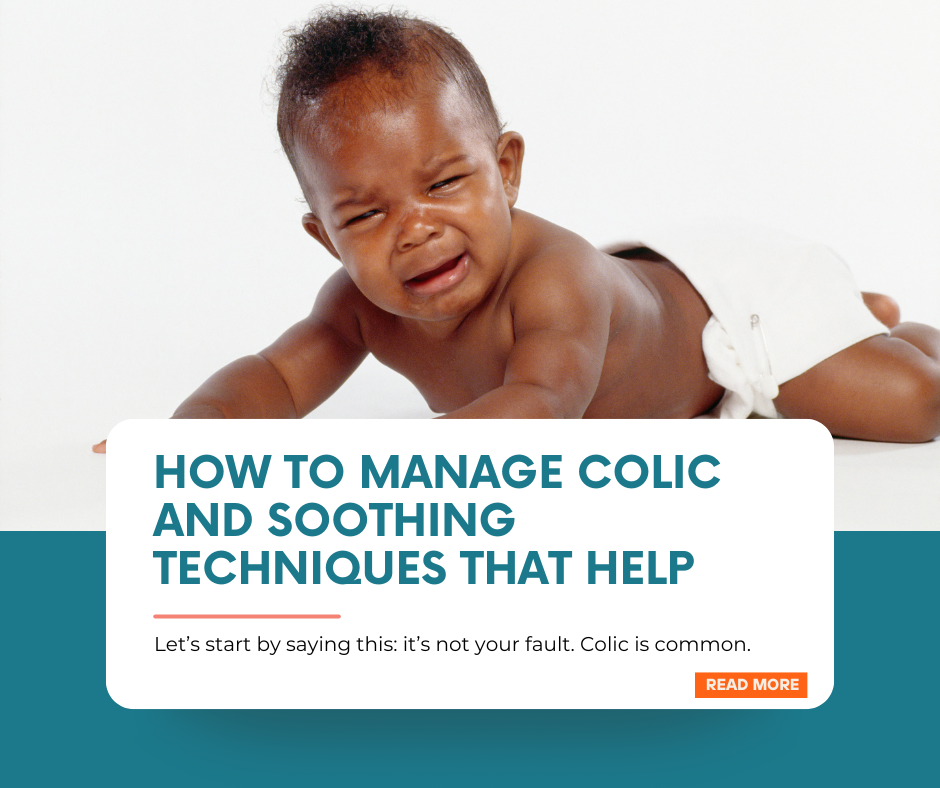
Colic is characterized by frequent, prolonged, and intense crying or fussiness in an otherwise healthy infant. It typically begins a few weeks after birth, peaks around 6-8 weeks, and often resolves by 3-4 months of age. While the exact cause remains somewhat mysterious, it’s frequently linked to an immature digestive system, trapped gas, feeding issues, or an overstimulated nervous system.
Diagnosing colic usually involves the “Rule of 3s”: your baby cries for more than three hours a day, at least three days a week, for more than three weeks. These crying spells often occur in the late afternoon or evening. Your baby may pull their legs up to their belly, clench their fists, and appear to be in pain, even if they are otherwise healthy and gaining weight.
It’s crucial for parents to remember that colic is not a reflection of your parenting. It’s a developmental phase many infants go through. Your loving efforts to soothe your baby are invaluable, and understanding that this period is temporary can provide significant comfort and resilience.
The Healing Power of Touch: Why Massage Helps with Colic Pain
Gentle infant massage for colic pain offers a profound, natural way to alleviate symptoms and enhance your baby’s overall well-being. The benefits extend beyond physical relief, fostering emotional connection and promoting relaxation for both parent and child. Massage stimulates the digestive system, helping to move trapped gas and ease abdominal discomfort, a common culprit in colic pain.
Beyond gas relief, the rhythmic, soothing strokes of massage can help regulate your baby’s nervous system, calming them during periods of intense fussiness. The skin-to-skin contact and focused attention during a massage session also release oxytocin, promoting feelings of attachment, trust, and well-being in both parent and baby. This transforms a moment of distress into an opportunity for deep bonding.
Regular massage can also improve sleep patterns, reduce crying episodes, and enhance a baby’s weight gain by aiding digestion and nutrient absorption. It provides a structured, gentle interaction that builds confidence in new parents as they learn to understand their baby’s cues better.
Step-by-Step Massage Techniques for Your Baby’s Colic Pain
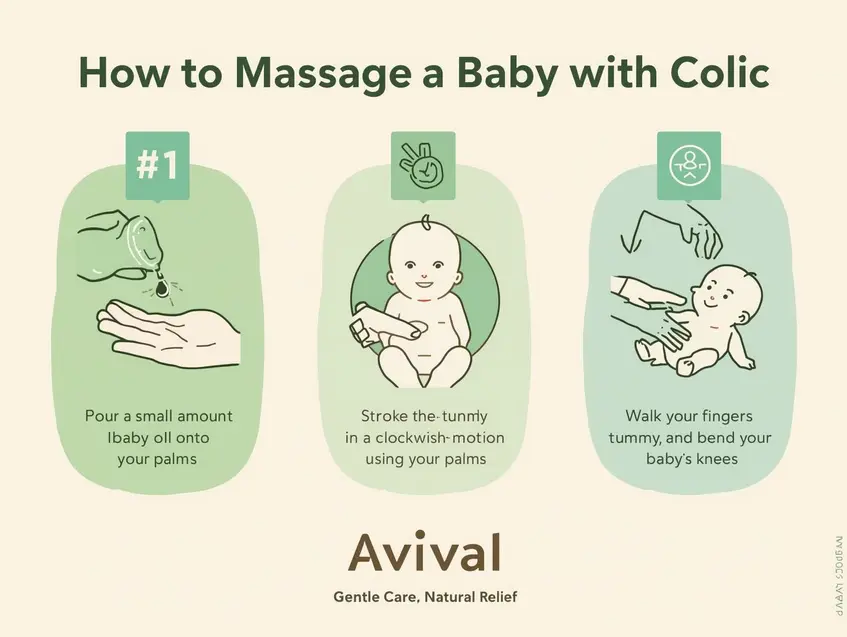
Before you begin, ensure your baby is awake and alert, not too hungry or too full. Choose a warm, quiet environment, and lay your baby on a soft blanket or towel. Use a natural, unscented, edible oil, like pure almond oil or coconut oil, if desired, to reduce friction on their delicate skin.
Preparing for the Massage
Warm your hands by rubbing them together, and place a small amount of oil on your palms. Speak softly to your baby, maintaining eye contact, and ask permission to begin. This simple gesture respects their autonomy and signals that a calming interaction is about to occur.
The Tummy Stroke
Start with gentle strokes over your baby’s abdomen. Using your fingertips, gently make small, circular motions clockwise around the navel. This direction follows the natural path of digestion. Apply very light pressure, just enough to feel the skin, and watch your baby’s cues for comfort, ensuring the massage helps with their colic pain.
The “I Love U” Technique for Colic Relief
This popular technique specifically targets gas relief, often a major contributor to colic pain. Imagine drawing the letters I, L, and U on your baby’s tummy:
- I: Starting on the left side of your baby’s tummy (your left), stroke downwards from the ribs to the hip in a straight line. This helps gas move down the descending colon.
- L: Next, stroke across the upper abdomen from your right to your left, then down the left side, forming an inverted “L.” This covers the transverse and descending colon.
- U: Finally, stroke up from the right hip, across the upper abdomen, and down to the left hip, creating an inverted “U.” This addresses the ascending, transverse, and descending colon, pushing gas along the entire pathway.
Repeat each stroke gently 3-5 times, always observing your baby’s response. This method is incredibly effective for aiding digestion and relieving trapped wind, directly addressing sources of colic pain.
Gentle Leg Movements for Gas Release
After the tummy massage, gently hold your baby’s ankles and bend their knees towards their chest, then straighten their legs. This “bicycle legs” motion can further help release gas and promote bowel movements, easing abdominal discomfort. Alternatively, gently press both knees up towards the tummy and hold for a few seconds before releasing. This gentle compression can be very effective in reducing colic pain.
The Socio-Economic Impact in Pakistan: Navigating Colic as a Family
In Pakistan, a new baby’s arrival is a joyous occasion, often celebrated with extensive family involvement. However, when an infant experiences colic, the entire family system can feel its impact. The constant, inconsolable crying of a colicky baby can lead to significant emotional and psychological distress for parents, particularly mothers, who often bear primary responsibility for infant care. Sleep deprivation becomes acute, exacerbating feelings of anxiety, frustration, and even guilt, as parents question their ability to soothe their child.
Within Pakistan’s close-knit family structures, there can be immense pressure and advice from elders, which, while well-intentioned, can sometimes add to a new mother’s stress if remedies don’t work. The financial strain can also be a concern. Parents might spend money on various remedies, formulas, or consultations in hopes of finding a solution for their baby’s colic pain, sometimes without expert guidance. This can be particularly burdensome for families with limited resources.
Sidra Family Hospital recognizes these unique challenges. We advocate for accessible, safe, and effective methods like gentle infant massage for colic pain, which not only provides physical relief but also empowers parents with a tangible way to comfort their baby. It fosters a sense of agency and reduces feelings of helplessness. By supporting parents through education and practical techniques, we aim to mitigate the socio-economic and emotional burdens associated with colic, promoting resilience and well-being for the entire family unit in our community.

The Forward Path: Practical Steps and When to Seek Professional Guidance
Integrating massage for colic pain into your baby’s daily routine can become a cherished ritual. Consistency is key, even if it’s just for a few minutes each day. Consider performing the massage during a calm period, perhaps after a bath or before bedtime, to signal relaxation and aid sleep. Combining massage with other soothing practices, such as swaddling, gentle rocking, or a warm bath, can further enhance its effectiveness.
Integrating Massage into Daily Life
Creating a predictable routine helps your baby feel secure and anticipate comforting moments. This can be a morning ritual to stimulate digestion, or an evening practice to calm them before sleep. The regularity itself contributes to a sense of peace and order for both you and your infant, reducing overall stress and helping manage colic pain.
Complementary Soothing Techniques
Beyond massage, several other methods can complement your efforts to soothe a colicky baby. The “5 S’s” — swaddling, side/stomach position, shushing, swinging, and sucking (pacifier or breast) — are widely recognized for their calming effects. Ensuring proper feeding techniques, whether breastfeeding latch or bottle-feeding posture, and frequent burping are also vital in preventing gas buildup that can contribute to colic pain.
When to Visit Sidra Family Hospital
While gentle massage for colic pain is a wonderful first line of defense, it’s essential to recognize when professional medical guidance is needed. Contact Sidra Family Hospital’s Pediatrics department immediately if your baby exhibits any of the following symptoms:
- Fever (especially if 100.4°F/38°C or higher for infants under 3 months)
- Forceful or projectile vomiting
- Blood in the stool or significant changes in stool consistency
- Persistent, inconsolable crying that does not respond to any soothing efforts for prolonged periods
- Signs of dehydration (fewer wet diapers, sunken soft spot)
- Poor feeding or weight loss
- Unusual lethargy or floppiness
Our expert pediatric specialists at Sidra Family Hospital are here to provide comprehensive care. We can help differentiate colic from other underlying medical conditions, offer personalized feeding plans, and discuss supportive options such as specific formulas or, if appropriate, natural digestive aids like Pepazym oral drops, always under professional guidance. Our dedicated team is committed to guiding your family through these early stages with compassionate expertise, ensuring your baby thrives in a safe, nurturing environment.
Your Family’s Partner in Care
At Sidra Family Hospital, we believe in empowering parents with the knowledge and tools to care for their little ones with confidence. Colic is a temporary challenge, and with gentle techniques like massage for colic pain and the unwavering support of our Pediatrics department, you and your baby can navigate this phase successfully. Remember, you are not alone on this journey. We are with you every step of the way, dedicated to nurturing healthy development and bringing peace to your family.