
Maternal Mental Health: Understanding and Overcoming Postpartum Depression
Maternal Mental Health: Understanding and Overcoming Postpartum Depression
The journey into motherhood is often painted with hues of joy and wonder. Yet, for many new mothers, this profound transition can also bring forth unexpected challenges, including overwhelming sadness, anxiety, and a feeling of disconnect. These persistent and profound emotional shifts, extending beyond the transient “baby blues,” may signal postpartum depression (PPD) or postpartum anxiety (PPA).
At Sidra Family Hospital, we believe in nurturing the whole family, and that includes prioritizing the mental and emotional well-being of mothers. Understanding these conditions is the first step toward healing, and our compassionate teams are here to guide you and your loved ones through every step of this journey.
The Translation: What You Need to Know About Postpartum Depression and Anxiety
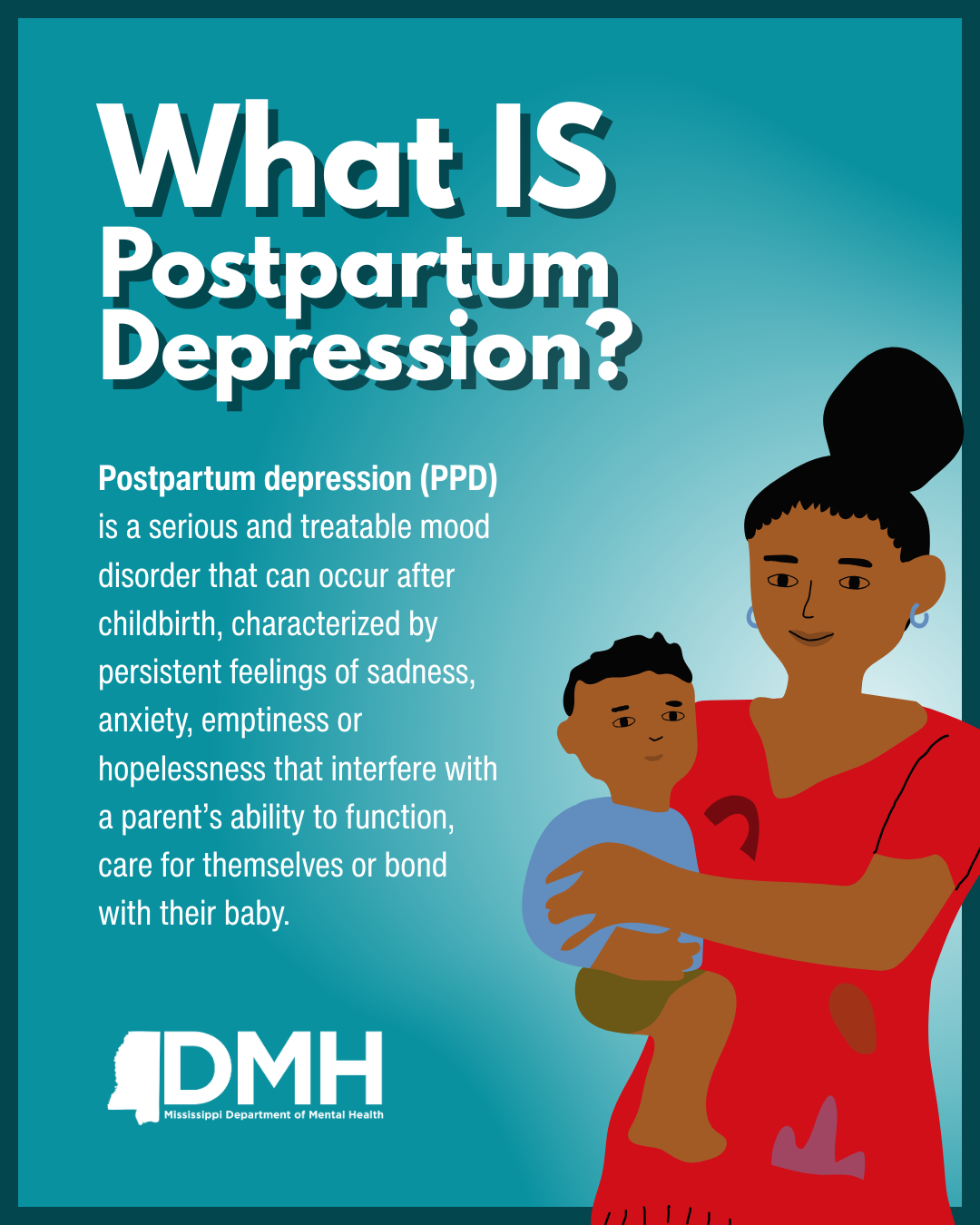
Welcoming a new baby is a monumental life event, bringing immense changes physically, hormonally, and emotionally. While many new mothers experience the “baby blues” — mild mood swings, sadness, and anxiety that typically resolve within two weeks after childbirth — postpartum depression (PPD) is a more severe and prolonged condition. PPD is a common medical condition affecting 1 in 7 mothers, and it requires professional attention, just like any other health issue.
Understanding Postpartum Depression (PPD)
PPD is characterized by intense feelings of sadness, hopelessness, and emptiness that can persist for weeks or months after childbirth. It is not a sign of weakness or a reflection of your love for your baby; it is a treatable medical illness.
Common Signs and Symptoms:
- Persistent sadness, crying spells, or feelings of despair.
- Loss of interest or pleasure in activities you once enjoyed, including spending time with your baby.
- Severe mood swings, irritability, or anger.
- Difficulty bonding with your baby, or feelings of detachment.
- Changes in appetite (eating too much or too little) and sleep patterns (insomnia or excessive sleeping).
- Overwhelming fatigue and loss of energy.
- Feelings of worthlessness, guilt, or inadequacy as a mother.
- Thoughts of harming yourself or your baby (seek immediate help if this occurs).
- Recurrent thoughts of death or suicide.
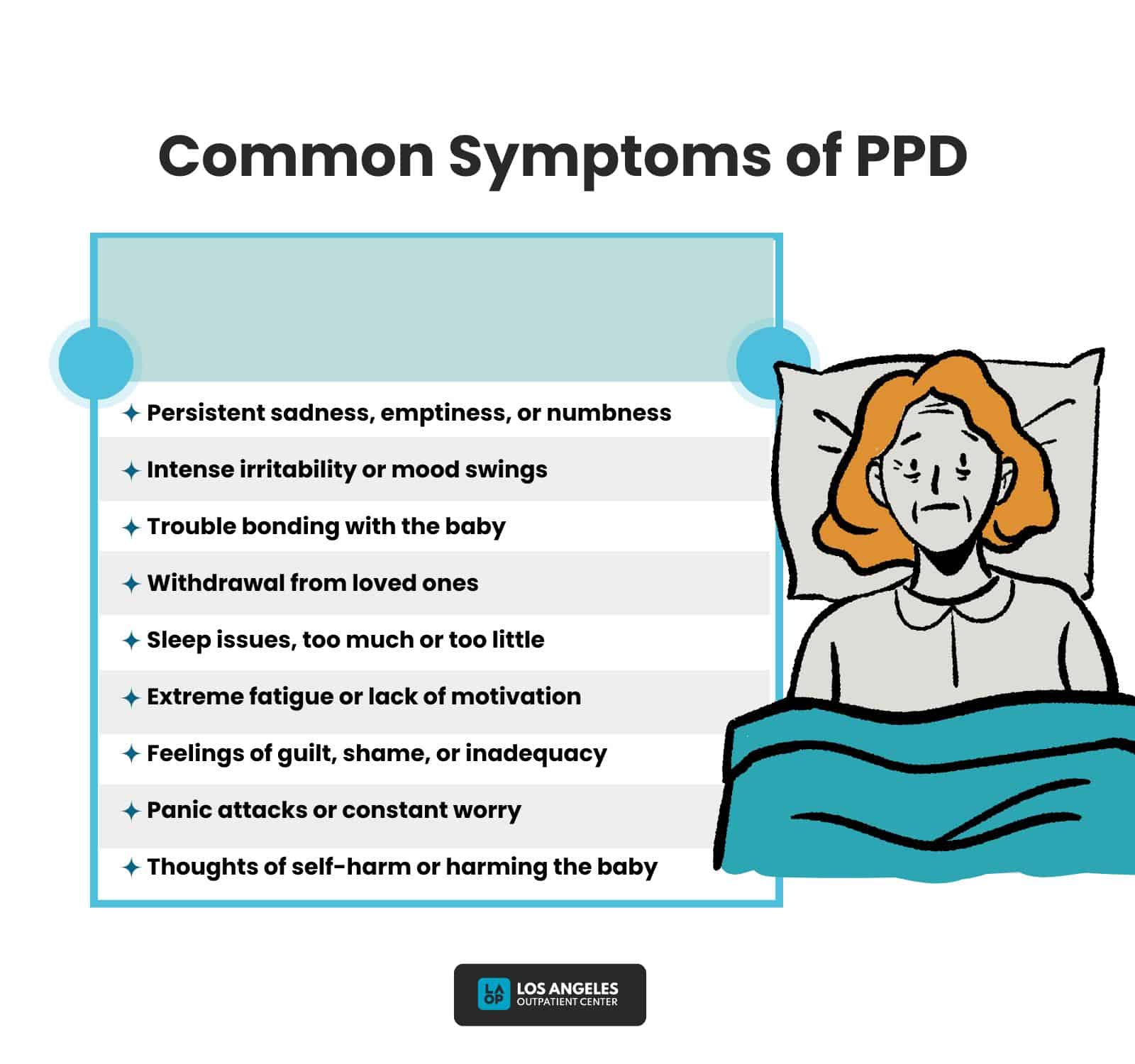
These symptoms can manifest differently for each individual, and their intensity can vary. It’s crucial to remember that acknowledging these feelings is an act of strength.
Beyond PPD: Recognizing Postpartum Anxiety (PPA)
Often co-occurring with PPD, postpartum anxiety (PPA) is also a significant concern. While worry is a natural part of new parenthood, PPA involves excessive, intrusive, and often debilitating anxiety that interferes with daily life.
Lesser-Known Signs of Postpartum Anxiety:
- Postpartum Rage: Unexpected bursts of anger or extreme irritability, often disproportionate to the situation.
- “Tired but Wired” Insomnia: Despite extreme exhaustion, an inability to sleep or relax, often accompanied by racing thoughts.
- Physical Symptoms: Frequent headaches, stomachaches, dizziness, heart palpitations, or shortness of breath without a clear medical cause.
- Rigid Control: An overwhelming need to control every aspect of your baby’s schedule or environment, stemming from intense fear of harm.
- Scary Intrusive Thoughts: Unwanted and disturbing thoughts or images of something bad happening to the baby or yourself.
- Compulsive Checking Behaviors: Repeatedly checking on the baby, locking doors, or performing other rituals to prevent perceived dangers.
- Dissociation or “Zoning Out”: Feeling detached from your body, your baby, or your surroundings.
Recognizing these subtle yet impactful signs is essential for comprehensive maternal mental health care. Both PPD and PPA are treatable, and early intervention significantly improves outcomes.
The Socio-Economic Impact: Maternal Mental Health in the Local Context
In many communities, particularly within the Pakistani context, maternal mental health challenges like PPD and PPA are often misunderstood, stigmatized, or dismissed. This lack of awareness and societal pressure can exacerbate the difficulties new mothers face, creating significant socio-economic repercussions for the entire family unit and broader community.
Cultural and Social Stigma
There is often a cultural expectation for new mothers to be constantly joyful and grateful. Admitting to feelings of sadness or anxiety can be perceived as a failure or a lack of gratitude, leading to immense shame and guilt. This stigma prevents mothers from openly discussing their struggles, seeking help, or even recognizing their symptoms, contributing to underdiagnosis and undertreatment.
Impact on Family Dynamics and Child Development
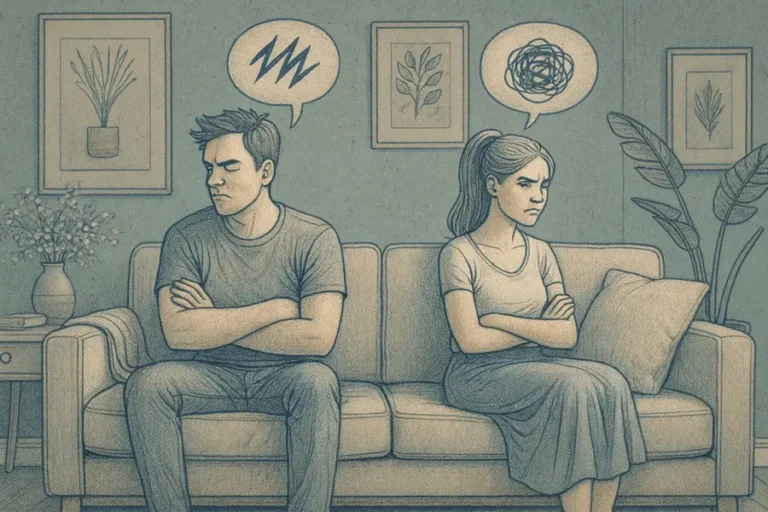
A mother’s mental health is intrinsically linked to the well-being of her family. Untreated PPD or PPA can strain marital relationships, affecting intimacy and communication. It can also impair a mother’s ability to bond with her infant, potentially impacting the child’s emotional, cognitive, and social development. Children of mothers with untreated PPD may face higher risks of developmental delays, behavioral problems, and attachment issues.
Economic Burden
The economic impact of untreated maternal mental health conditions is substantial. It can lead to decreased maternal productivity, lost workdays, and increased healthcare costs associated with both the mother’s and the child’s health. Furthermore, families may incur expenses for alternative childcare if the mother is unable to cope, placing additional financial strain on households that may already be stretched thin.
Access to Care and Support Systems
In some regions, mental health services are scarce, and even when available, may not be culturally sensitive or affordable. While the joint family system can offer significant practical support, it can also sometimes inadvertently create additional pressure or discourage open communication about mental health struggles. Educating extended family members about PPD and PPA is crucial to transform support into genuine understanding and intervention.
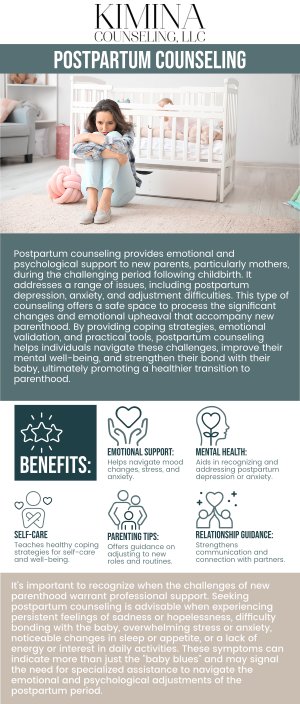
The Forward Path: Practical Steps and When to Visit Sidra Family Hospital
Recognizing the signs of PPD or PPA is the critical first step towards recovery. At Sidra Family Hospital, we advocate for a proactive approach to maternal mental health, emphasizing early intervention and comprehensive support. Remember, seeking help is a sign of immense strength and courage, not weakness.
When to Seek Help
If you experience any symptoms of PPD or PPA that last longer than two weeks, or if your “baby blues” intensify rather than subside, it’s time to reach out. Do not wait for symptoms to become debilitating. Early recognition leads to more effective treatment and a quicker path to wellness.
Diagnosis and Treatment at Sidra Family Hospital
Our compassionate Psychiatry and Gynaecology teams at Sidra Family Hospital work collaboratively to provide holistic care for new mothers. Our approach includes:
- Expert Screenings: We conduct thorough evaluations to accurately diagnose PPD and PPA, differentiating them from other conditions.
- Personalized Therapy: Cognitive Behavioral Therapy (CBT) and Interpersonal Therapy (IPT) are highly effective in helping mothers manage their thoughts and emotions.
- Medication Management: For some mothers, antidepressant or anti-anxiety medications may be recommended to help stabilize mood and reduce symptoms. Our specialists will discuss safe options, especially if you are breastfeeding.
- Support Groups: Connecting with other mothers who share similar experiences can provide invaluable emotional support and reduce feelings of isolation.
- Lifestyle Adjustments: We offer guidance on practical steps like prioritizing sleep (even in short bursts), maintaining a balanced diet, engaging in gentle physical activity, and practicing mindfulness.
How Partners and Loved Ones Can Help
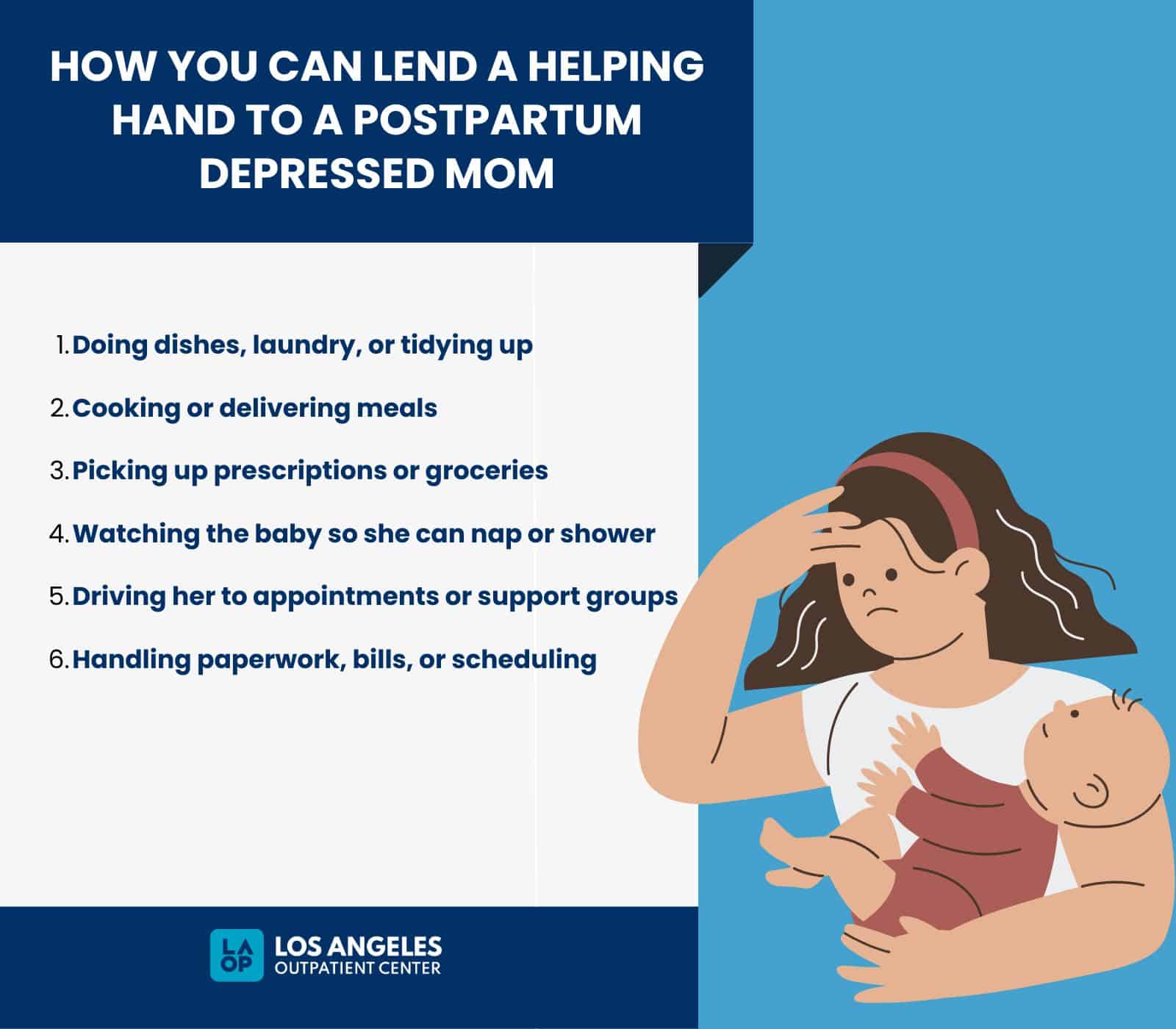
Support from family and friends is paramount. Partners and loved ones can help by:
- Educating themselves about PPD and PPA.
- Offering practical support with baby care, housework, and meals.
- Encouraging the mother to express her feelings without judgment.
- Helping her prioritize self-care.
- Accompanying her to appointments and advocating for her needs.
- Understanding that recovery is a process and offering unwavering patience and empathy.
When to Seek Immediate Help
If you or someone you know experiences thoughts of harming themselves or their baby, please seek immediate professional help. Contact Sidra Family Hospital’s emergency services, a local crisis hotline, or visit the nearest emergency room. Your safety and the safety of your baby are our utmost priority.
Healing Takes Time, But It Is Possible
The journey through postpartum depression or anxiety requires patience, self-compassion, and professional support. At Sidra Family Hospital, we are committed to providing a safe, nurturing environment where you can find healing and rediscover the joy of motherhood. You are not alone, and with our family-centered care, we will help you thrive.
Let’s talk about your postpartum journey. Your family’s health is our priority.