
Pregnancy Nutrition Guide: Nourishing Your Family’s Future at Sidra Family Hospital

Pregnancy Nutrition Guide: Nourishing Your Family’s Future at Sidra Family Hospital
The journey of pregnancy is a truly miraculous experience, a time when your body is working tirelessly to nurture new life. At Sidra Family Hospital, we understand that optimal nutrition forms the cornerstone of this beautiful process, impacting not just your health but also the crucial development of your baby. Eating well during pregnancy is more than just “eating for two”; it’s about making smart, nutrient-dense choices that support every stage of growth, from the earliest weeks of conception through to birth. Our “Family-First” approach ensures you receive the most authoritative and compassionate guidance to navigate your prenatal diet with confidence.
Why Nutrition Matters During Pregnancy
Proper nutrition is paramount during pregnancy because it directly fuels your baby’s rapid development. From the formation of vital organs to the strengthening of bones and the growth of the brain, every bite you take contributes to your child’s future health. A well-balanced diet also supports your own well-being, helping to manage energy levels, reduce common pregnancy discomforts, and prepare your body for childbirth and recovery.
The Nutrients Your Baby Needs Most
Several key nutrients are critical for healthy fetal development. Folate, or folic acid, is essential for preventing neural tube defects, making it vital even before conception. Iron supports the increased blood volume in your body and helps prevent anemia in both mother and baby. Calcium is crucial for building strong bones and teeth, while protein is the fundamental building block for your baby’s tissues and organs. Omega-3 fatty acids, especially DHA, are indispensable for brain and eye development. Vitamin D also plays a significant role in bone health and immune function.
How Your Calorie Needs Change by Trimester
While the idea of “eating for two” might suggest a doubling of food intake, your calorie needs increase gradually and moderately. During the first trimester, most women do not need extra calories. In the second trimester, an additional 340 calories per day is generally recommended. By the third trimester, this increases to about 450 extra calories daily. Focus on nutrient density rather than simply increasing portion sizes. These additional calories should come from healthy, wholesome foods to provide the best fuel for your growing baby.
The Translation: Understanding Optimal Pregnancy Nutrition
Optimal pregnancy nutrition means consciously selecting foods that provide a wide spectrum of essential vitamins, minerals, and macronutrients, while simultaneously avoiding substances that could harm your baby. It’s about empowering your body with the right resources to build a healthy foundation for your child. Think of your plate as a garden, where each component contributes to the flourishing of a new life.
Foods That Support a Healthy Pregnancy
Incorporating a variety of healthful foods ensures you and your baby receive all necessary nutrients. Here’s a breakdown of what to prioritize:
Fruits and Vegetables for Vitamins and Fiber
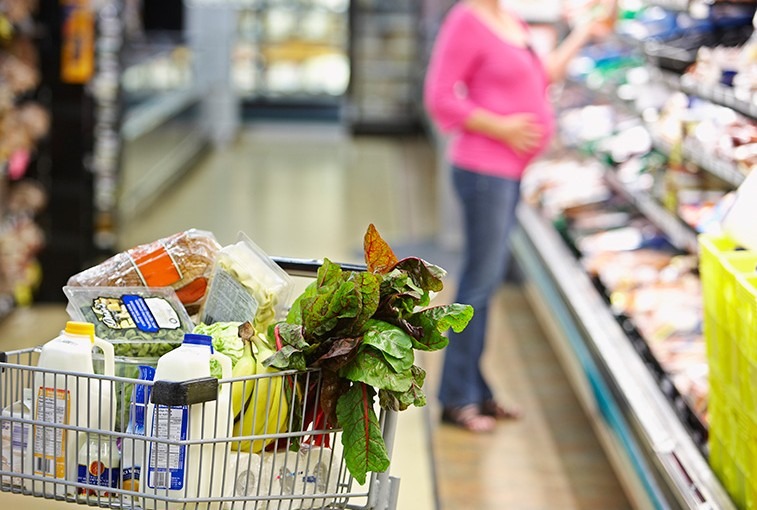
Fresh fruits and vegetables are packed with vitamins, minerals, and dietary fiber. Fiber helps prevent constipation, a common pregnancy complaint. Aim for a rainbow of colors to ensure a broad spectrum of nutrients. Leafy greens like spinach and kale are excellent sources of folate, while oranges provide vitamin C and sweet potatoes offer vitamin A.
Protein Sources for Baby’s Growth
Protein is vital for your baby’s growth and your own tissue repair. Include lean meats (chicken, turkey), fish (low in mercury), eggs, beans, lentils, and nuts in your diet. These provide essential amino acids that are the building blocks of life.
Whole Grains for Sustained Energy
Whole grains like oats, brown rice, whole wheat bread, and quinoa offer complex carbohydrates, providing sustained energy and fiber. They also contain B vitamins, which are important for energy metabolism.
Dairy and Calcium-Rich Alternatives
Calcium is critical for developing your baby’s bones and teeth, and for maintaining your bone health. Opt for low-fat milk, yogurt, and cheese. If you’re lactose intolerant, fortified plant-based milks, tofu, and leafy greens can be excellent alternatives.
Healthy Fats and Omega-3s for Brain Development
Healthy fats are crucial for your baby’s brain and eye development. Look for sources like avocados, nuts, seeds, and olive oil. Fatty fish such as salmon and sardines are rich in DHA and EPA, vital omega-3 fatty acids. If you don’t consume fish, discuss omega-3 supplements with your healthcare provider.
Foods and Drinks to Avoid During Pregnancy
Certain foods and drinks pose risks during pregnancy and should be avoided or consumed in strict moderation:
High-Mercury Fish and Seafood
Limit fish high in mercury, such as shark, swordfish, king mackerel, and tilefish, as high mercury levels can harm your baby’s developing nervous system. Instead, choose low-mercury options like salmon, cod, shrimp, and canned light tuna (in moderation).
Raw and Undercooked Foods
Raw or undercooked meats, poultry, seafood, and eggs can harbor harmful bacteria like Salmonella, Listeria, and Toxoplasma. Always cook these foods thoroughly to safe internal temperatures. Avoid sushi made with raw fish, raw cookie dough, and unpasteurized juices.
Deli Meats, Hot Dogs, and Processed Foods
Deli meats and hot dogs can carry Listeria bacteria, which can cause severe illness in pregnant women and their babies. If consumed, ensure they are heated until steaming hot. Minimize highly processed foods, which often lack nutrients and contain excessive sugar, salt, and unhealthy fats.
Alcohol and Caffeine Limits
There is no safe amount of alcohol during pregnancy; it can lead to Fetal Alcohol Spectrum Disorders. Regarding caffeine, moderate intake (generally up to 200 mg per day, equivalent to about one 12-ounce cup of coffee) is usually considered safe, but it’s best to discuss this with your doctor. Excessive caffeine has been linked to miscarriage and low birth weight.
Raw Sprouts and Unwashed Produce
Raw sprouts (alfalfa, clover, radish, mung bean) can contain E. coli or Salmonella. Always cook sprouts thoroughly. Wash all fruits and vegetables meticulously to remove pesticides and bacteria before consumption.
The Socio-Economic Impact: Pregnancy Nutrition in the Pakistani Context
In Pakistan, pregnancy nutrition is profoundly influenced by a complex interplay of cultural practices, economic realities, and access to education and healthcare. Many traditional diets, while rich in certain nutrients, may sometimes lack the full spectrum required for optimal maternal and fetal health. For example, reliance on staple grains might lead to deficiencies in iron, folate, and calcium if not balanced with diverse proteins, fruits, and vegetables.
Economic constraints can limit access to varied and nutrient-dense foods, especially for lower-income families. Misconceptions about food during pregnancy, sometimes rooted in folklore, can also lead to the avoidance of beneficial foods or the consumption of potentially harmful ones. Moreover, the lack of widespread awareness regarding prenatal vitamins, particularly folic acid supplementation from the preconception period, contributes to preventable birth defects.
At Sidra Family Hospital, we recognize these challenges. Our approach extends beyond clinical advice, aiming to provide culturally sensitive and practical nutritional guidance that addresses the unique circumstances of Pakistani families. We empower expectant mothers with knowledge that respects their traditions while ensuring the best possible health outcomes for both mother and child.
The Forward Path: Practical Steps for a Healthy Pregnancy
Taking proactive steps towards better nutrition can make a significant difference in your pregnancy journey. Here’s how you can prepare and maintain a healthy diet:
Building Balanced Meals Without Overwhelm
Focus on creating balanced plates at each meal, incorporating whole grains, lean protein, healthy fats, and plenty of fruits and vegetables. Planning meals in advance can reduce stress and ensure consistent healthy eating. Simple swaps, like choosing whole wheat bread over white, or adding a handful of spinach to your eggs, can make a big impact.
Managing Nausea and Food Aversions
Nausea and food aversions are common, especially in the first trimester. Try eating small, frequent meals, opting for bland foods, and avoiding strong odors. Ginger tea, crackers, and dry toast can often help. Listen to your body and discuss persistent issues with your doctor or a nutritionist.
Staying Hydrated Throughout Pregnancy
Hydration is critical. Drink plenty of water throughout the day to support increased blood volume, aid digestion, and prevent urinary tract infections. Keep a water bottle handy and aim for 8-10 glasses daily.
The Role of Prenatal Vitamins
Prenatal vitamins are crucial supplements designed to fill any nutritional gaps in your diet. Even with the best eating habits, it can be challenging to get all the necessary nutrients from food alone. Start taking a prenatal vitamin with at least 400-800 mcg of folate (folic acid) ideally *before* conception and continue throughout your pregnancy. Other key ingredients include iron, iodine, vitamin D, and DHA.

Schedule Your Prenatal Nutrition Consultation at Sidra Family Hospital
Your health and your baby’s well-being are our top priorities. At Sidra Family Hospital, our dedicated Gynaecology and Nutrition departments offer personalized guidance and support for expectant mothers. Whether you have specific dietary concerns, need help managing pregnancy symptoms, or simply want to ensure you’re doing everything possible for a healthy pregnancy, our experts are here to help.
We provide comprehensive prenatal nutrition consultations, helping you create a meal plan tailored to your unique needs and cultural preferences. We address common questions about what to eat and what to avoid, advise on the best prenatal supplements, and support you in navigating the beautiful journey of motherhood. Trust Sidra Family Hospital to be your partner in nurturing a healthy and joyful beginning for your family.
To schedule your personalized consultation or learn more about our maternal health services, visit Sidra Family Hospital today. We are committed to empowering every family with the knowledge and care needed for a thriving future.