Teaching X-rays to Speak: How AI Could Predict Fractures Before They Happen

Teaching X-rays to Speak: How AI Could Predict Fractures Before They Happen
At Sidra Family Hospital, we are deeply committed to the well-being of every family member, with a special focus on robust bone and joint health. We understand that a strong skeletal system is fundamental to an active and fulfilling life. That’s why we are continuously advancing our diagnostic capabilities, embracing cutting-edge technologies that redefine preventative care.
Our commitment extends to utilizing advanced X-ray diagnostics, now empowered by Artificial Intelligence (AI), to precisely identify subtle weaknesses in bones and joints. This innovative approach allows us to detect potential problems long before they manifest as painful fractures. By embracing early detection, we empower our specialists to implement timely and effective treatment plans, preventing complications and preserving mobility for all ages.
The Challenge: Seeing Beyond the Obvious
Traditionally, interpreting X-rays relies heavily on the expert eye of a radiologist. While invaluable, the human eye can sometimes face challenges in detecting the most minuscule changes that precede a fracture. These subtle indicators, such as microscopic stress fractures, early signs of bone density loss, or structural anomalies, might not always be immediately apparent during a routine scan. This diagnostic gap can lead to missed opportunities for early intervention, potentially resulting in unexpected and painful fractures down the line.
For conditions like osteoporosis, a silent disease that weakens bones over time, early detection is particularly critical. Patients often don’t know they have osteoporosis until they experience a fracture. Bridging this gap requires a diagnostic tool capable of identifying these hidden vulnerabilities with unprecedented accuracy and speed.
How It Works: Teaching Machines to See
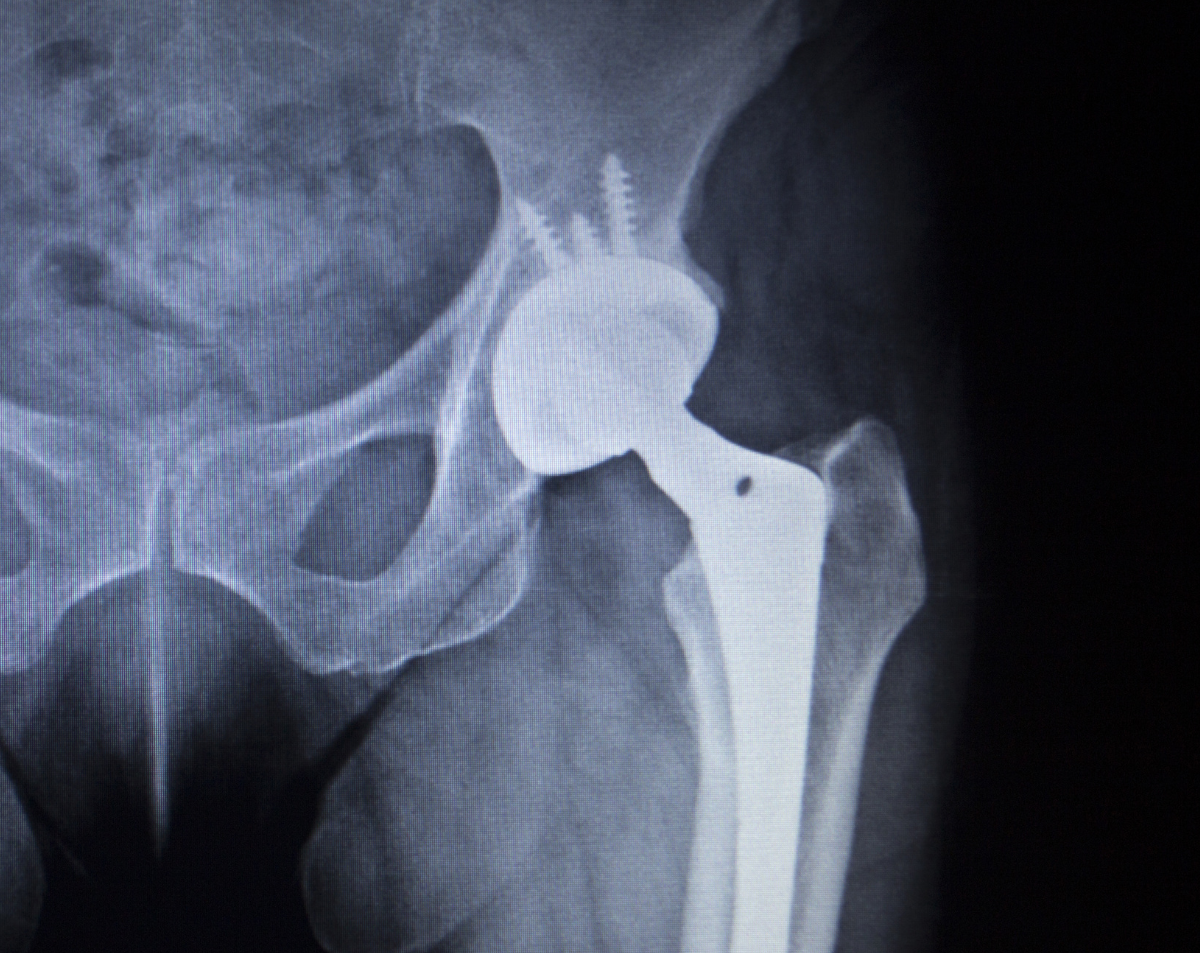
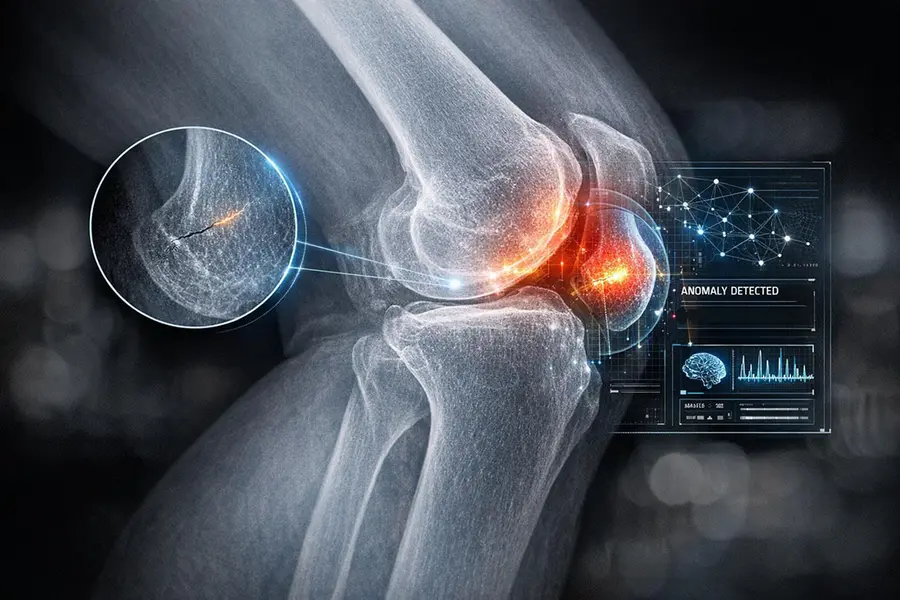
The integration of AI into our X-ray diagnostics represents a significant leap forward. We are essentially “teaching machines to see” beyond the immediate obvious. AI algorithms are trained on vast datasets of X-ray images, learning to recognize intricate patterns and subtle deviations that are indicative of impending bone weakness or fracture risk. These algorithms can process images with remarkable speed and consistency, highlighting areas of concern that might be overlooked by the unaided human eye.
This technology doesn’t replace our skilled radiologists; rather, it augments their capabilities. AI acts as a powerful assistant, providing a second, highly analytical opinion, drawing attention to potential risk areas. This collaborative approach between human expertise and artificial intelligence ensures a more comprehensive and accurate diagnosis, elevating the standard of care we provide.
The Translation: Unveiling Hidden Risks
In simple terms, our bones are living tissues constantly undergoing a process of breakdown and renewal. When this balance is disrupted, bones can gradually lose density and structural integrity, making them fragile. This fragility can stem from various factors, including aging, nutritional deficiencies like insufficient calcium and Vitamin D, certain medical conditions, or even repetitive stress from physical activities.
The power of AI-enhanced X-rays lies in their ability to detect these underlying vulnerabilities before they escalate into a full-blown fracture. It’s about identifying a bone that’s “whispering” about a potential problem before it “shouts” with a break. This early warning system is crucial for conditions such as osteoporosis, where bone weakening often progresses silently without noticeable symptoms until a fracture occurs. By spotting these hidden risks, we can intervene proactively, strengthening bones and preventing future breaks.
Why It Matters: Proactive Care for Your Family

The implications of this predictive technology for patient care are profound. Early prediction of fractures means we can take preventative measures, often avoiding the pain, discomfort, and lengthy recovery associated with bone breaks. For children, it means identifying developmental issues or stress fractures early, ensuring proper growth and preventing long-term orthopedic problems.
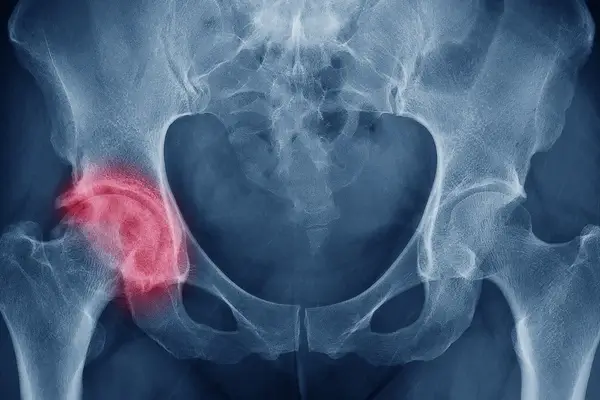
For adults, especially our elder family members, it offers a crucial defense against debilitating conditions like osteoporosis. Preventing a hip fracture, for example, can mean the difference between maintaining independence and facing significant mobility challenges. Our proactive approach ensures that every family member can enjoy a healthier, more active life, free from the unexpected setbacks of sudden fractures.
The Socio-Economic Impact: Protecting Pakistani Families
In the Pakistani context, the socio-economic impact of fractures, particularly among the elderly, can be substantial. A fracture can lead to prolonged hospitalization, requiring significant financial resources for treatment, medication, and rehabilitation. Beyond the direct medical costs, there’s often a ripple effect on the family.
Family members might need to take time off work to care for a loved one, leading to loss of income and added financial strain. For children, a fracture can disrupt their schooling and limit their participation in activities crucial for development. By predicting and preventing fractures, Sidra Family Hospital helps alleviate these burdens, contributing to the financial stability and overall well-being of families in our community. Our “Family-First” philosophy drives us to offer care that supports not just the patient, but the entire family unit.
Beyond Cancer: A Wider Horizon for Bone Health
While AI in medical imaging has often been highlighted for its potential in cancer detection, its applications extend far beyond. At Sidra Family Hospital, we are harnessing AI to enhance our understanding and management of general bone health. This includes identifying early signs of conditions like osteopenia (precursor to osteoporosis), stress fractures in athletes, or subtle anomalies in bone structure that could indicate future weakness.
This broader application of AI ensures that our diagnostic capabilities are comprehensive, covering a wide spectrum of bone and joint conditions. It allows us to provide targeted interventions, whether it’s recommending dietary changes, specific exercises, or medical treatments, tailored to each patient’s unique needs. Our Orthopaedics and Radiology departments collaborate seamlessly, utilizing these advanced tools to ensure holistic care.
The Forward Path: Steps Towards Stronger Bones
Empowering yourself and your family with strong bones involves a combination of lifestyle choices and proactive medical care. A balanced diet rich in calcium and Vitamin D is foundational. Incorporate dairy products, leafy green vegetables, and fortified foods into your meals. Regular weight-bearing exercise, such as walking, jogging, or dancing, helps to build and maintain bone density.
Prevention is always better than cure. If you have a family history of osteoporosis, have experienced previous fractures, or are approaching an age where bone density naturally begins to decline, regular check-ups and bone density screenings are advisable. Don’t wait for a fracture to occur. If you experience persistent bone or joint pain, have concerns about your bone health, or simply wish to understand your risk factors, we encourage you to visit Sidra Family Hospital.
Our Specialized Care department, alongside our dedicated Orthopaedics and Radiology teams, offers comprehensive diagnostic and therapeutic services. We leverage the latest in AI-powered X-ray technology to provide precise, timely interventions, ensuring your family’s bones remain healthy and resilient for a vibrant, active future. Trust Sidra Family Hospital to be your partner in safeguarding your family’s well-being and ensuring a healthy, active future for all.