
Understanding the Difference Between Viral and Bacterial Infection: A Guide for Families

When a family member wakes up with a fever, a sore throat, or persistent discomfort, the first question many parents ask is: “Is this a virus, or does it need antibiotics?” Understanding the difference between viral and bacterial infection is more than just medical trivia—it is a cornerstone of effective family care and antibiotic stewardship.
At Sidra Family Hospital, we see many patients who are unsure whether their symptoms require a quick rest or a prescription. Misidentifying these infections can lead to delayed recovery or the dangerous over-prescription of antibiotics. This guide will help you navigate these differences with confidence.
What Are Bacteria and Viruses?
Understanding Bacteria
Bacteria are complex, single-celled organisms that can survive on their own, inside or outside the body. While many bacteria are beneficial—such as those in our gut—pathogenic bacteria can cause illness. Common bacterial issues include Urinary Tract Infections (UTIs), strep throat, and some ear infections. These typically require targeted antibiotics to clear the infection.
Understanding Viruses
Viruses are much smaller than bacteria and require a living host—like a human—to multiply. They hijack your body’s cells to produce more virus particles. Most common colds, the flu, and COVID-19 are viral. Unlike bacteria, viruses do not respond to antibiotics. Treatment usually focuses on managing symptoms while the immune system fights back.

The Situation Room: Navigating Infections in Pakistan
The Translation: Simple Terms for Complex Science
In simple terms, think of a bacterial infection like a weed in a garden; you need a specific tool (antibiotics) to pull it out. A viral infection is more like a storm; you cannot stop the rain, but you can use an umbrella (supportive care) and wait for it to pass. Knowing the difference between viral and bacterial infection ensures you aren’t using a “weed puller” to try and stop the rain.
The Socio-Economic Impact: Why Correct Diagnosis Matters
In the local Pakistani context, the habit of visiting a local pharmacy to purchase “red and black capsules” (antibiotics) without a prescription is common. This practice is financially draining and medically dangerous. For a hardworking family in our community, a week of missed work due to an untreated bacterial UTI—or an unnecessary expense on antibiotics for a viral cold—can impact the monthly budget significantly. Furthermore, misuse leads to antibiotic resistance, making future infections harder to treat for the whole community.
The Forward Path: Prevention and Action
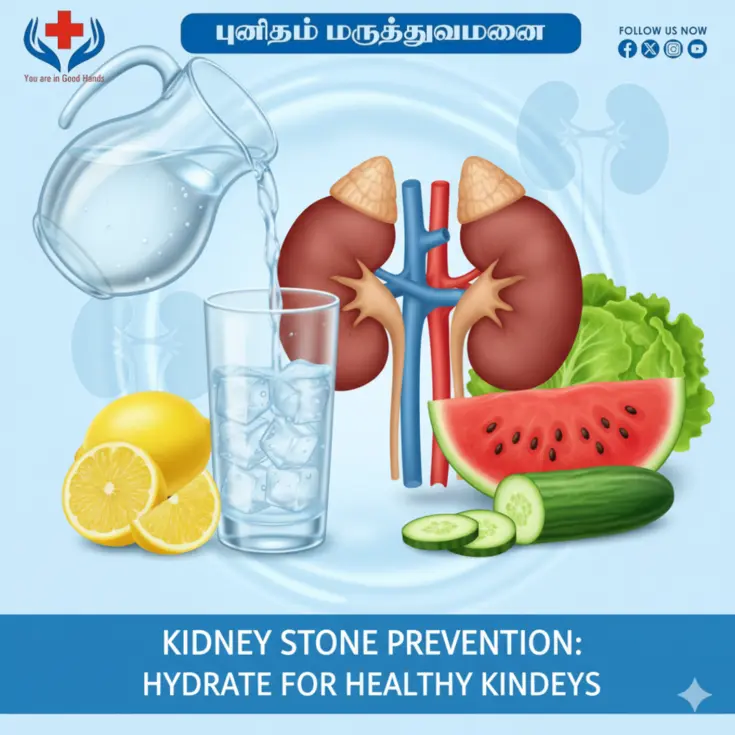
The path forward involves education and proactive hygiene. We encourage families to maintain high hydration levels—aiming for 2 liters of water daily—and to prioritize regular, complete bladder emptying to prevent bacterial buildup. Vaccination remains the most effective way to prevent serious viral illnesses like the flu. If symptoms like localized pain, burning during urination, or high fevers persist beyond 10 days, it is time to visit Sidra Family Hospital.

Comparing Symptoms: When to Worry
While both types of infections can cause fever and fatigue, there are distinct markers to look for. Viral infections often produce systemic symptoms—you feel achey all over, have a runny nose, and a cough. These symptoms usually peak within a few days and then gradually improve.
Bacterial infections are often localized. If you have intense pain in one specific area—like the bladder in a UTI or a single ear—it is more likely bacterial. A major red flag is the “double sickening” phenomenon, where you feel slightly better for a day and then suddenly feel much worse. This often indicates a secondary bacterial infection has taken hold.
The UTI Example: Uncomplicated vs. Complicated
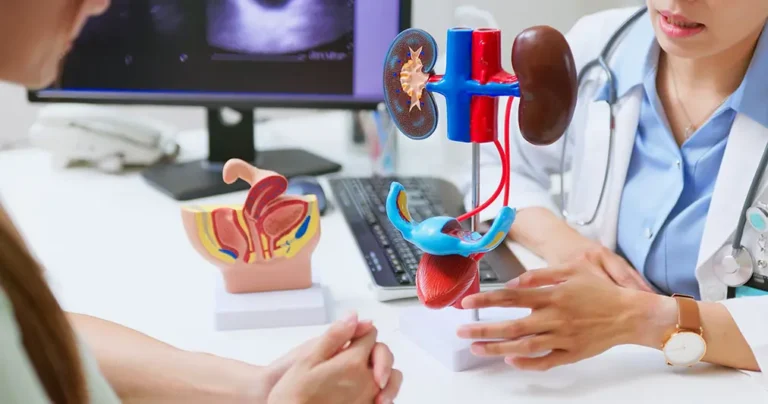
Urinary Tract Infections are a primary example of where understanding the difference between viral and bacterial infection is vital. An uncomplicated UTI is confined to the bladder, causing burning and urgency. However, if it spreads to the kidneys, it becomes a “complicated” infection, presenting with fever and back pain.
At Sidra Family Hospital, our Urology and Gynecology departments specialize in identifying these nuances. For women experiencing recurrent UTIs (two or more in six months), we provide personalized care plans that include hydration strategies and, in some cases, preventative supplements like cranberry to reduce bacterial adhesion.

When to Seek Medical Attention
Do not wait for symptoms to become debilitating. You should seek expert consultation at Sidra Family Hospital if:
- Symptoms last longer than 10 days without improvement.
- A fever remains high or cannot be controlled with over-the-counter medication.
- You experience severe localized pain (ear, throat, or pelvic region).
- You are pregnant and suspect a UTI, even if symptoms are mild.
Our Pediatrics and Urology teams are dedicated to ensuring your family receives a precise diagnosis. We utilize advanced testing to confirm the difference between viral and bacterial infection, ensuring you only take the medicine you actually need.
Conclusion
Protecting your family’s health starts with knowledge. By recognizing the signs of different infections and practicing good hygiene, you can manage most minor illnesses at home. However, when bacterial symptoms arise, prompt professional care is essential. Trust Sidra Family Hospital to provide the expert, compassionate care your loved ones deserve.