The Critical Role of Iron in Women’s Health: Preventing Anemia for a Thriving Family

The Critical Role of Iron in Women’s Health: Preventing Anemia for a Thriving Family
At Sidra Family Hospital, we believe that a healthy woman is the cornerstone of a thriving family and community. Your well-being is paramount, and we emphasize the critical, often overlooked, role of iron in women’s health, particularly in preventing a widespread condition known as anemia. Many women, especially during their reproductive years, pregnancy, or postpartum period, face iron deficiency, which can silently impact their energy, mood, and overall quality of life. Understanding iron’s importance and knowing how to prevent deficiency is key to maintaining vitality.
The Translation: Understanding Iron Deficiency and Anemia
Iron is a vital mineral that plays a central role in countless bodily functions. Its most crucial job is producing hemoglobin, a protein in red blood cells responsible for carrying oxygen from your lungs to every part of your body. Without sufficient iron, your body cannot produce enough healthy red blood cells, leading to a condition called iron deficiency anemia.
This means your organs and tissues don’t receive the oxygen they need to function optimally. Common symptoms of low iron are often subtle and can easily be dismissed. You might experience persistent fatigue, general weakness, dizziness, shortness of breath, pale skin, cold hands and feet, or even brittle nails and hair loss. Women are particularly susceptible to iron deficiency due to several factors.
Menstruation leads to regular blood loss, depleting iron stores monthly. Pregnancy dramatically increases iron requirements to support both the mother and the developing baby. Childbirth also involves significant blood loss, and breastfeeding mothers continue to have elevated iron needs. Dietary choices and certain medical conditions can further contribute to the risk.
If you’re experiencing any of these symptoms, it’s crucial not to self-diagnose or ignore them. A simple blood test, including a complete blood count (CBC) and ferritin levels, can accurately diagnose iron deficiency anemia. Ferritin specifically indicates your body’s stored iron, providing a clearer picture of your reserves.
The Socio-Economic Impact: Iron Deficiency in the Pakistani Context
In Pakistan, iron deficiency anemia is a significant public health challenge, disproportionately affecting women across various socio-economic strata. Many Pakistani women silently battle this condition, often dismissing persistent fatigue or dizziness as normal parts of daily life or motherhood. However, the impact extends far beyond individual discomfort, influencing family well-being and national productivity.
When a mother or wife is constantly tired and lacking energy, her ability to care for her children, manage household responsibilities, and participate in community or economic activities is severely compromised. Children of anemic mothers are also at higher risk of developmental delays and health issues. This cycle can perpetuate poverty and limit educational and economic opportunities for entire families.
Traditional Pakistani diets, while rich in many nutrients, sometimes lack sufficient bioavailable iron or include inhibitors that hinder iron absorption. This makes natural, accessible solutions even more vital. At Sidra Family Hospital, we understand this profound impact and champion practical, culturally relevant approaches to combat iron deficiency.
One such powerful, natural, and accessible solution gaining recognition is Moringa (sohanjna). Moringa oleifera leaves are a nutritional powerhouse, abundant in iron, Vitamin C (which aids iron absorption), calcium, potassium, and amino acids. Incorporating dried moringa leaves or powder into daily meals can significantly boost iron levels for Pakistani women.

It can be easily added to chapatis, daal, smoothies, soups, or consumed as a tea, making it a versatile and affordable dietary addition. This simple yet effective approach aligns with our family-first philosophy, offering a sustainable way to improve maternal and child health outcomes across our community. Prioritizing your health empowers your entire family to thrive.
The Forward Path: Prevention, Care, and When to Visit Sidra Family Hospital
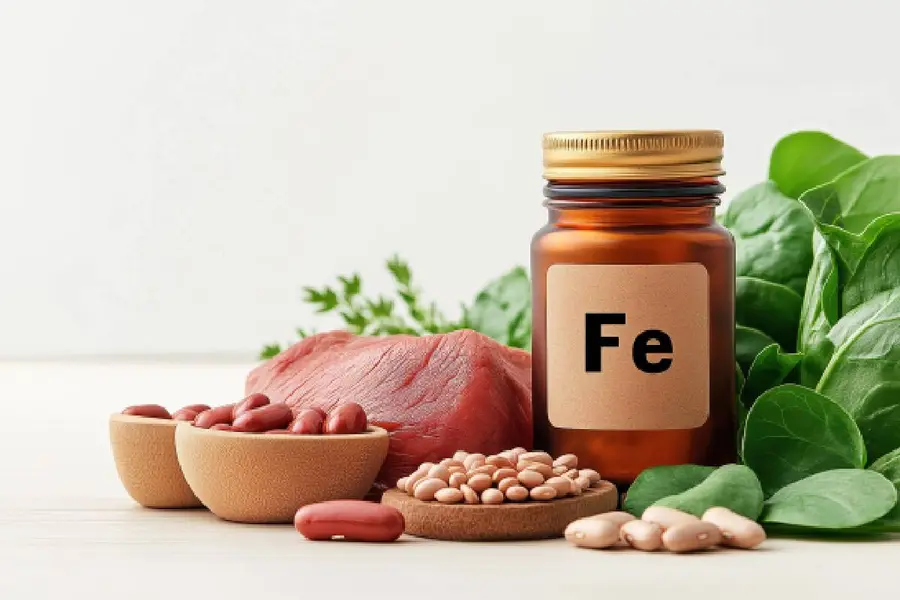
Preventing iron deficiency anemia starts with informed choices and proactive steps. Incorporating iron-rich foods into your daily diet is the first and most effective line of defense. Excellent sources of heme iron (easily absorbed) include red meat, poultry, and fish. For vegetarians, non-heme iron sources are abundant in spinach, lentils, beans, tofu, fortified cereals, and dark chocolate.
To maximize iron absorption, always pair iron-rich foods with Vitamin C. A glass of orange juice with your iron-fortified cereal, or bell peppers in your spinach salad, can make a significant difference. Conversely, be mindful that certain substances can inhibit iron absorption. Avoid consuming tea, coffee, or calcium-rich foods like milk directly with iron-rich meals, as these can reduce absorption.
For some women, dietary changes alone may not be enough to replenish iron stores, especially during pregnancy or if they have ongoing blood loss. In such cases, oral iron supplements, prescribed by a healthcare professional, can be a valuable option. It’s important to take these as directed, as excessive iron can also be harmful.
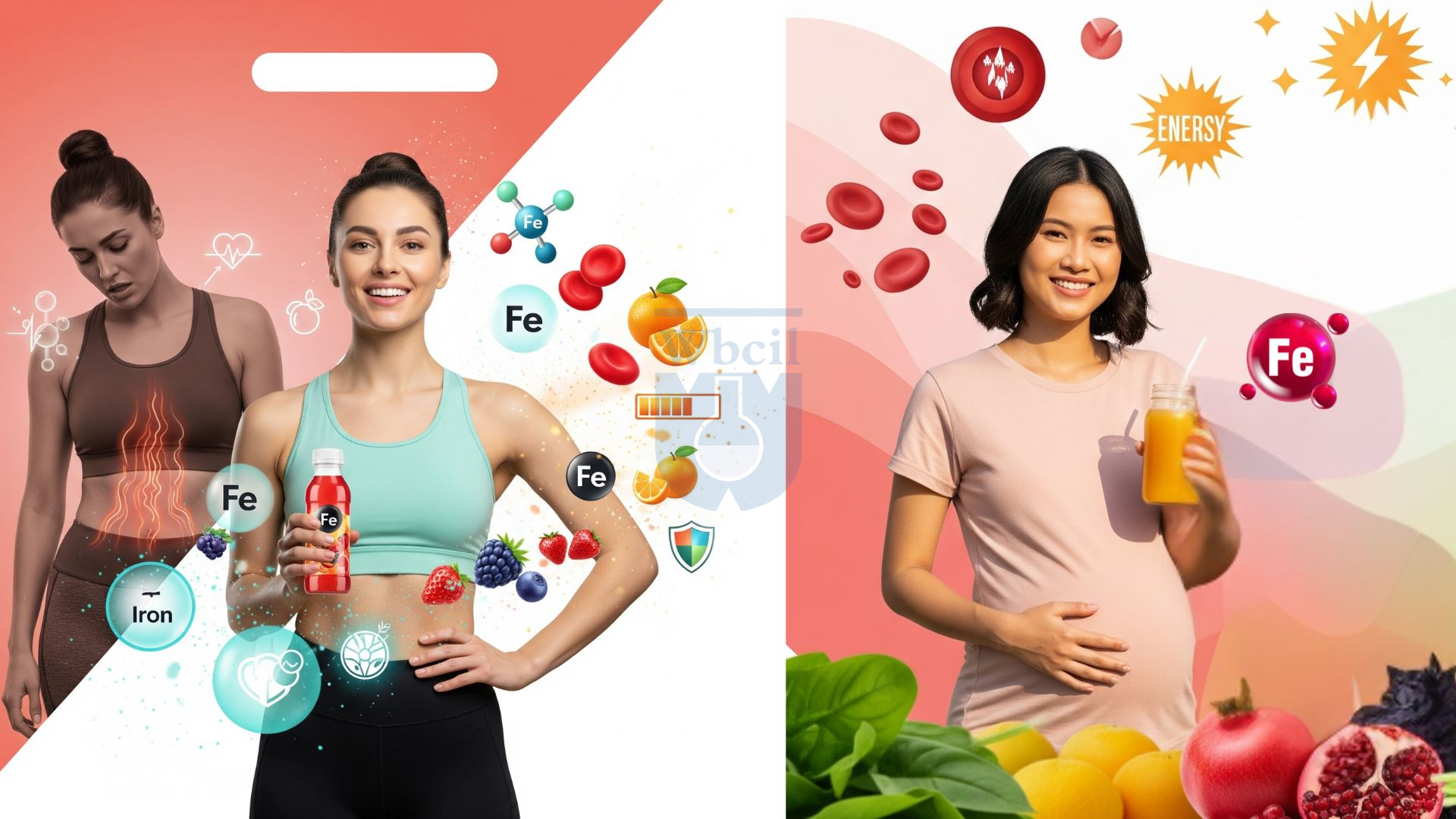
When oral supplements prove insufficient or are not well-tolerated due to digestive discomfort, intravenous iron infusion therapy offers a direct and efficient way to replenish your body’s iron stores. This treatment bypasses the digestive system, ensuring rapid and effective delivery. Our expert gynecologists at Sidra Family Hospital personalize each treatment plan, determining the precise number and type of infusions needed to restore your vitality and improve your health.
Recognizing the signs of low iron and taking action is crucial. If symptoms like persistent fatigue, weakness, dizziness, or unusual hair thinning persist despite dietary efforts, it’s time to consult a doctor. Our dedicated Gynecology and Nutrition departments at Sidra Family Hospital are here to provide comprehensive support. We offer personalized diagnosis through advanced testing, tailored treatment plans, and expert guidance on nutritional choices and comprehensive well-being.
Trust Sidra Family Hospital to support every woman in our family’s journey to optimal health. We are committed to providing compassionate, state-of-the-art care, ensuring you receive the support needed to live a vibrant, energetic life.