Vascular Airway Compression in Children: Expert Care at Sidra Family Hospital
Vascular Airway Compression in Children: Expert Care at Sidra Family Hospital
Dear parents, persistent noisy breathing, wheezing, or difficulty breathing in your child, especially if unresponsive to asthma medication, could signal Vascular Airway Compression. This condition arises when blood vessels press on your child’s airway, demanding specialized medical attention.
Early diagnosis of vascular airway compression is vital to prevent long-term complications. Observe for chronic cough, recurrent infections, or feeding difficulties. At Sidra Family Hospital, our Pediatrics department offers comprehensive diagnostics like CT angiography and bronchoscopy, alongside compassionate, expert evaluation, ensuring the best outcomes for your child.
Understanding Vascular Airway Compression
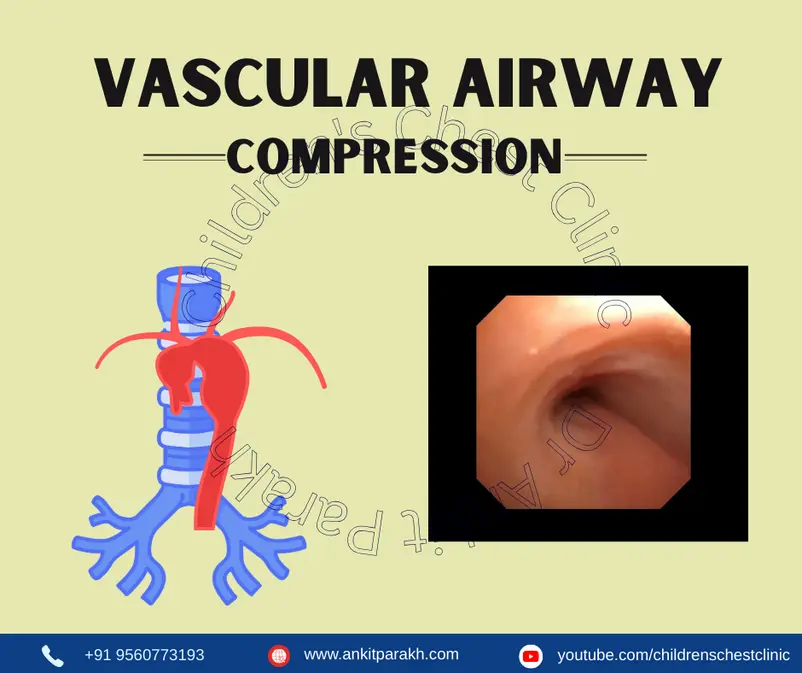
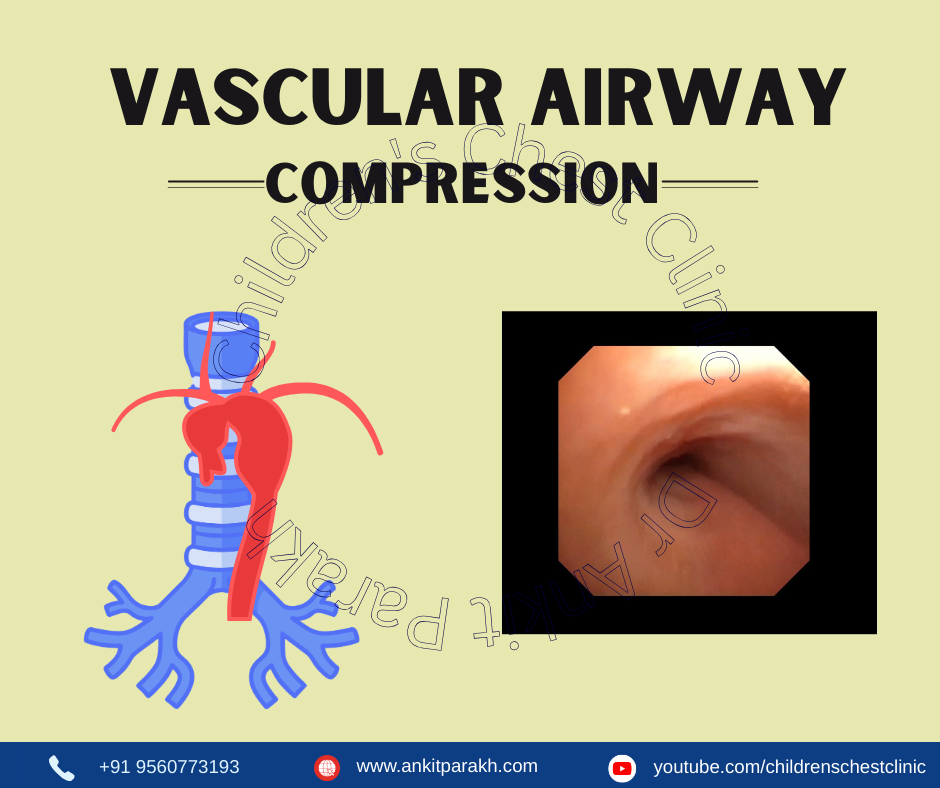
Vascular Airway Compression occurs when an abnormally positioned or enlarged blood vessel constricts the trachea or main bronchi. This external pressure narrows the airway, impeding airflow. While often present from birth, symptoms may manifest later in childhood.
Common causes include a vascular ring (a congenital anomaly where the aorta encircles the trachea/esophagus) or an aberrant right subclavian artery. These vital vascular structures can impinge on a child’s flexible airways, leading to respiratory issues. Precise diagnosis by experienced professionals is crucial.
Recognizing Clinical Signs
Symptoms vary by airway narrowing and age. Watch for persistent noisy breathing (stridor or wheezing) unresponsive to standard asthma treatments. Other signs include recurrent pneumonia, chronic cough, or feeding difficulties in infants due to possible esophageal compression.
Children might also experience breath-holding spells, unexplained pauses in breathing (apnea), or easy fatigue. Severe cases can lead to respiratory distress. Symptoms often worsen during crying, feeding, or lying flat; communicate all observations to your pediatrician to guide diagnosis.
Socio-Economic Impact on Pakistani Families
In Pakistan, a Vascular Airway Compression diagnosis poses significant socio-economic challenges. Specialized diagnostics, potential surgery, and long-term care are costly. Sidra Family Hospital strives for accessible, high-quality care, yet financial strain on households can be substantial.
The emotional toll on parents is immense; constant worry and frequent hospital visits impact mental health and productivity. A parent may need to stop working for full-time care, affecting family income. Sidra Family Hospital’s Family-First approach supports families with resources and counseling, alleviating stress to help them focus on their child’s health journey.
Diagnosis: The Clear Path Forward
Accurate diagnosis combines clinical evaluation with advanced imaging. Initial assessment includes a thorough physical examination and detailed medical history. If vascular airway compression is suspected, specialized tests are recommended.
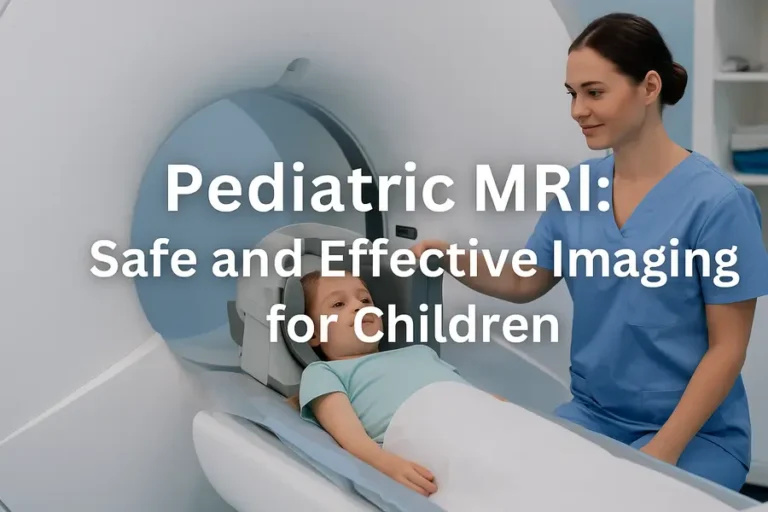
Key tools include chest X-ray, barium swallow for esophageal indentations, and CT Angiography (CTA) – the gold standard for detailed 3D vessel and airway images. MRI offers similar detail without radiation, and bronchoscopy directly visualizes airway compression severity. Our specialists ensure precise, timely diagnosis for effective, tailored treatment.
Management: Personalized Care for Your Child
Management is individualized, based on symptom severity and the specific vascular anomaly. Sidra Family Hospital prioritizes a conservative approach when appropriate, reserving surgery for optimal benefit.
Conservative / Medical Approaches
For mild symptoms, a “watch and wait” approach involves close monitoring of respiratory status, growth, and development. Medical management focuses on symptom alleviation and infection prevention, including respiratory support and prompt infection treatment. Many children with mild compression improve as their airways mature.
Surgical Interventions
When symptoms are severe, progressive, or significantly impact quality of life, surgical intervention is preferred. The goal is to relieve airway compression by dividing or repositioning the offending blood vessel (vascular ring division).
Options include traditional open thoracotomy or less invasive video-assisted thoracoscopic surgery (VATS). Our experienced pediatric cardiothoracic surgeons ensure high safety and efficacy. Post-operative care involves careful monitoring for smooth recovery and sustained breathing improvement.
Prognosis: A Healthy Future Awaits
The prognosis is generally excellent with timely diagnosis and treatment. Many children with mild compression see symptoms resolve with conservative management as airways mature. For those requiring surgical correction, outcomes are highly favorable, with significant relief from respiratory symptoms and improved development.
Most children lead healthy, active lives without residual effects. Some with severe, prolonged compression may have residual airway malacia requiring ongoing monitoring. Our comprehensive follow-up care ensures continued support, addressing lingering concerns and reinforcing our commitment to long-term well-being.
The Forward Path: Home Care & Seeking Expert Help
Vascular airway compression is congenital and not preventable, but early recognition and proactive management prevent complications. Parents, awareness of signs and symptoms is your most powerful tool.
Practical Steps and Home Care:
- Monitor breathing for persistent noisy breathing (stridor/wheezing).
- Observe feeding difficulties (choking/prolonged feeding).
- Avoid respiratory irritants like secondhand smoke.
- Promptly seek medical attention for respiratory infections.
- Strictly follow prescribed medication and management plans.
When to Visit Sidra Family Hospital:
Seek expert evaluation if your child exhibits persistent noisy breathing, recurrent severe infections, feeding difficulties linked to breathing, episodes of bluish skin (cyanosis), or any signs of respiratory distress. Our Pediatrics department provides thorough evaluation, accurate diagnosis, and personalized treatment. Your family’s health and peace of mind are our priority.
Conclusion
Vascular Airway Compression in children is manageable with early diagnosis and appropriate intervention. At Sidra Family Hospital, we support families from symptom recognition to advanced diagnostics and personalized treatment. Our Family-First philosophy ensures the best medical care and comprehensive support for a future where every child can breathe easy and thrive.
Frequently Asked Questions (FAQs)
1. What causes vascular airway compression in children?
This is caused by congenital abnormalities where blood vessels, typically arteries like the aorta, are abnormally positioned and press on the trachea or bronchi, stemming from unusual fetal development.
2. How is vascular airway compression diagnosed?
Diagnosis involves clinical evaluation and specialized imaging like CT angiography (CTA), MRI, barium swallow, and bronchoscopy. These visualize the airway and surrounding vascular structures to pinpoint compression.
3. What symptoms should alert parents to possible airway compression?
Watch for persistent noisy breathing (stridor/wheezing), recurrent infections, chronic cough, feeding difficulties (choking/gagging), or bluish skin (cyanosis). Symptoms often worsen with crying, feeding, or certain body positions.
4. Is surgery always required?
No. For mild symptoms, a conservative “watch and wait” approach may suffice. Surgery is usually reserved for severe, progressive symptoms significantly impacting a child’s breathing and quality of life.
5. What is the long-term outcome after treatment?
Generally excellent with timely treatment. Most children experience significant symptom improvement after surgery and lead healthy lives. With conservative management, many outgrow symptoms as airways mature.