Understanding Ventilation-Perfusion Mismatch in Children: A Guide for Parents

Understanding Ventilation-Perfusion Mismatch in Children: A Parent’s Guide
When your child is battling a high fever, your first instinct is to reach for the thermometer. However, at Sidra Family Hospital, we teach parents that a child’s breathing pattern is often just as critical as the number on that digital display. A fever isn’t just a rise in temperature; it is a significant increase in the body’s metabolic demands.
As the body heats up, it requires more oxygen and needs to expel more carbon dioxide. This process relies on a delicate balance within the lungs known as Ventilation-Perfusion. When this balance is disrupted, it leads to what medical professionals call a Ventilation-Perfusion Mismatch.
The Translation: What is V/Q Mismatch?
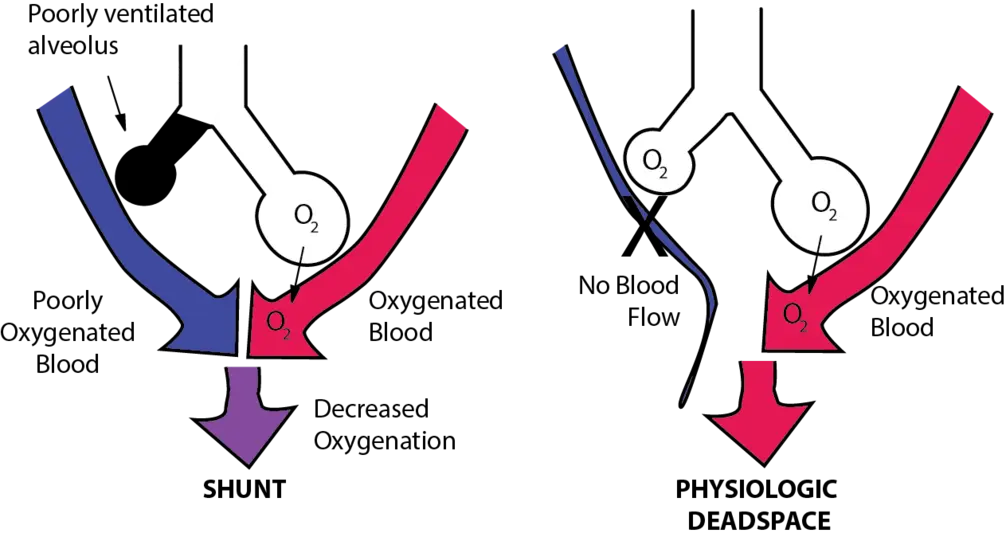
To understand Ventilation-Perfusion Mismatch, imagine a busy post office. Ventilation (V) is the mail arriving at the front door (the air entering the lungs). Perfusion (Q) is the fleet of delivery trucks waiting at the back door to take that mail to its destination (the blood flowing through the lung tissues).
In a perfect system, every letter finds a truck. However, a mismatch occurs in two primary ways:
- Dead Space: This happens when the “mail” (air) arrives, but there are no “trucks” (blood flow) to pick it up. The air is there, but it isn’t reaching the bloodstream. This often occurs during rapid, shallow breathing associated with high fevers.
- Shunt: This is the opposite. The “trucks” (blood) are waiting, but the “mail” (air) can’t get through the door. This often happens if the small airways are blocked by mucus or inflammation.
When your child experiences a Ventilation-Perfusion Mismatch, they are working harder to breathe but getting less “work” done. This is why a child with a fever might look tired or breathe rapidly even if they aren’t coughing.
The Socio-Economic Impact in the Local Context
In Pakistan, respiratory health and fever management are influenced by unique socio-economic factors. In many urban areas, air quality and dust can exacerbate underlying respiratory sensitivities in children. When a child develops a fever, the increased metabolic demand combined with poor environmental air quality makes Ventilation-Perfusion Mismatch more likely.
Furthermore, many families face the pressure of balancing work and caregiving. There is often a tendency to wait and see if a fever breaks on its own to avoid the costs of a clinic visit. However, delaying care when a child shows signs of respiratory distress—such as flared nostrils or “sucking in” at the chest—can lead to more expensive emergency interventions later.
At Sidra Family Hospital, we emphasize that early consultation is a proactive investment in your family’s health. By managing a Ventilation-Perfusion Mismatch early, we prevent the progression into severe pneumonia or respiratory failure, ensuring the breadwinners can return to work sooner and the children return to school healthy.
The Forward Path: Practical Steps for Parents
Managing a sick child requires a balance of home care and professional medical oversight. Here is how you can navigate the path to recovery:
1. Effective Fever Management
Keep your child hydrated with small, frequent sips of water or ORS. Use age-appropriate doses of paracetamol as directed by our pediatricians. Importantly, avoid “patti” or sponging with ice-cold water. This causes shivering, which actually increases the body’s internal temperature and worsens the Ventilation-Perfusion Mismatch by increasing oxygen demand.

2. Monitor Breathing Closely
Watch for shallow breaths or a very rapid respiratory rate. If your child seems unusually drowsy or is difficult to wake, their body may be struggling to clear carbon dioxide properly. This “dead space” breathing is a signal that the lungs and blood aren’t communicating effectively.
3. When to Visit Sidra Family Hospital
You should seek immediate consultation at our Pediatrics Department if:
- The fever persists beyond 48 hours.
- Your child is tugging at their ears or showing signs of an ear infection alongside respiratory issues.
- You notice “retractions” (the skin pulling in around the ribs or neck during breathing).
- There is a persistent cough that prevents sleep or feeding.
Conclusion
Your child’s health is our priority. A Ventilation-Perfusion Mismatch might sound like a complex medical term, but it is simply a way of describing how your child’s body is responding to the stress of illness. By staying vigilant and choosing expert care at Sidra Family Hospital, you ensure that every breath your child takes is a step toward recovery. Trust our family-first approach to safeguard your little one’s health through every season.