10 Most Common Female Health Problems and How to Manage Them
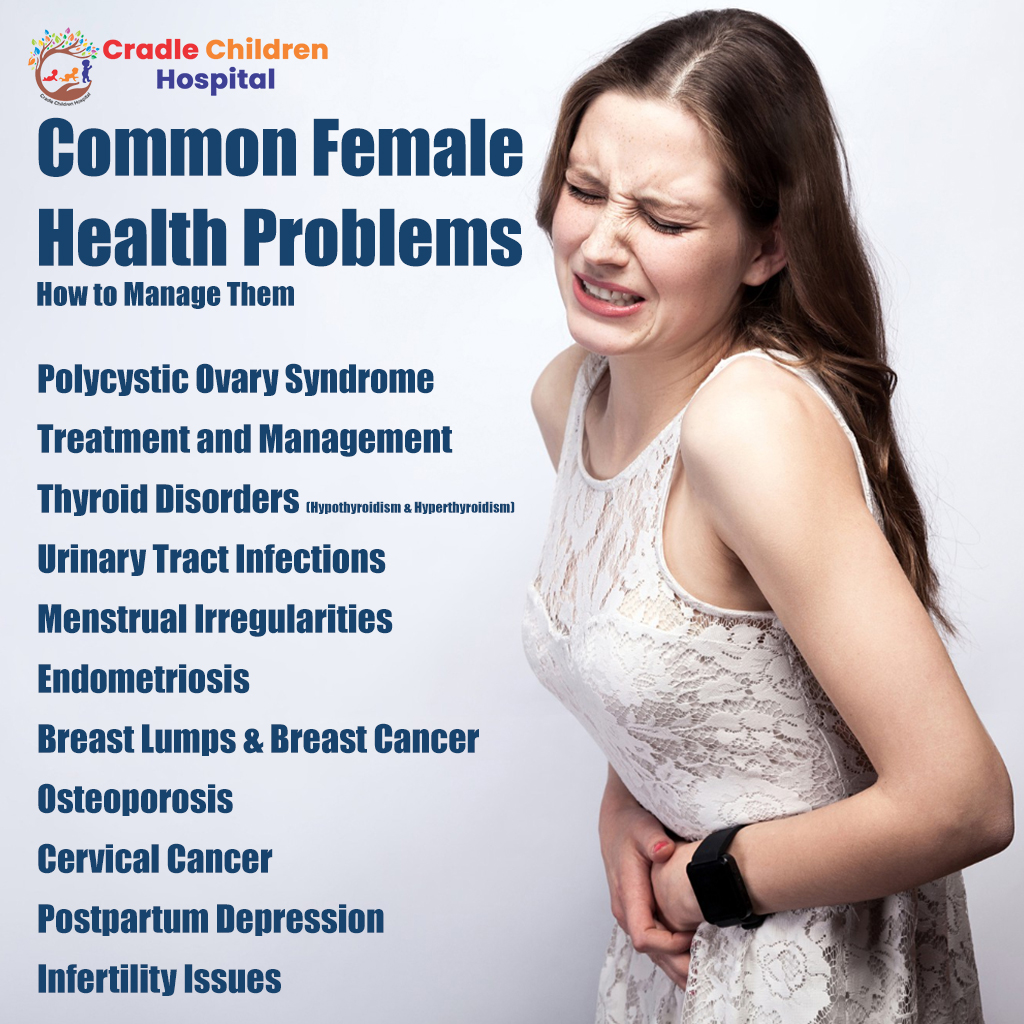
At Sidra Family Hospital, we understand that women’s health is fundamental to a thriving family. Many women silently navigate common gynecological challenges like Polycystic Ovary Syndrome (PCOS), thyroid disorders, menstrual irregularities, and the crucial need for breast and cervical cancer screenings. Early awareness and timely consultation are paramount for managing these female health problems.
Don’t let hesitation delay your well-being. Regular check-ups and open communication with a healthcare provider can empower you to manage these conditions effectively. Our compassionate Gynaecology department offers specialized care, advanced diagnostics, and preventive screenings. Trust Sidra Family Hospital to be your partner in prioritizing your health and ensuring a healthy future for you and your family.
The Translation: Understanding Common Female Health Problems
Understanding the conditions that most frequently affect women is the first step towards better health management. These female health problems range from hormonal imbalances to chronic diseases, each with unique symptoms and implications.
Polycystic Ovary Syndrome (PCOS)
PCOS is a hormonal disorder common among women of reproductive age. It is characterized by infrequent or prolonged menstrual periods, excess androgen (male hormone) levels, and ovaries that may develop numerous small follicles and fail to regularly release eggs. The exact causes of PCOS are not fully understood, but genetics, insulin resistance, and inflammation are believed to play significant roles. Managing PCOS often involves lifestyle changes, such as diet and exercise, and medications to regulate menstrual cycles, reduce hair growth, and address fertility issues.
Thyroid Disorders (Hypothyroidism & Hyperthyroidism)
The thyroid gland, located in your neck, produces hormones that regulate metabolism. When it produces too much (hyperthyroidism) or too little (hypothyroidism) thyroid hormone, it can disrupt your body’s functions. Symptoms of hypothyroidism include fatigue, weight gain, cold sensitivity, and constipation, while hyperthyroidism can cause weight loss, rapid heartbeat, heat sensitivity, and nervousness. Both conditions require careful diagnosis and treatment, which may include medication to balance hormone levels.
Urinary Tract Infections (UTIs)
UTIs are common bacterial infections affecting any part of the urinary system. Women are more susceptible due to their shorter urethras. Symptoms often include a strong, persistent urge to urinate, a burning sensation during urination, frequent small amounts of urine, and cloudy or strong-smelling urine. UTIs are typically caused by bacteria entering the urethra and multiplying in the bladder. Prompt treatment with antibiotics is crucial to prevent the infection from spreading to the kidneys, which can lead to more serious health complications.
Menstrual Irregularities
A regular menstrual cycle is a sign of overall health. Irregularities can include periods that are unusually heavy, light, painful, or occur too frequently or infrequently. Causes range from hormonal imbalances, stress, and lifestyle factors to underlying conditions like PCOS or uterine fibroids. While some variations are normal, persistent irregularities should be investigated to rule out significant underlying female health problems and ensure appropriate management.
Endometriosis
Endometriosis is a condition where tissue similar to the lining of the uterus (endometrium) grows outside the uterus. This misplaced tissue responds to hormonal changes, leading to pain, especially during menstrual periods, and can cause heavy bleeding or infertility. The exact cause is unknown, but theories include retrograde menstruation and immune system dysfunction. Treatment options vary from pain medication and hormone therapy to surgery, depending on the severity of symptoms and the patient’s desire for fertility.
Breast Lumps & Breast Cancer
Discovering a breast lump can be alarming, though most are benign. However, it is vital to have any new lump or change in breast tissue evaluated by a healthcare professional. Breast cancer is one of the most common cancers among women, and early detection significantly improves treatment outcomes. Symptoms can include a lump, changes in breast size or shape, skin dimpling, or nipple discharge. Causes are complex, involving genetics, lifestyle, and environmental factors. Regular self-examinations, clinical breast exams, and mammograms are key preventive and early detection strategies for this critical female health problem.
Osteoporosis
Osteoporosis is a disease that causes bones to become weak and brittle, so brittle that a fall or even mild stresses like coughing can cause a fracture. Women, especially post-menopausal women, are at higher risk due to declining estrogen levels. Often called a “silent disease,” it typically has no symptoms until a bone breaks. Prevention involves a diet rich in calcium and Vitamin D, regular weight-bearing exercise, and avoiding smoking and excessive alcohol. Bone density screenings are essential for early diagnosis and management.
Cervical Cancer
Cervical cancer is primarily caused by persistent infection with certain types of Human Papillomavirus (HPV). It is highly preventable through vaccination and regular screening tests. Early-stage cervical cancer often presents no symptoms, making routine Pap smears crucial for detection of pre-cancerous cells. As the disease progresses, symptoms may include vaginal bleeding after intercourse, between periods, or after menopause, and pelvic pain. Prevention through HPV vaccination and consistent screening can save lives.
Postpartum Depression
Postpartum depression (PPD) is a serious and debilitating mood disorder that can affect women after childbirth. It is more intense and longer-lasting than the “baby blues” and involves feelings of sadness, anxiety, exhaustion, and hopelessness that can interfere with a mother’s ability to care for herself and her baby. Hormonal shifts, sleep deprivation, and the emotional stress of new parenthood are contributing factors. Early recognition and treatment, including therapy and medication, are vital for both mother and child’s well-being.
Infertility Issues
Infertility is defined as the inability to conceive after a year of unprotected intercourse (or six months for women over 35). For women, common causes include ovulation disorders (like PCOS), blocked fallopian tubes, endometriosis, and uterine abnormalities. The emotional and psychological toll of infertility can be significant. Treatment options vary widely, from medication to stimulate ovulation, to surgical interventions, and advanced reproductive technologies like IVF. A comprehensive evaluation at Sidra Family Hospital can help identify the cause and guide appropriate treatment.
The Socio-Economic Impact: Female Health Problems in Pakistan
In Pakistan, female health problems carry significant socio-economic implications. Cultural norms, limited access to healthcare, and a lack of awareness often lead to delayed diagnosis and treatment. For instance, the stigma associated with discussing reproductive health issues like PCOS, endometriosis, or infertility can prevent women from seeking timely medical advice. This delay can exacerbate conditions, impact fertility, and contribute to chronic pain, significantly reducing a woman’s quality of life and productivity.
Economic factors also play a crucial role. The cost of diagnostic tests, medications, and specialized treatments can be prohibitive for many families. Undiagnosed or poorly managed conditions like thyroid disorders or menstrual irregularities can affect a woman’s ability to work or manage household responsibilities, impacting family income and stability. Furthermore, conditions like postpartum depression often go unrecognized or are dismissed, leaving mothers to suffer in silence, which can have long-term consequences for both the mother and child’s development.
Breast and cervical cancers, when detected late, lead to more aggressive treatments and higher mortality rates, placing immense emotional and financial burdens on families. Addressing these disparities requires not only improving healthcare infrastructure but also launching widespread public health campaigns to raise awareness, reduce stigma, and encourage proactive health-seeking behaviors among women across all socio-economic strata in Pakistan.
The Forward Path: Prevention, Management, and When to Visit Sidra Family Hospital
Taking a proactive approach to your health is paramount. Many common female health problems can be prevented or managed effectively with early intervention and consistent care. Here are practical steps every woman can take:
- Regular Check-ups: Schedule annual gynecological exams, even if you feel healthy. These visits are crucial for preventive screenings like Pap smears and clinical breast exams.
- Healthy Lifestyle: Maintain a balanced diet, engage in regular physical activity, and manage stress. These habits can significantly impact hormonal balance and overall well-being, helping to prevent conditions like PCOS and osteoporosis.
- Self-Awareness: Pay attention to your body. Monitor your menstrual cycle for irregularities, perform monthly breast self-exams, and be aware of any persistent symptoms that concern you.
- Vaccinations: Consider the HPV vaccine to protect against cervical cancer, especially for younger women.
- Open Communication: Discuss any health concerns openly and honestly with your doctor. No symptom is too small or insignificant to bring up.
When to Prioritize Your Gynecological Health
It’s important to seek professional medical advice at Sidra Family Hospital if you experience any of the following:
- Persistent pelvic pain or severe menstrual cramps.
- Unusual vaginal bleeding (between periods, after intercourse, or post-menopause).
- Changes in breast tissue, including new lumps, dimpling, or nipple discharge.
- Symptoms of a UTI that don’t improve or worsen.
- Unexplained weight changes, fatigue, or mood disturbances.
- Concerns about fertility after trying to conceive for a year (or six months if over 35).
- Symptoms of postpartum depression that persist beyond two weeks after childbirth.
Why Choose Sidra Family Hospital for Women’s Health?
At Sidra Family Hospital, our dedicated Gynaecology department is committed to providing comprehensive, compassionate, and family-first care for women at every stage of life. Our team of experienced gynaecologists and specialists offers:
- Advanced Diagnostics: Utilizing state-of-the-art technology for accurate and timely diagnoses.
- Personalized Treatment Plans: Tailoring care to your unique needs, whether it’s managing chronic conditions, addressing fertility concerns, or providing cancer screenings.
- Preventive Care: Emphasizing education and screenings to detect and address health issues before they become serious.
- Supportive Environment: Creating a comfortable and confidential space where you can discuss your health concerns openly.
We are your trusted partner in managing common female health problems, ensuring you receive the best possible care for a healthier, happier life.
Conclusion
Women’s health is a cornerstone of family well-being. By understanding the most common female health problems, embracing preventive measures, and seeking timely medical care, women can lead healthier and more fulfilling lives. Sidra Family Hospital stands ready to support you with expert care, advanced resources, and a compassionate approach, ensuring that your health journey is navigated with confidence and support.