Introducing Solid Foods: A Family-First Guide to Healthy Beginnings
Introducing Solid Foods: A Family-First Guide to Healthy Beginnings
The journey of parenthood is filled with exciting milestones, and introducing solid foods to your baby is a significant step in their development. At Sidra Family Hospital, we provide compassionate, evidence-based guidance to help you navigate this crucial transition with confidence. We understand the questions and anxieties that can arise, and our dedicated Pediatrics department is here to support your family every step of the way.
The Translation: Understanding Early Nutrition for Your Little One
When is Your Baby Ready for Solids?
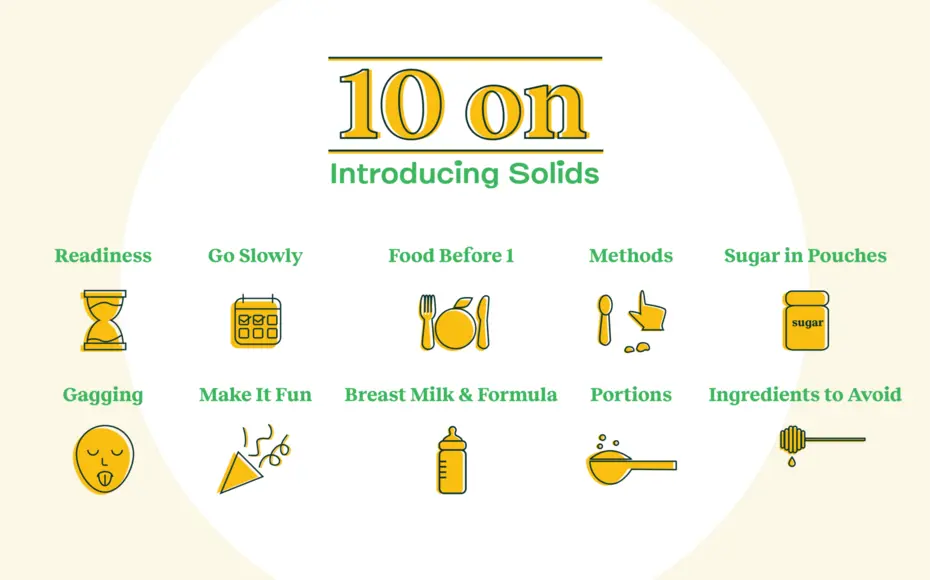
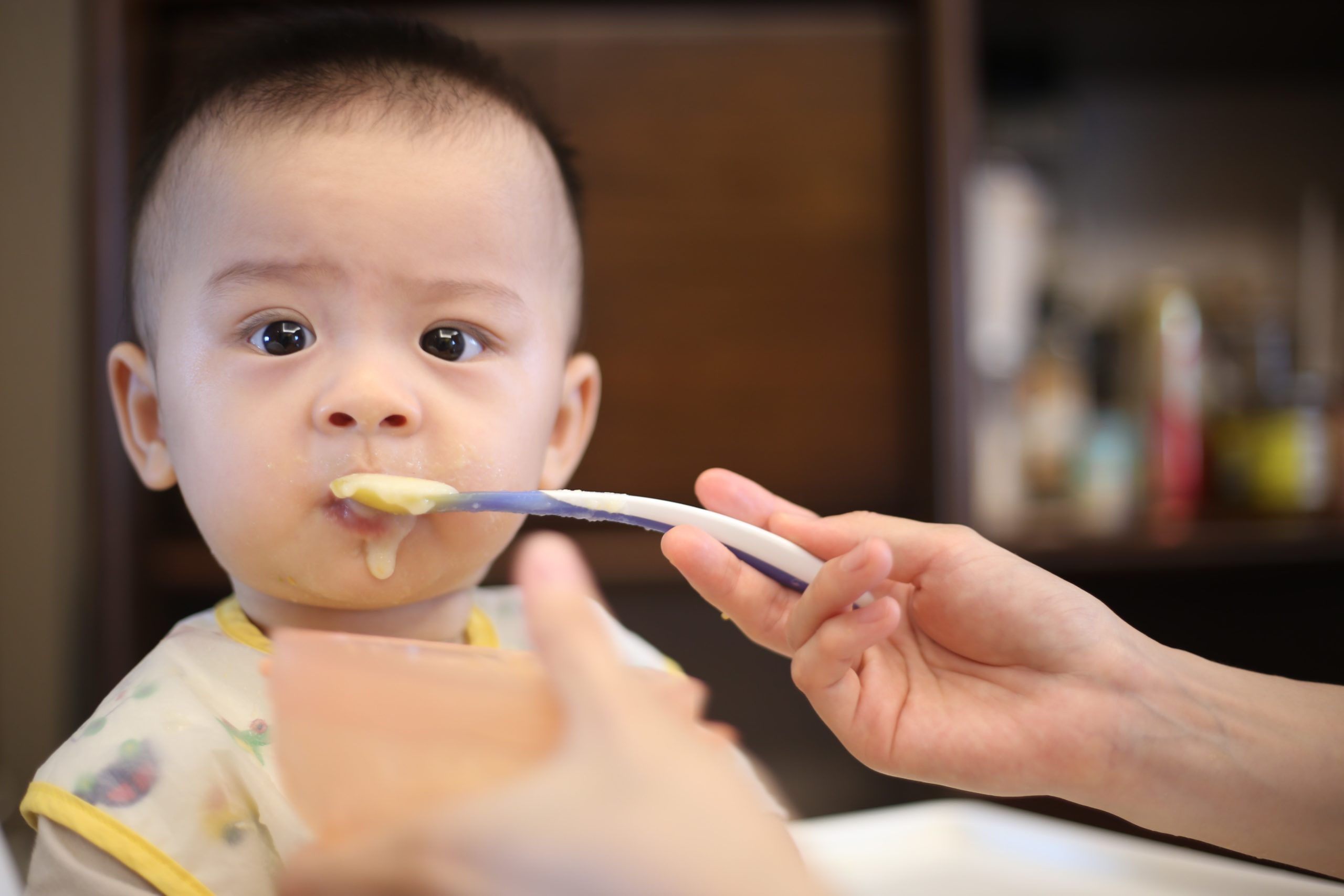
Timing is key when introducing solids. Our pediatric experts recommend starting complementary foods around six months of age, when your baby shows clear signs of developmental readiness. Look for good head and neck control, the ability to sit unassisted, and a clear interest in food, such as reaching for what you’re eating or opening their mouth when food is offered.
Beyond “Just for Fun”: Essential Nutrients
By six months, your baby’s iron stores begin to deplete. While breast milk and formula remain vital, they may no longer provide all the essential nutrients your rapidly growing baby needs. Introducing iron-rich solid foods is crucial for preventing deficiencies and supporting healthy growth and cognitive development. Key nutrients like iron and zinc, found in pureed meats, fortified infant cereals, and legumes, are critical for their increasing demands.
Your Baby’s First Bites and The 3-5 Day Rule
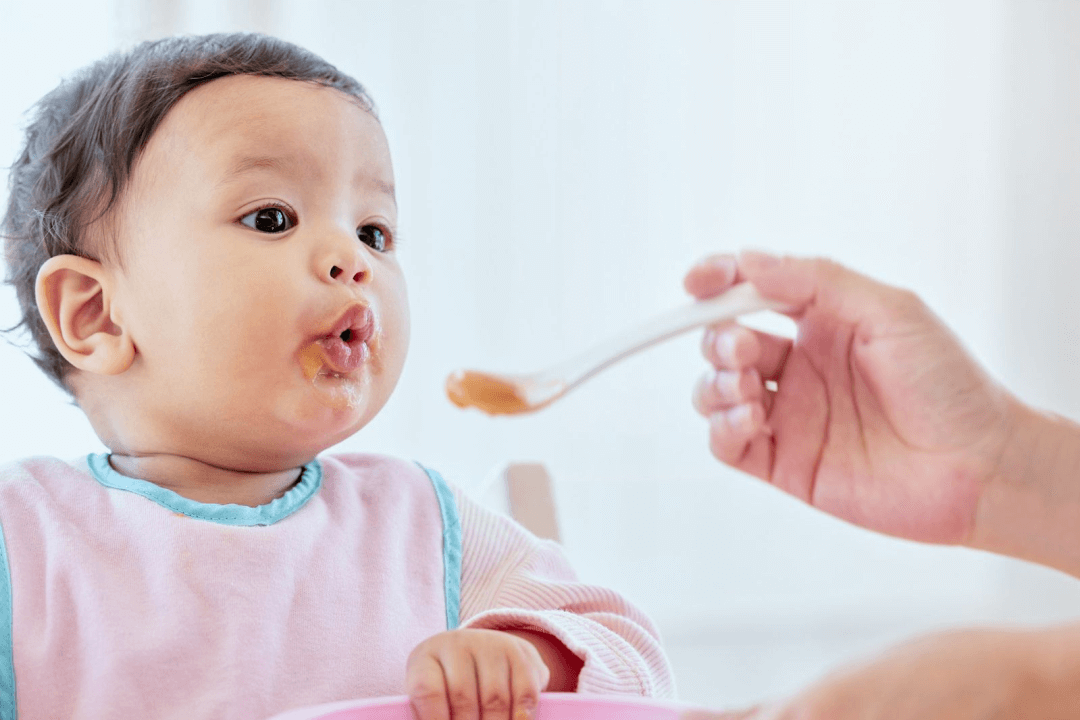
Start with single-ingredient, soft, and easy-to-digest options like iron-fortified rice cereal, mashed bananas, or pureed sweet potatoes. Gradually introduce varied textures. To safely identify sensitivities, introduce one new food at a time and wait three to five days before introducing another. Observe for signs of allergic reaction like hives, rash, vomiting, or fussiness, and contact your pediatrician if they appear.
Gagging vs. Choking: Staying Safe
Gagging is a normal reflex: it’s loud, messy, and your baby can still breathe and make noise. Choking is silent and serious; your baby cannot cry or cough. Always supervise mealtimes closely and ensure foods are cut into appropriate, safe sizes to prevent choking hazards. If you suspect choking, seek immediate medical help.
The Socio-Economic Impact: Nurturing Healthy Beginnings in Pakistan
Navigating Food Choices and Nutritional Gaps
In Pakistan, introducing solid foods is influenced by cultural practices, economic realities, and traditional beliefs. Families often rely on homemade, traditional foods. It’s crucial to ensure these are prepared hygienically and offer a balanced array of nutrients. Access to diverse, affordable foods varies. Sidra Family Hospital guides families on preparing nutritious, locally sourced options safely, addressing concerns like food safety and hygiene.
Malnutrition and micronutrient deficiencies are challenges in Pakistan. By introducing appropriate solid foods from six months, we can significantly impact long-term health. Our specialists emphasize incorporating protein-rich foods like lentils, eggs, and minced meats, alongside fruits and vegetables, to combat common deficiencies. We provide practical, culturally appropriate feeding plans.
The Forward Path: Practical Steps and Sidra Family Hospital’s Support
Making Mealtimes Joyful and Understanding Portions
Create a positive mealtime atmosphere. Let your baby join family meals and offer a variety of textures and flavors. Avoid distractions and practice responsive feeding, paying attention to your baby’s hunger and fullness cues. Remember, breast milk or formula remains the primary nutrition source until at least their first birthday; solids are complementary. Start with small amounts, increasing gradually as your baby shows interest.
Foods to Avoid in the First Year
Strictly avoid these foods before your baby’s first birthday: honey (infant botulism risk), added sugar and salt (unhealthy habits, kidney strain), and cow’s milk as a primary drink (lacks essential nutrients). Also, be vigilant about choking hazards like whole grapes, nuts, popcorn, and hot dogs; always cut food into small, manageable pieces.
When to Consult Sidra Family Hospital
Our Pediatrics department is your partner. Contact us if you have concerns about growth, persistent feeding difficulties, suspected food allergies, or questions about specific dietary needs. We are committed to providing personalized care and expert advice, helping your family navigate the journey of introducing solid foods with confidence. Your child’s healthy start is our priority.