Malaria Symptoms: Early Warning Signs and Diagnosis
Malaria Symptoms: Early Warning Signs and Diagnosis
At Sidra Family Hospital, your family’s health is our utmost priority. We understand the concerns that medical conditions can bring, especially when they affect our little ones. Malaria, a serious parasitic disease prevalent in regions like Pakistan, demands our collective vigilance and prompt action. Recognizing malaria symptoms early and understanding effective diagnostic and preventive measures are crucial for safeguarding your loved ones.
Our dedicated team is committed to providing compassionate, family-first care, ensuring that every member of your family receives the best possible support. This comprehensive guide will help you understand malaria, its impact, and the steps you can take to protect your family, backed by the expert care at Sidra Family Hospital.
Understanding Malaria: The Translation
Malaria is a life-threatening disease caused by parasites that are transmitted to people through the bites of infected female Anopheles mosquitoes. While often associated with specific geographic regions, its impact can be widespread, making awareness and early intervention critically important. The disease typically manifests with a range of symptoms, which can sometimes be mistaken for other common illnesses like the flu, making accurate diagnosis vital.
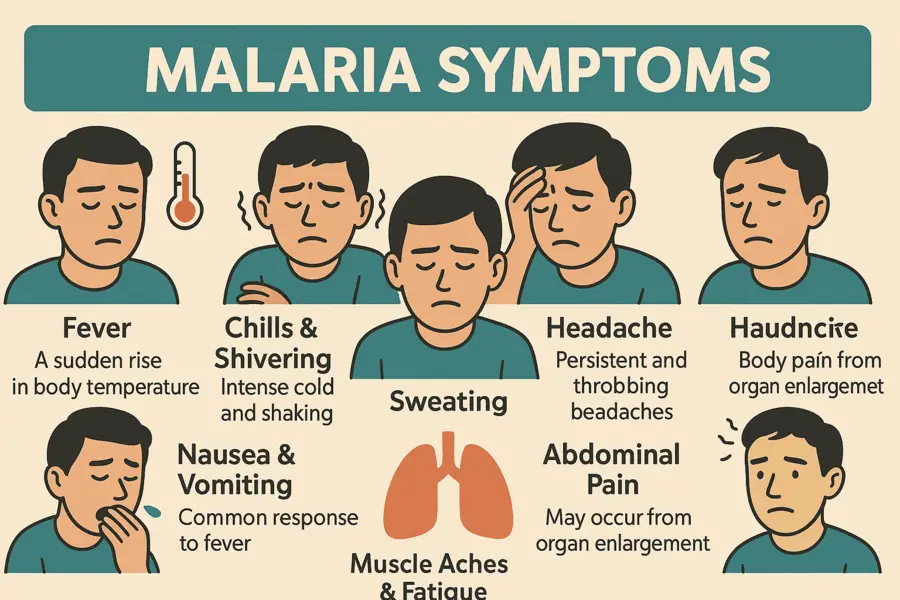
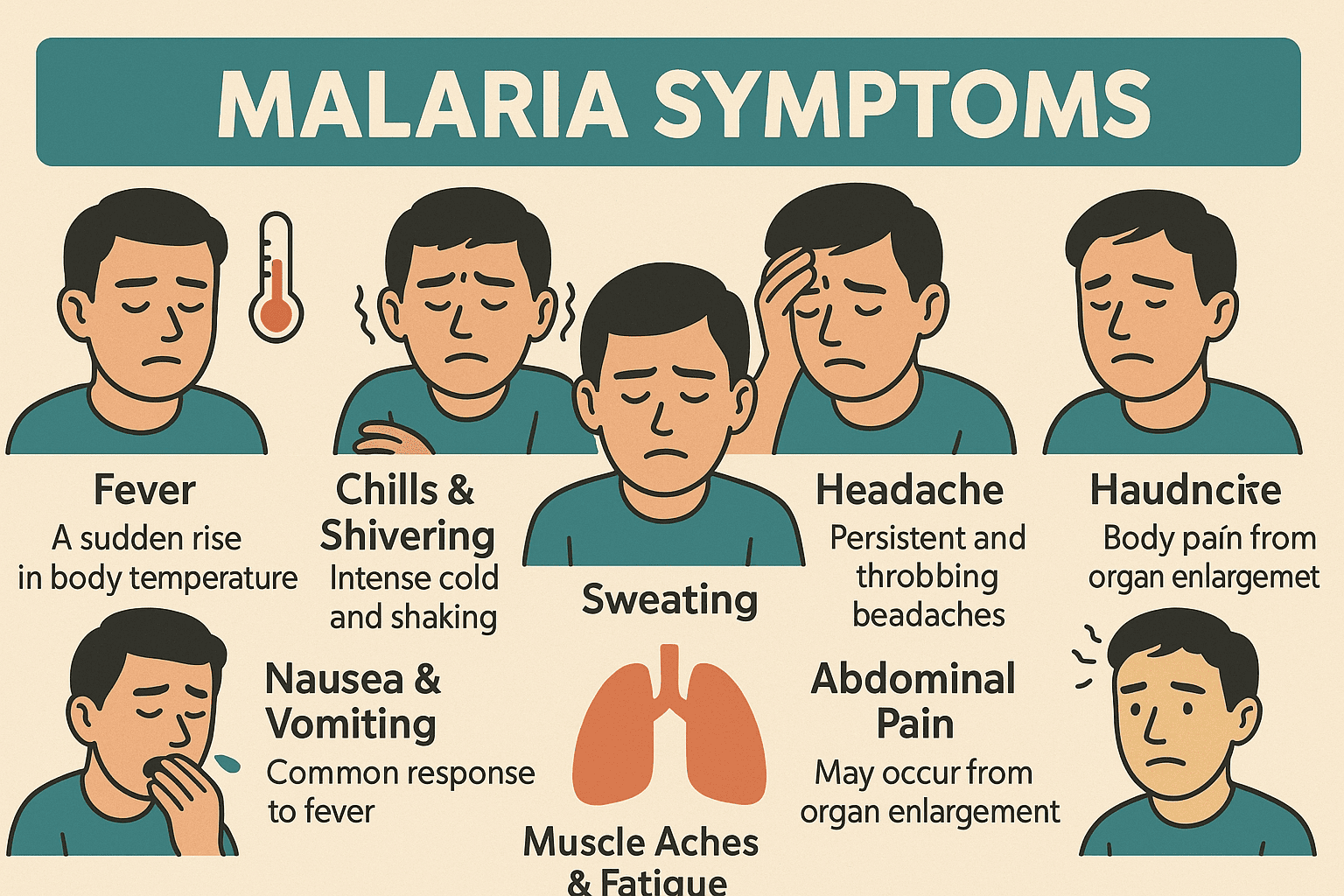
Common malaria symptoms include a sudden, cyclical fever, often accompanied by intense chills and profuse sweating. Patients may also experience severe headaches, persistent fatigue, muscle aches, and nausea. These symptoms usually appear 10-15 days after an infected mosquito bite. It’s important to remember that these initial signs, especially in children, can progress rapidly to more severe complications if not addressed quickly.
Recognizing these early warning signs of malaria symptoms is the first step towards effective treatment. Delay in seeking medical attention can lead to critical health issues, particularly in vulnerable groups such as young children and pregnant women. Sidra Family Hospital emphasizes the importance of understanding these symptoms and acting swiftly to protect your family’s health.

Malaria’s Impact on Pakistani Families: The Socio-Economic Context
In Pakistan, malaria poses a significant public health challenge, affecting countless families annually. The disease disproportionately impacts vulnerable populations, including young children, who often experience more severe forms of the illness. The cyclical nature of malaria symptoms can disrupt family life, leading to missed school days for children and lost work productivity for adults, further exacerbating socio-economic challenges.
Several factors contribute to the prevalence and spread of malaria in our region. Climate and environmental conditions, such as stagnant water bodies that serve as mosquito breeding grounds, play a crucial role. Poor sanitation and water management practices can increase mosquito populations. Additionally, factors like poverty, limited access to quality healthcare, and large-scale population movements can hinder effective prevention and treatment efforts.
A weakened immune system also makes individuals, especially children, more susceptible to the parasite and its complications. Without timely intervention, malaria can lead to severe health issues, including cerebral malaria, organ failure, seizures, or confusion. Sidra Family Hospital is acutely aware of these challenges and is committed to being a pillar of support for families navigating the complexities of malaria, offering not just treatment but also education and preventive guidance.
Taking the Forward Path: Diagnosis, Prevention, and Treatment at Sidra Family Hospital
Accurate Diagnosis is Key
If you suspect malaria based on the appearance of malaria symptoms, particularly after a mosquito bite or travel to an affected area, immediate medical consultation is paramount. At Sidra Family Hospital, our dedicated Pediatrics department and expert diagnostic services are equipped to provide accurate and timely identification of the disease. Diagnosis typically involves blood tests, such as microscopic examination of blood smears or rapid diagnostic tests (RDTs), to detect the presence of the malaria parasite.
Early detection allows for prompt initiation of appropriate treatment, which is crucial in preventing the progression to severe and life-threatening complications. Our compassionate medical team will guide your family through the diagnostic process with care and precision, ensuring that a clear path to recovery is established as quickly as possible.
Proactive Prevention Strategies
Prevention is the most effective defense against malaria. Families can significantly reduce their risk by adopting several proactive measures:
- Eliminate Breeding Grounds: Regularly clear stagnant water around your home, which serves as a breeding site for mosquitoes.
- Use Mosquito Repellents: Apply insect repellents containing DEET or picaridin to exposed skin, especially during dusk and dawn when mosquitoes are most active.
- Sleep Under Mosquito Nets: Utilize insecticide-treated bed nets, particularly for children and pregnant women, to provide a protective barrier while sleeping.
- Wear Protective Clothing: When outdoors, wear long-sleeved shirts and long pants to minimize skin exposure to mosquito bites.
- Maintain Sanitation: Ensure proper waste disposal and water management around your community to reduce mosquito habitats.
When to Seek Care at Sidra Family Hospital
Your family’s well-being is our greatest concern. If you or a loved one, especially a child, exhibits any malaria symptoms, do not hesitate to seek medical attention immediately. Even if the symptoms seem mild, early consultation can prevent the disease from escalating. Our expert Pediatrics department at Sidra Family Hospital offers comprehensive diagnosis, compassionate care, and tailored treatment plans to ensure a swift and complete recovery for your loved ones.
Trust SFH to support your family’s health journey with specialized, family-centered care. We are here to provide timely intervention and guidance every step of the way, empowering you with the knowledge and resources to combat malaria effectively.