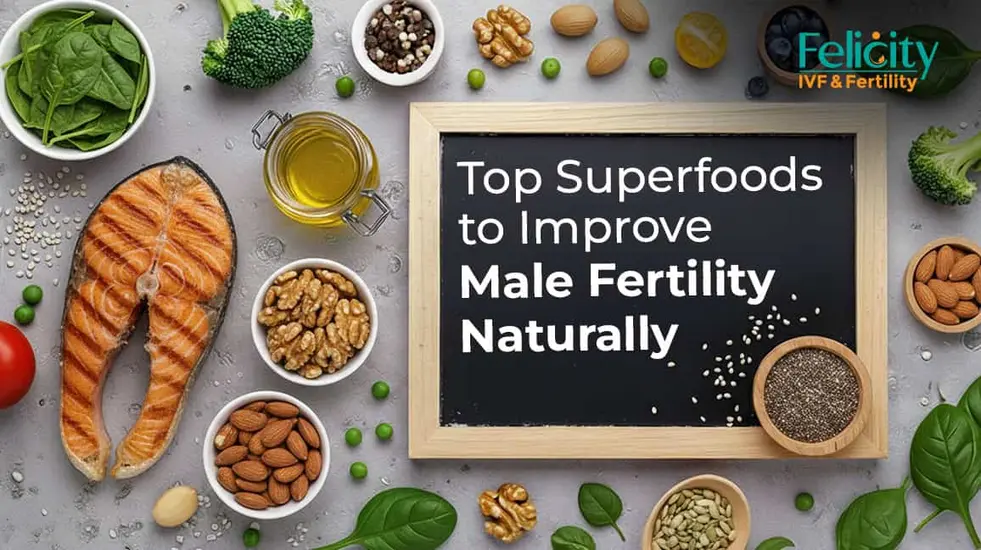
Top Superfoods to Improve Male Fertility Naturally: A Comprehensive Guide for Families
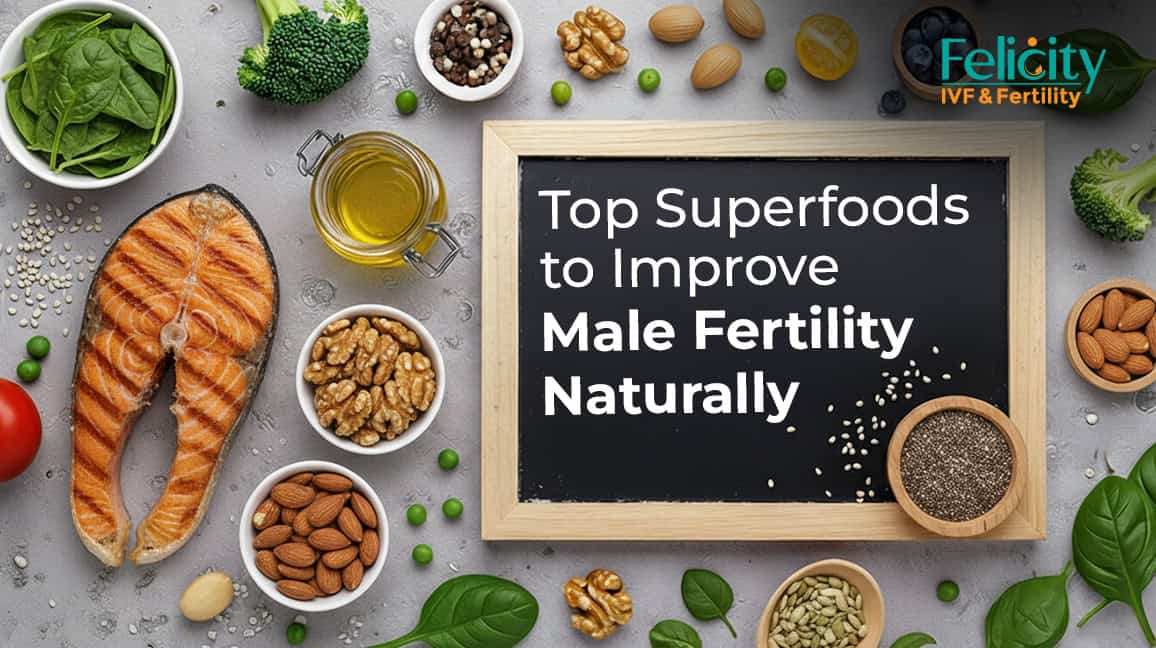
At Sidra Family Hospital, we understand that building a family is one of life’s most significant milestones. While much of the conversation around conception often focuses on maternal health, paternal wellness is equally vital. For many couples, the path to parenthood begins at the dinner table. Scientific research continues to highlight that specific dietary patterns can improve male fertility naturally, enhancing sperm quality and increasing the likelihood of successful conception.
Our “Family-First” approach emphasizes that reproductive health is a collaborative effort. By focusing on nutrient-dense superfoods, men can take proactive steps to safeguard their DNA health and optimize sperm motility. This guide explores the essential nutrients and lifestyle shifts necessary to support your reproductive journey with confidence.
The Translation: Understanding Male Fertility in Simple Terms
When we talk about male fertility, we are essentially looking at the health and performance of sperm. This can be broken down into three main categories: count, motility, and morphology. Count refers to the number of sperm present; motility describes how well they swim toward the egg; and morphology relates to their size and shape.
To improve male fertility naturally, we must address oxidative stress. Think of sperm as delicate biological units that are highly sensitive to environmental damage. Antioxidants found in specific superfoods act like a protective shield, neutralizing harmful molecules that could otherwise damage sperm DNA. At Sidra Family Hospital, we translate these complex biological processes into actionable nutritional steps for our patients.
The Socio-Economic Impact: Male Fertility in the Pakistani Context
In Pakistan, fertility challenges are often shrouded in social stigma, frequently placing an unfair burden on women. However, clinical data suggests that male factors contribute to nearly 50% of all infertility cases. Addressing these issues through nutrition is not just a medical choice; it is a socio-economic one. High-end fertility treatments like IVF can be financially draining for many families.
By learning how to improve male fertility naturally through local, accessible superfoods like palak (spinach), akhrot (walnuts), and citrus fruits, families can reduce the need for expensive medical interventions. Investing in preventative nutrition helps preserve family resources and reduces the emotional strain that often accompanies long-term fertility struggles. At Sidra Family Hospital, we empower fathers to take an active, leading role in the family’s health from the very beginning.
Top Superfoods to Include in Your Fertility Diet
If you are looking to improve male fertility naturally, your grocery list should prioritize foods rich in Zinc, Folate, and Omega-3 fatty acids. These nutrients are the building blocks of reproductive vitality.
1. Walnuts and Healthy Fats
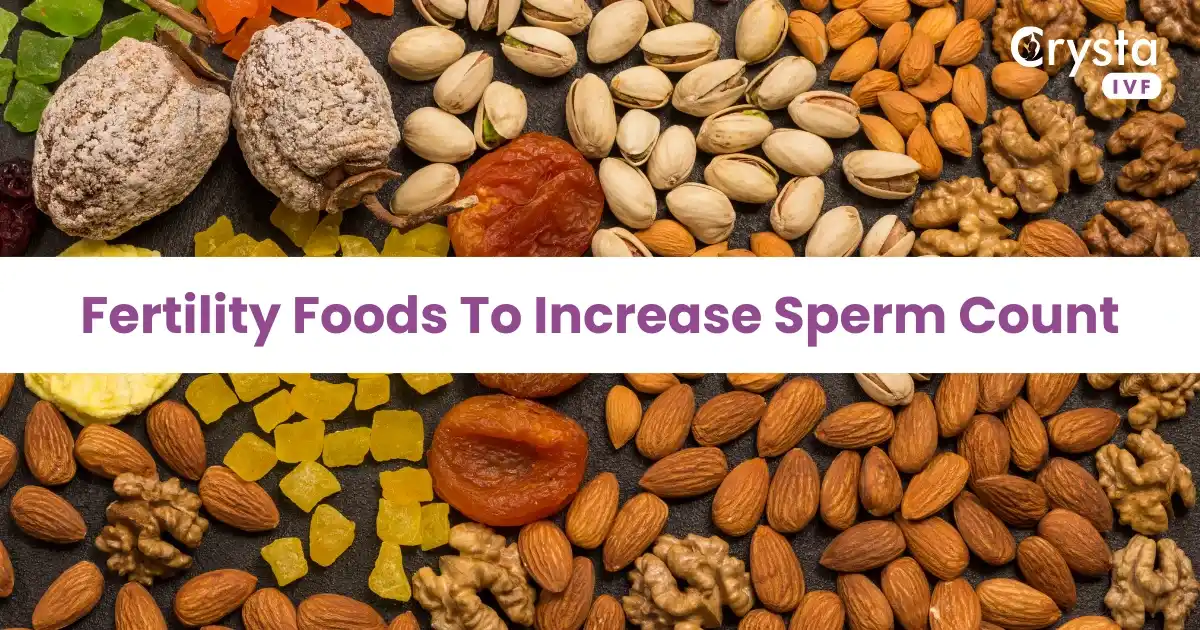
Walnuts are a powerhouse of Omega-3 fatty acids. Regular consumption has been linked to improved sperm vitality and motility. They help regulate the hormones necessary for healthy reproductive function.
2. Tomatoes and Lycopene
Cooked tomatoes are rich in lycopene, a potent antioxidant. Studies suggest that lycopene can significantly improve sperm structure and count, making it a staple for any male fertility diet.
3. Leafy Greens (Spinach and Methi)
Rich in Folate (Vitamin B9), leafy greens help produce strong, healthy sperm. A deficiency in folate can lead to sperm with chromosomal abnormalities, which may hinder conception.

4. Citrus Fruits and Berries
Vitamin C is essential for preventing sperm from “clumping” together (agglutination). Including oranges, lemons, and berries in your daily routine provides the antioxidant boost needed to combat oxidative stress.
5. Seeds and Zinc-Rich Foods
Pumpkin seeds and sesame seeds are excellent sources of Zinc. Zinc is often called the “ultimate fertility nutrient” for men because it is found in high concentrations in the testes and is crucial for testosterone production.
Lifestyle Considerations for Reproductive Success
While superfoods are powerful, they work best when supported by a healthy lifestyle. To improve male fertility naturally, one must also look at external factors that affect the body’s internal environment. Maintaining a healthy BMI (Body Mass Index) between 19 and 24 is critical, as excess weight can lead to hormonal imbalances that suppress sperm production.
We also advise our patients to limit the intake of processed meats, excessive caffeine, and trans fats. These can cause inflammation and negatively impact sperm DNA. Stress management is equally important; chronic stress releases cortisol, which can interfere with the hormones required to produce healthy sperm. Simple habits like consistent sleep and hydration can make a profound difference over a three-month period.
The Forward Path: When to Visit Sidra Family Hospital
Nutrition is a journey, not an overnight fix. It typically takes about 60 to 90 days for new sperm to mature, meaning the dietary changes you make today will show results in about three months. If you and your partner have been trying to conceive for over a year (or six months if over age 35) without success, it may be time for a professional consultation.
At Sidra Family Hospital, our specialized Nutrition and Gynecology departments offer personalized fertility counseling. We provide comprehensive screenings and tailored meal plans designed to improve male fertility naturally while supporting the family’s overall wellness. Do not navigate this path alone; let our expert team provide the compassionate, clinical care your family deserves.
Ready to take the next step? Visit Sidra Family Hospital today and let us help you nourish your path to fatherhood.