
Early Signs of Infertility in Men and Women: The Complete Patient Guide

At Sidra Family Hospital, we believe that every family deserves a healthy start. Building a family is one of life’s most significant milestones, yet for many, the journey involves unexpected hurdles. Understanding the early signs of infertility is not about finding fault; it is about empowering yourself with knowledge to seek timely, expert care.
Infertility is a shared experience that affects millions of couples worldwide. Our specialized Gynecology and Urology departments emphasize that early intervention often leads to the most successful outcomes. By recognizing subtle changes in your body today, you can pave a clearer path toward parenthood tomorrow.
The Translation: What Does Infertility Really Mean?
In clinical terms, infertility is defined as the inability to conceive after one year of regular, unprotected intercourse. However, for women over the age of 35, this window shortens to six months. It is a medical condition of the reproductive system that can affect anyone, regardless of health history.
At Sidra Family Hospital, we translate these clinical definitions into “Family-First” care. We view infertility as a biological puzzle that requires expert investigation. It is rarely the result of a single factor; rather, it is often a combination of hormonal, physical, and lifestyle elements that our team works diligently to balance.
Recognizing Early Signs of Infertility in Women
For women, the reproductive system provides several indicators through the menstrual cycle. Monitoring these early signs of infertility can help identify issues like PCOS (Polycystic Ovary Syndrome) or endometriosis early on.
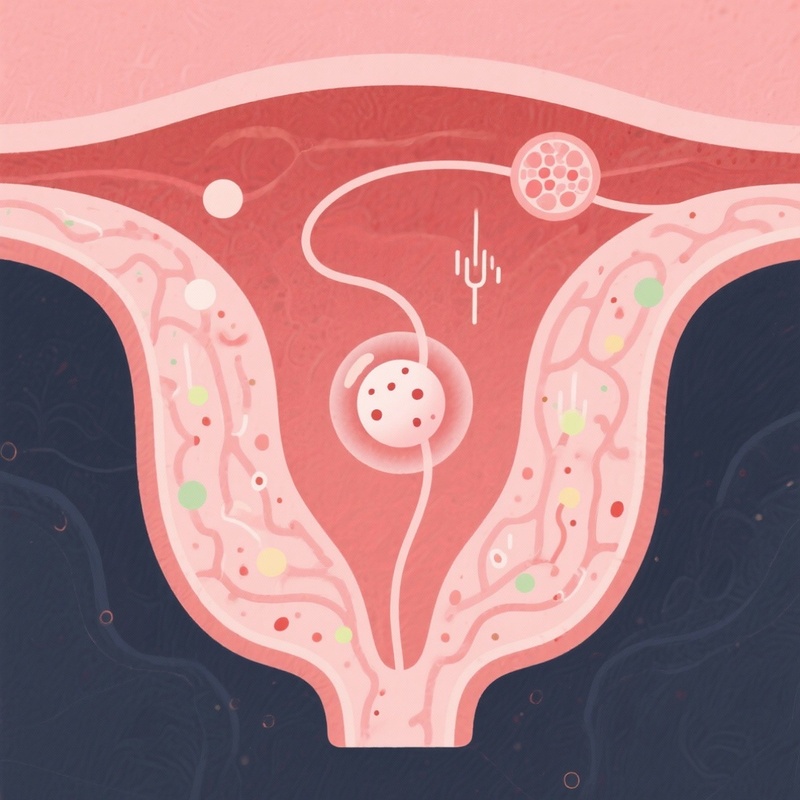
1. Irregular or Absent Menstrual Cycles
The average menstrual cycle is 28 days, though a range of 21 to 35 days is considered normal. If your periods are consistently unpredictable, or if they disappear for months at a time, it may indicate that ovulation is not occurring regularly. Without consistent ovulation, conception becomes significantly more difficult.
2. Severe Pelvic Pain and Heavy Bleeding
While some discomfort is common during menstruation, debilitating pain that interferes with daily life is not. Severe pelvic pain can be a symptom of endometriosis or fibroids, both of which can impact the health of the fallopian tubes or the uterine lining. Similarly, excessively heavy periods may signal underlying hormonal imbalances.
3. Hormonal Fluctuations
Subtle physical changes can point toward hormonal shifts. These include sudden adult acne, thinning hair on the head, or unexpected hair growth on the face or chest. These symptoms are frequently associated with PCOS, one of the most common but treatable causes of female infertility.
Recognizing Early Signs of Infertility in Men
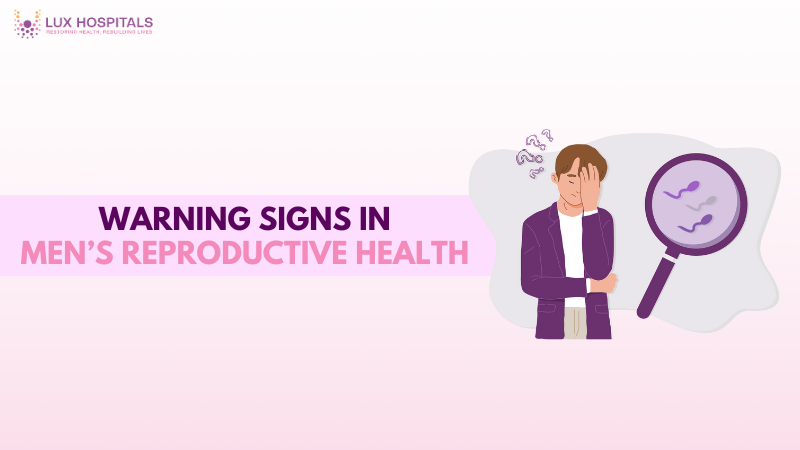
Male fertility is equally important, contributing to approximately 50% of conception challenges. Because male symptoms are often subtle, they frequently go unnoticed until a couple begins actively trying to conceive.
1. Changes in Sexual Function
Difficulties with maintaining an erection or changes in libido (sex drive) can be more than just stress-related. These may indicate low testosterone levels or other hormonal imbalances that affect sperm production. Early awareness of these changes is vital for reproductive wellness.
2. Testicular Pain or Swelling
Physical discomfort in the testicles, such as persistent dull aches or visible swelling, should never be ignored. Lumps or enlarged veins (varicoceles) can increase the temperature within the scrotum, which negatively impacts sperm count and quality.
3. Physical Changes in the Body
A reduction in facial or body hair, or a sudden loss of muscle mass, can be a sign of a chromosomal or hormonal disorder. Our Urology department at Sidra Family Hospital specializes in identifying these physical markers through comprehensive screenings and semen analysis.
The Socio-Economic Impact: A Local Perspective
In the Pakistani context, the journey toward parenthood is deeply intertwined with cultural expectations and family structures. Infertility is often carrying a “silent burden,” where social pressure can lead to emotional distress and marital strain. Many families wait years before seeking medical help due to stigma or the misconception that fertility is solely a female issue.
Economically, delaying treatment can result in more complex and expensive interventions later in life. At Sidra Family Hospital, we advocate for early testing to reduce the long-term financial and emotional cost. By normalizing the conversation around male and female reproductive health, we help families move from uncertainty to action without the weight of social stigma.
The Forward Path: Steps to Success at Sidra Family Hospital
If you recognize any of these early signs of infertility, the first step is a consultation with our compassionate specialists. We provide a supportive environment where your privacy and family goals are our top priority.
1. Comprehensive Diagnostics
We begin with a thorough evaluation for both partners. This includes hormonal blood tests for women and a detailed semen analysis for men. Understanding the “why” behind the delay is the only way to build an effective treatment plan.
2. Nutrition and Lifestyle Optimization
Our Nutrition department works alongside our medical teams to ensure your body is in peak condition for conception. Small changes in diet, weight management, and smoking cessation can significantly improve reproductive outcomes and overall wellness.
3. Advanced Medical Interventions
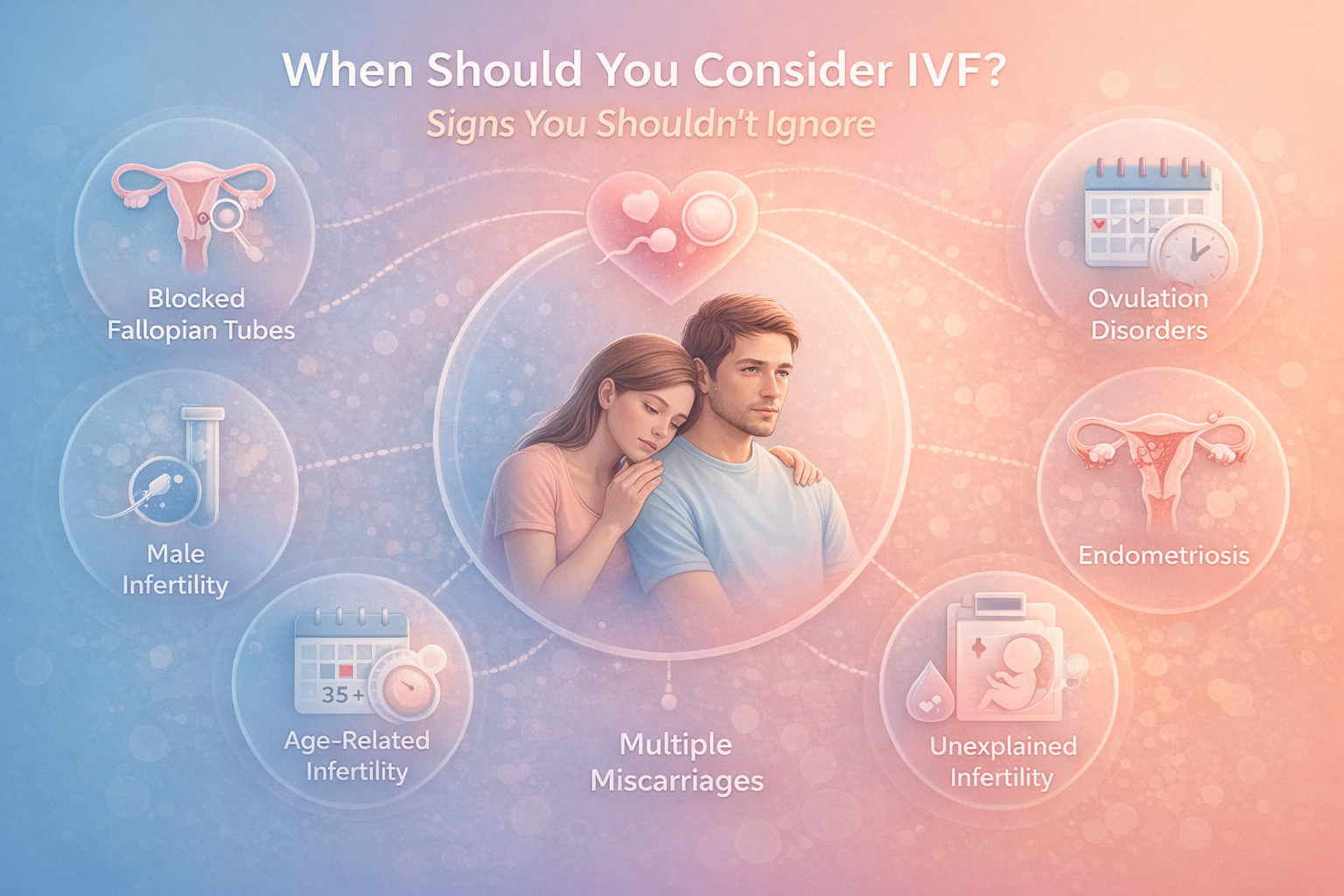
From medication to regulate ovulation to minimally invasive corrective procedures for varicoceles, SFH offers a full spectrum of care. When traditional methods are not enough, our experts guide you through advanced options like IVF (In Vitro Fertilization) with transparency and empathy.
Conclusion: Your Family, Our Mission
The early signs of infertility are invitations to take charge of your future. Whether you are dealing with irregular cycles, hormonal changes, or physical discomfort, remember that you are not alone. Sidra Family Hospital is committed to providing clinical excellence and “Family-First” care to help you achieve the dream of holding your child in your arms.
Do not wait for the “perfect time” to seek answers. If you have concerns, visit Sidra Family Hospital today. Let us help you navigate the journey to parenthood with confidence, hope, and expert medical guidance.