Breaking the Stigma: Mental Health Medication During Pregnancy
The journey to motherhood is often described as a time of joy and anticipation. However, for many women, it is also a period of significant emotional vulnerability. At Sidra Family Hospital (SFH), we believe that maternal emotional well-being is just as critical as physical health.
Understanding the role of mental health medication during pregnancy is essential for families navigating Perinatal Mood and Anxiety Disorders (PMADs). These conditions are clinical medical issues, not reflections of your strength as a parent.
The Translation: Understanding Maternal Mental Health
Medical terms can often feel overwhelming. PMADs is an umbrella term that includes depression, anxiety, and obsessive-compulsive symptoms during or after pregnancy. These are not just “baby blues”; they are chemical shifts in the brain that require professional attention.
One of the most significant breakthroughs in this field is the FDA-approved oral treatment, Zuranolone. Specifically designed for Postpartum Depression (PPD), it offers rapid relief, sometimes in as little as three days. This allows mothers to regain their stability and bond with their infants sooner.
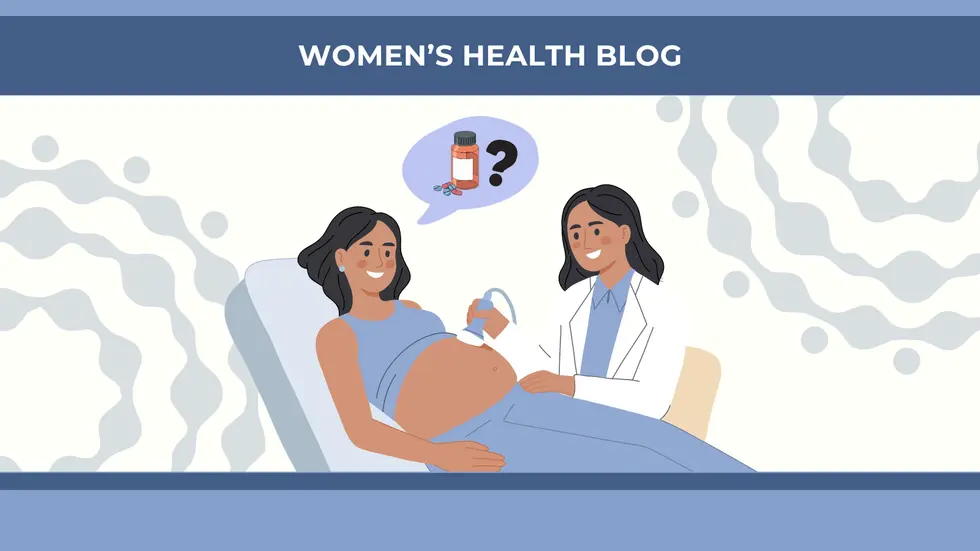
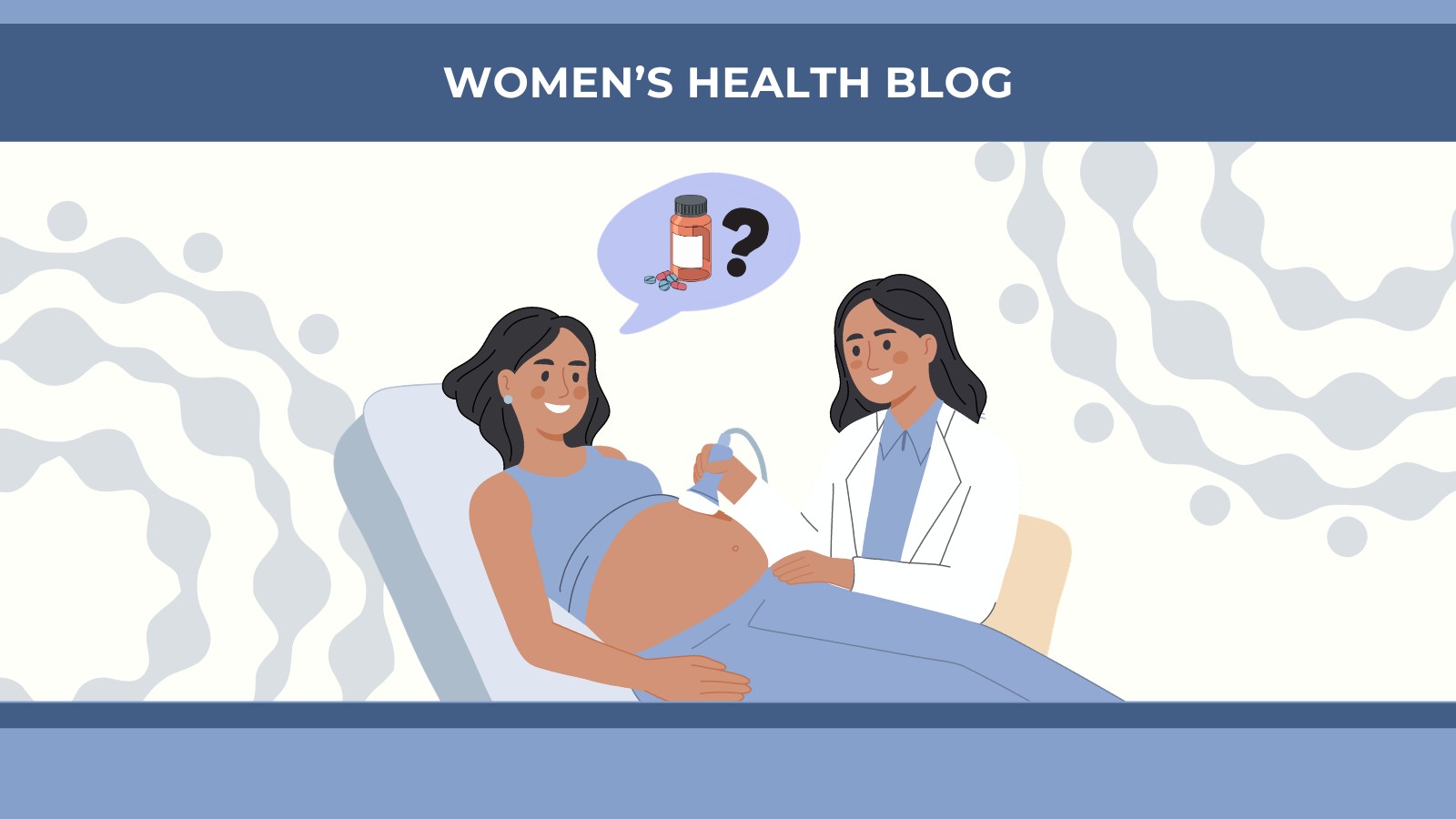
When discussing mental health medication during pregnancy, our specialists prioritize a balanced approach. We weigh the benefits of stability against potential risks, ensuring that both mother and baby are protected. Talk therapy remains a cornerstone, but medication is a vital tool when symptoms are persistent.
Managing the Physical-Emotional Connection
It is impossible to separate the mind from the body during pregnancy. Physical conditions like Gestational Diabetes, Hypertension, and Thyroid Disorders can significantly increase a mother’s stress levels. The constant monitoring of blood sugar or blood pressure can lead to heightened anxiety.
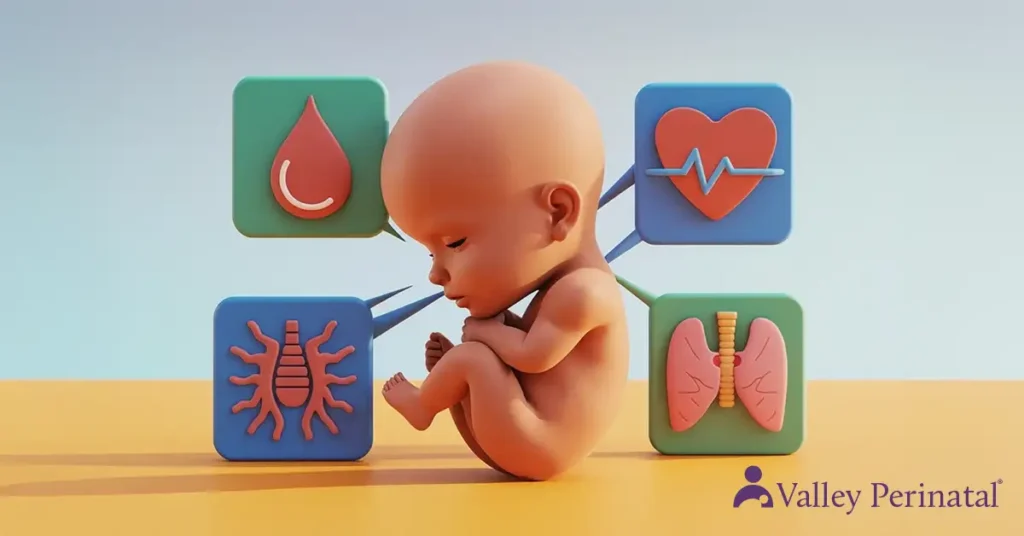
At SFH, our Gynae and Psychiatry departments work in tandem. If a patient is managing Preeclampsia or an autoimmune disorder, we also monitor their emotional resilience. High-risk pregnancies require a “family-first” approach that addresses the psychological toll of physical complications.
The Socio-Economic Impact: Breaking the Silence in Pakistan
In the local Pakistani context, maternal mental health is frequently a “hush-hush” topic. Cultural expectations often demand that new mothers remain “happy and grateful” at all times. This stigma creates a barrier to care, leaving many women to suffer in silence.
The socio-economic impact of untreated maternal depression is profound. It affects household productivity, disrupts the vital mother-baby bond, and can even influence the long-term cognitive development of the child. When a mother cannot function due to severe anxiety or PPD, the entire family unit feels the strain.
By normalizing the conversation around mental health medication during pregnancy, we empower families. Seeking help is an act of courage that preserves the economic and emotional stability of the home. At Sidra Family Hospital, we provide a compassionate, stigma-free environment where your mental health is a priority.
The Forward Path: Steps to Wellness
If you are feeling overwhelmed, remember that you do not have to walk this path alone. There are clear, evidence-based steps you can take to protect your health and your baby’s future.

- Early Screening: Visit our Gynae department for regular prenatal check-ups. We integrate mental health screenings into our routine care to catch symptoms early.
- Integrated Care Plans: If medication is needed, our specialized team will manage it safely, even during breastfeeding. We ensure the dosage of any mental health medication during pregnancy is clinical and precise.
- Holistic Support: Combine medical intervention with nutritional counseling and light exercise. Maintaining physical health helps stabilize mood-regulating hormones.
- Talk Therapy: Engage with our psychiatry specialists for cognitive-behavioral therapy or peer support programs.
When to Visit Sidra Family Hospital
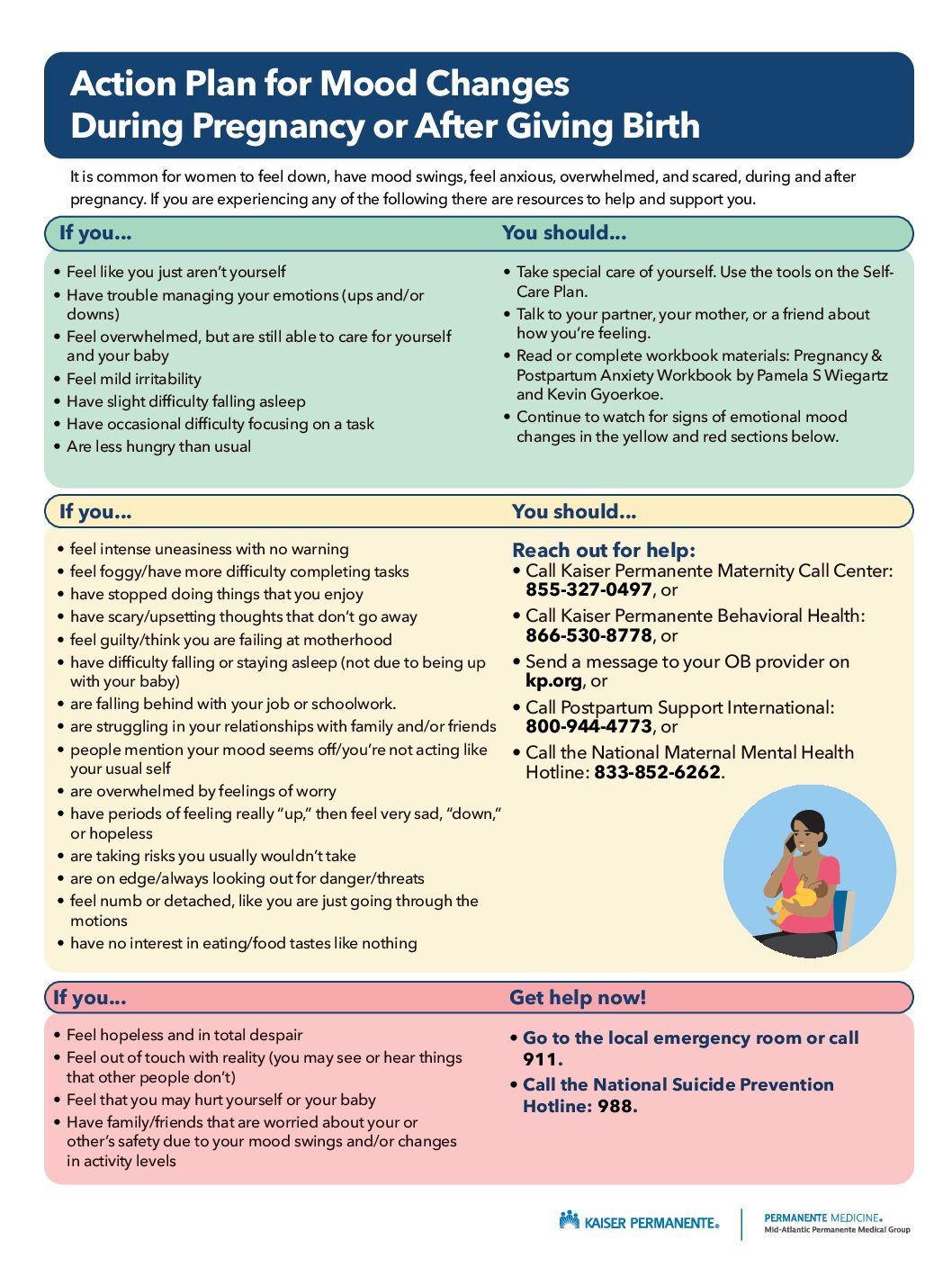
If you experience persistent sadness, intrusive thoughts, or difficulty bonding with your baby for more than two weeks, it is time to reach out. Our Pediatrics and Gynecology teams are dedicated to ensuring a healthy transition for every family member.
Prioritizing your mental health is the greatest gift you can give your child. Contact us today to learn more about our comprehensive maternal care programs and how we can support your journey toward wellness.