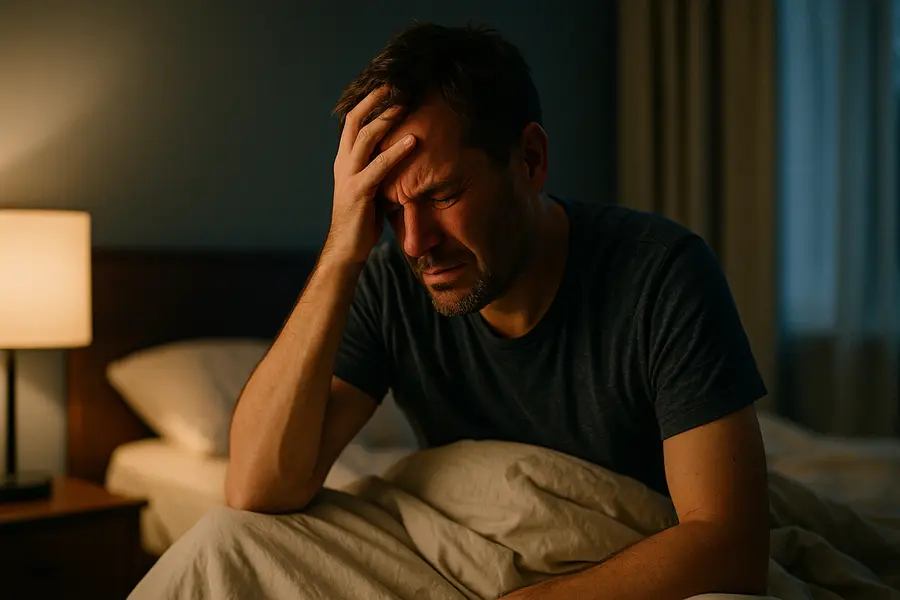
Understanding Nocturnal Panic Attacks: When Anxiety Strikes During Sleep

Waking up in the middle of the night with a racing heart, gasping for air, and a profound sense of impending doom is a terrifying experience. At Sidra Family Hospital, we see many patients who believe they are experiencing a heart attack or a respiratory emergency when, in reality, they are facing nocturnal panic attacks.
Understanding these episodes is the first step toward reclaiming your rest. While these attacks occur without an obvious trigger during sleep, they are highly treatable manifestations of anxiety that respond well to specialized care.
The Translation: What Are Nocturnal Panic Attacks?
Nocturnal panic attacks are sudden waves of intense fear that occur during sleep, typically waking a person from a non-REM state. Unlike a nightmare, which you might remember as a vivid story, a panic attack is purely physiological and emotional. Your body’s “fight-or-flight” response activates at the wrong time, flooding your system with adrenaline while you are in bed.
Common symptoms include sudden heart palpitations, sweating, trembling, and a sensation of choking or shortness of breath. Many patients describe a “jolt” that feels like they have stopped breathing, often referred to as a hypnic jerk or sleep-onset anxiety. These sensations are physically real, even if there is no external danger present.

Distinguishing Panic from Night Terrors
It is crucial to distinguish nocturnal panic attacks from night terrors. Night terrors usually occur in children and involve screaming or thrashing while remaining asleep. In contrast, nocturnal panic attacks occur in adults and adolescents, and the individual becomes fully awake and aware of their intense fear almost immediately.
The Socio-Economic Impact: Anxiety in the Pakistani Context
In our community, the impact of nocturnal panic attacks extends far beyond the individual. Within the local Pakistani context, mental health struggles are often misunderstood or dismissed as simple “weakness” (kamzori) or lack of willpower. This stigma can prevent the head of a household or a busy mother from seeking the help they desperately need.
The economic toll is also significant. Chronic sleep disruption leads to decreased productivity, increased workplace errors, and emotional irritability that can strain the fabric of a close-knit family. When a parent cannot sleep due to nocturnal panic attacks, the entire household’s rhythm is disrupted, affecting everything from children’s school performance to the family’s overall financial stability.
At Sidra Family Hospital, we adopt a “Family-First” approach. We recognize that treating one person’s anxiety helps stabilize the whole family unit. We encourage families to view mental health with the same urgency as physical health, moving past cultural stigmas toward clinical recovery.

Physical Triggers: The Body-Mind Connection
Nocturnal panic attacks are not always purely psychological; they can be triggered by underlying physical conditions. Acid reflux (GERD) is a common culprit. When stomach acid irritates the esophagus during sleep, it can cause chest tightness or a choking sensation that the brain misinterprets as a life-threatening emergency, triggering a full panic response.
Other triggers include caffeine sensitivity, sudden fluctuations in blood sugar, or side effects from certain medications. Identifying these physical stressors is a key part of our diagnostic process at Sidra Family Hospital. By managing physical health, we often see a significant reduction in the frequency of night-time anxiety episodes.
The Forward Path: Reclaiming Your Sleep
Breaking the cycle of nocturnal panic attacks requires a combination of immediate grounding techniques and long-term medical strategy. If you wake up in a panic, do not stay in bed fighting the feeling. Instead, try these steps:
- Nasal Breathing: Practice slow, controlled breathing—inhale through the nose for four counts and exhale for six. This signals your nervous system to calm down.
- The 5-4-3-2-1 Method: Ground yourself by identifying five things you see, four you can touch, and three you hear. This anchors your mind in the present.
- Avoid the “Google Spiral”: Late-night symptom searching fuels health anxiety and makes the attack last longer.
When to Visit Sidra Family Hospital
If nocturnal panic attacks occur more than once a week or if you find yourself scared to fall asleep, it is time for professional intervention. Our Psychiatry and Nutrition departments work together to provide a holistic recovery plan. This may include Cognitive Behavioral Therapy (CBT) to reframe sleep-related fears or short-term medical support to stabilize your nervous system.
Your journey to better sleep starts with a single conversation. Let our family care for yours. Visit us at Sidra Family Hospital to develop a personalized plan that ensures your nights are as peaceful as they are restorative. You do not have to face the darkness alone.