Genetic Hair Loss: Causes, Symptoms, and Restoration Strategies at Sidra Family Hospital
At Sidra Family Hospital, we believe that your hair is a reflection of your overall health and identity. Noticing more hair on your brush or a widening part can be deeply personal and distressing. This guide explores genetic hair loss, offering clarity and clinical solutions for our community.
The Translation: What is Genetic Hair Loss?
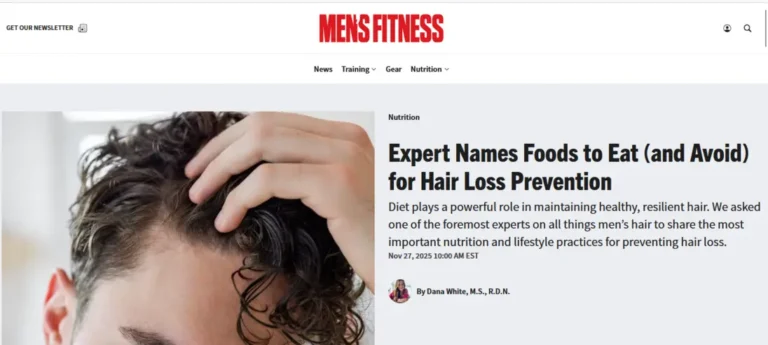
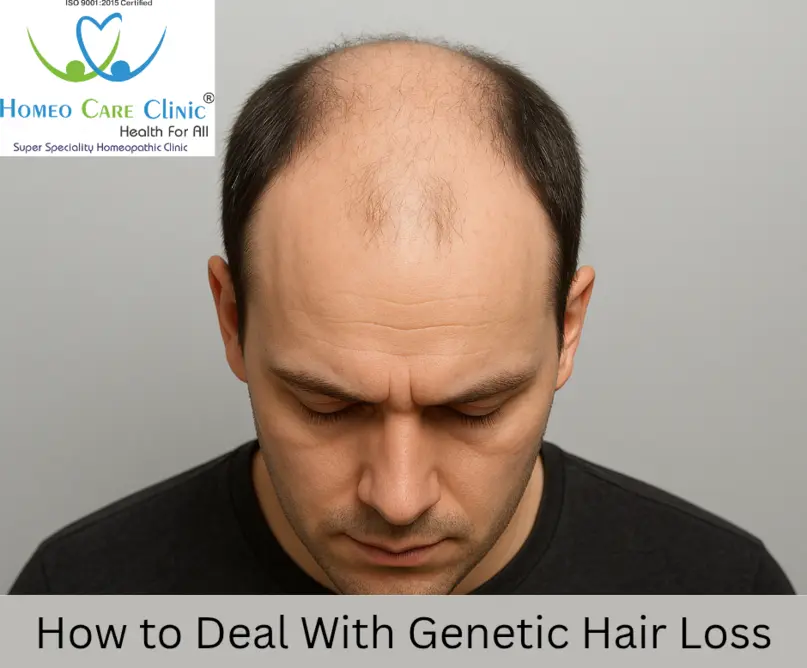
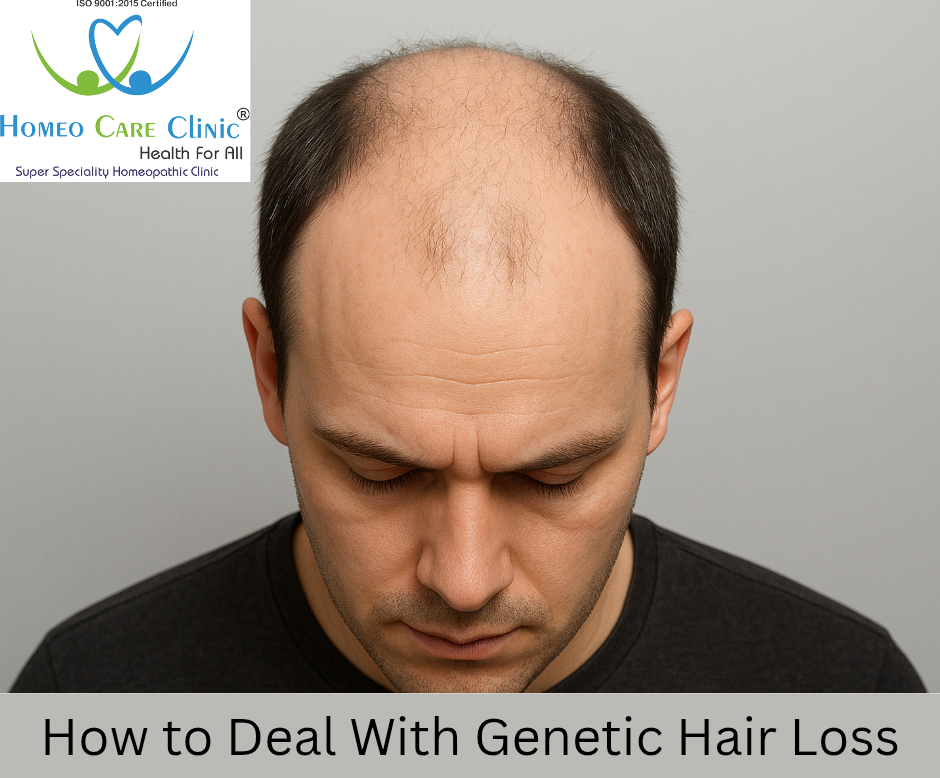
In medical terms, genetic hair loss is known as Androgenetic Alopecia. This condition occurs when your hair follicles become sensitive to a hormone called dihydrotestosterone (DHT). Over time, this sensitivity causes the follicles to shrink, making the hair thinner and shorter until it eventually stops growing.
For men, this often manifests as a receding hairline or crown balding. For women, it typically appears as a diffuse thinning across the top of the scalp. It is important to remember that you are not “losing” hair because of poor hygiene; it is a biological process influenced by your DNA.
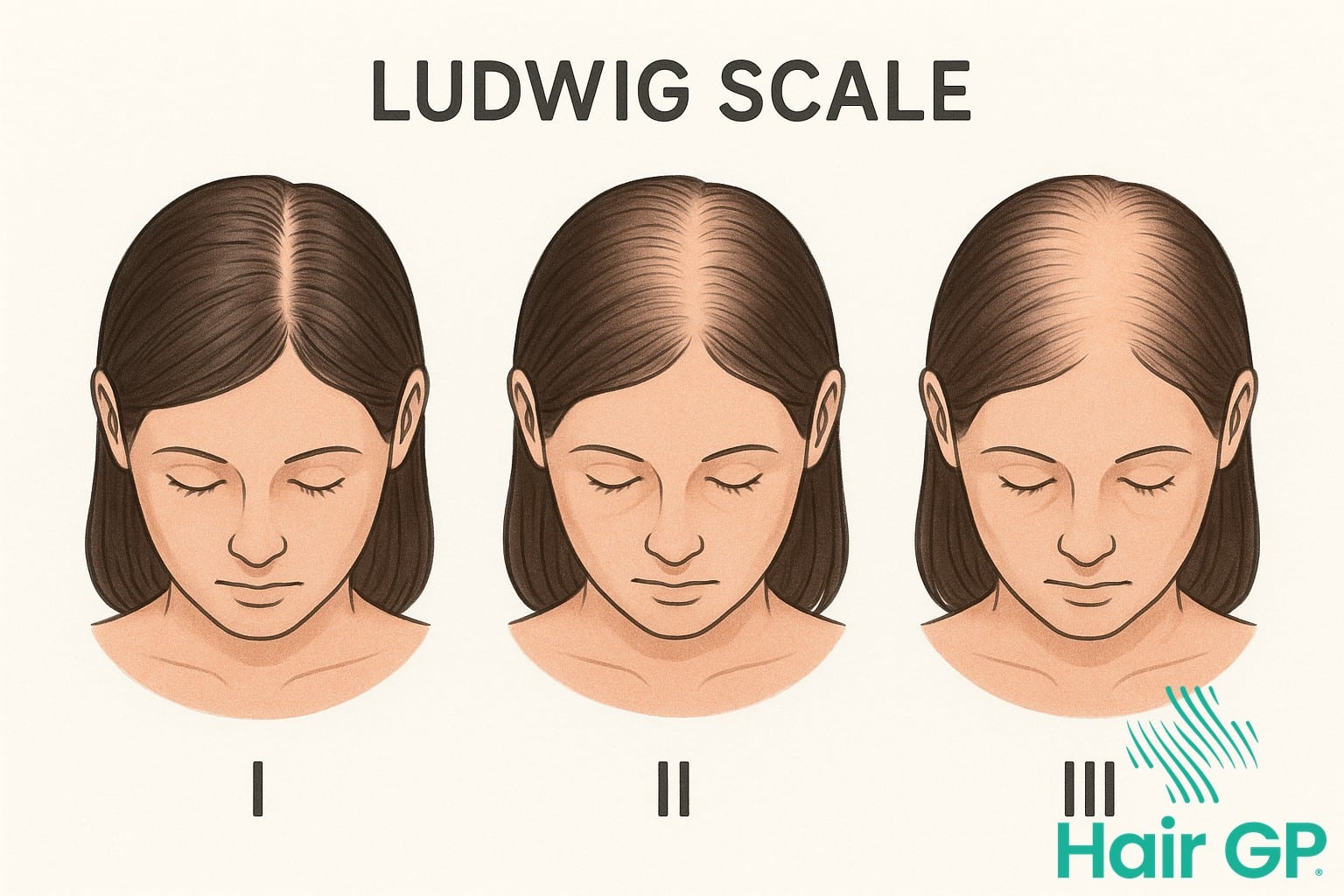
Recognizing the Patterns: The Norwood and Ludwig Scales
Doctors use specific scales to measure the progression of genetic hair loss. The Norwood Scale is used for men, tracking the recession from early temple thinning to advanced loss across the scalp. Early intervention during stages 1-3 often yields the best results.
For women, we use the Ludwig Scale. This focuses on the widening of the middle part. Unlike men, women rarely go completely bald, but the thinning can significantly impact scalp visibility. Our Dermatology and Gynae teams at Sidra Family Hospital work together to identify these patterns early, ensuring a tailored treatment plan.
The Socio-Economic Impact on Pakistani Families
In our local context, hair is often tied to social standing and youth. For young men and women entering the marriage market or professional workforce, genetic hair loss can lead to a significant drop in self-esteem. We often see patients who have spent thousands on “miracle oils” that yield no results, leading to financial strain and frustration.
At Sidra Family Hospital, we emphasize that early medical consultation is more cost-effective than chasing unverified myths. By treating the root cause through clinical means, families can avoid the long-term psychological and financial burden of advanced, irreversible hair loss. We provide a supportive environment where your family’s well-being is our primary concern.
Debunking Common Hair Loss Myths
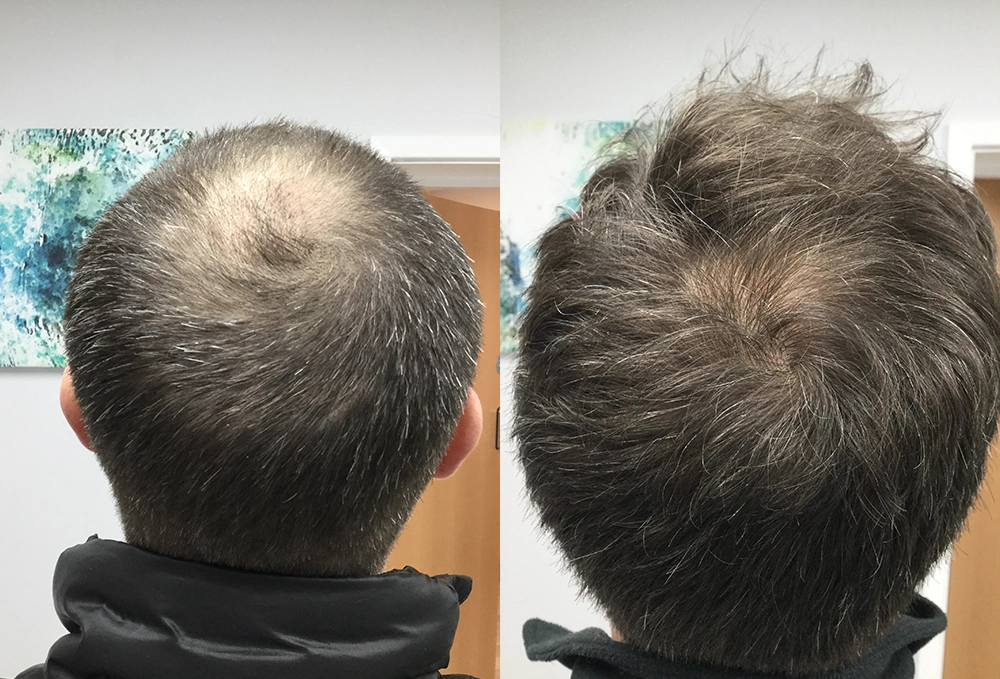
Many believe that wearing hats, helmets, or washing hair frequently causes baldness. These are myths. Genetic hair loss is internal. Similarly, while stress can trigger temporary shedding (Telogen Effluvium), it does not cause the permanent follicle shrinkage seen in androgenetic alopecia.
Another common misconception is that hair loss only affects men. In reality, millions of women suffer from genetic thinning, often exacerbated by hormonal shifts such as PCOS or thyroid imbalances. Our multidisciplinary team ensures these underlying conditions are managed alongside your hair restoration.
Clinical Treatment Options at Sidra Family Hospital
We offer a range of advanced treatments to halt progression and stimulate growth:
- PRP (Platelet-Rich Plasma) Therapy: A revolutionary treatment where your own blood is processed to concentrate growth factors, then injected into the scalp to revitalize dormant follicles.
- Medical Management: FDA-approved medications like Minoxidil and Finasteride to block DHT and increase blood flow to the scalp.
- Nutritional Support: Addressing deficiencies in Vitamin B12, Iron, and Zinc which are crucial for hair strength.
- Homeopathic & Natural Integration: For those seeking holistic paths, we offer guidance on scalp hygiene and natural supplements that support follicle health.
The Forward Path: Prevention and Care
While you cannot change your genetics, you can change how your body responds to them. The key to managing genetic hair loss is consistency and early action. Start by monitoring your hair shedding—finding more than 100 strands on your pillow or in the shower daily is a sign to seek help.
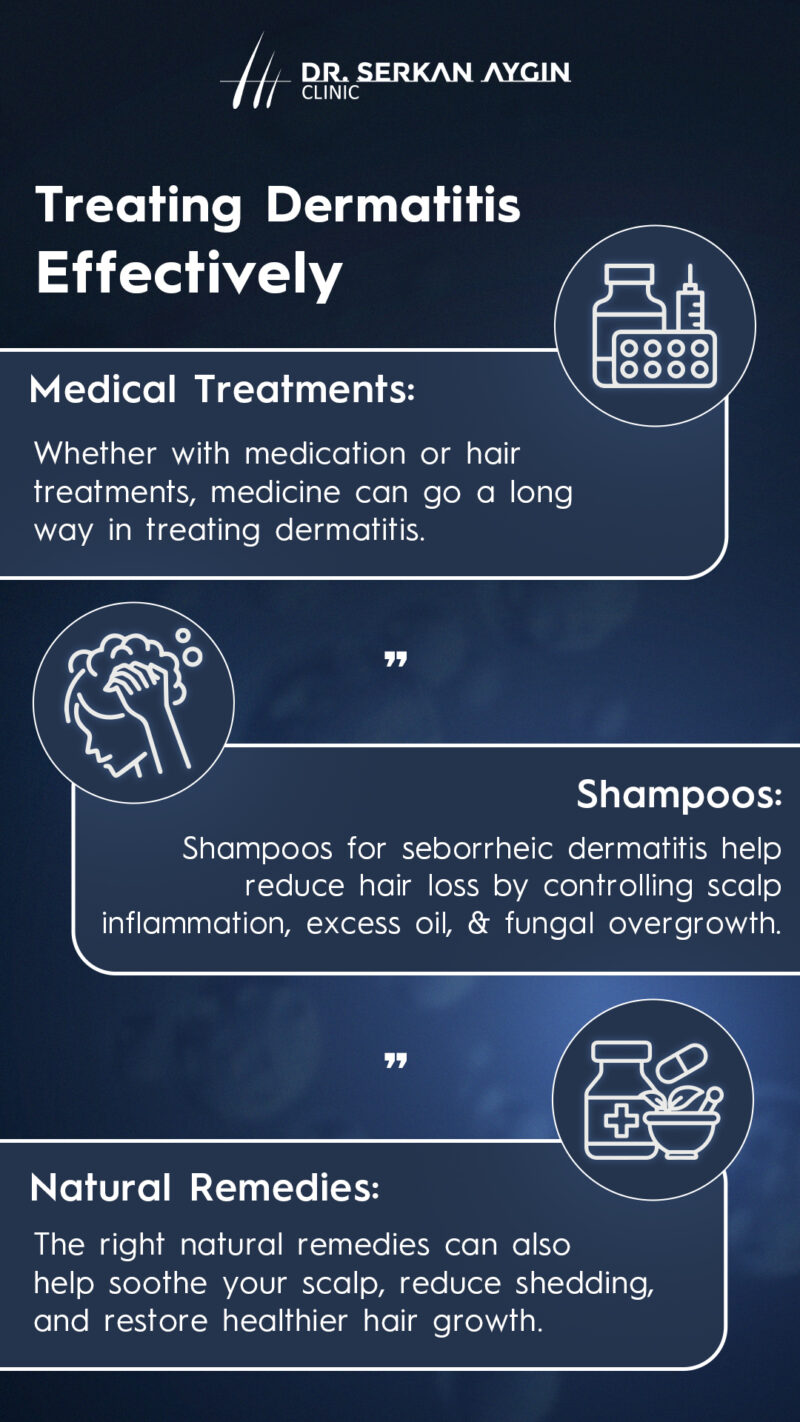
Protect your scalp from infections like Tinea Capitis (fungus) or Seborrheic Dermatitis, as inflammation can accelerate thinning. Ensure a diet rich in proteins and antioxidants. Most importantly, consult with a specialist before the follicles become permanently scarred.
When to Visit Sidra Family Hospital
If you notice a widening part, a receding hairline, or sudden patchy loss, our experts are here to help. From our Pediatrics department managing premature graying in teens to our Gynae and Dermatology teams addressing adult thinning, Sidra Family Hospital offers a family-first approach to hair health. Reclaim your confidence and protect your heritage today.