Laser Treatment for Dark Skin: A Doctor-Led Authority Guide

Laser Treatment for Dark Skin: A Doctor-Led Guide for Safe Results
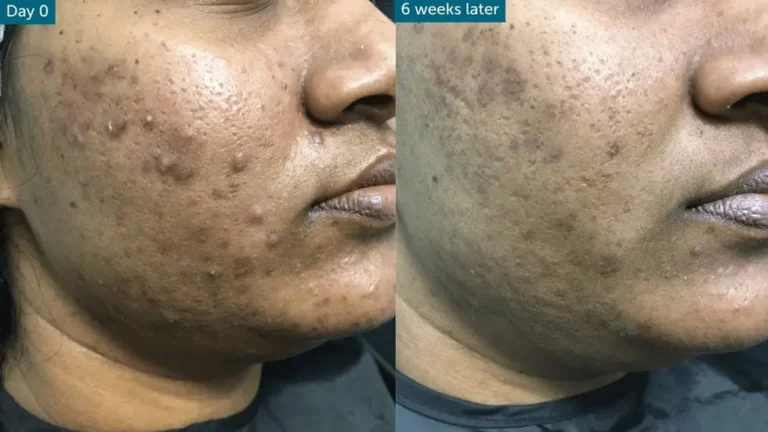
At Sidra Family Hospital, we believe that everyone deserves access to advanced aesthetic care without compromising safety. For many years, there was a misconception that laser treatments were only for those with lighter skin tones. Today, medical advancement has made laser treatment for dark skin not only possible but highly effective when performed by expert clinicians.
Our Dermatology Department serves the diverse communities of Harpenden, St Albans, and Luton. We recognize that richly pigmented skin requires a specialized approach. Our “family-first” philosophy means we prioritize the long-term health of your skin over quick, aggressive results.
The Translation: Understanding Melanin and Light
To understand why laser treatment for dark skin requires such care, we must look at how lasers work. A laser produces a concentrated beam of light that is absorbed by a specific target, such as the pigment in hair or a dark spot. In lighter skin, the contrast between the target and the surrounding skin is high, making the target easy to “see.”
In skin of colour, there is a higher concentration of melanin in the surrounding tissue. If an incorrect laser is used, the skin itself absorbs too much energy. This can lead to “The Translation” of energy into heat where it isn’t wanted, potentially causing burns or Post-Inflammatory Hyperpigmentation (PIH). At Sidra Family Hospital, we use technology that “bypasses” the surface melanin to reach the intended target safely.
The Socio-Economic Impact: Confidence and Community
In our local Pakistani and South Asian communities, skin health is often tied to social confidence and heritage. Issues like unwanted hair or uneven skin tone can cause significant emotional distress, especially leading up to major family milestones like weddings or religious celebrations.
The socio-economic impact of a “botched” laser procedure can be devastating. Improper treatments at cut-price clinics often result in scarring that requires expensive corrective therapy and causes long-term self-consciousness. By choosing a doctor-led facility like Sidra Family Hospital, families invest in safety. We help our patients achieve the glowing skin they desire, allowing them to participate fully and confidently in their community life without the fear of medical complications.

Is There a “Best” Laser for Dark Skin?
Not all lasers are created equal. For many years, the industry standard was the Alexandrite laser, which is excellent for light skin but risky for darker tones. In clinical practice, the “Gold Standard” for laser treatment for dark skin is the Long-Pulsed Nd:YAG laser.
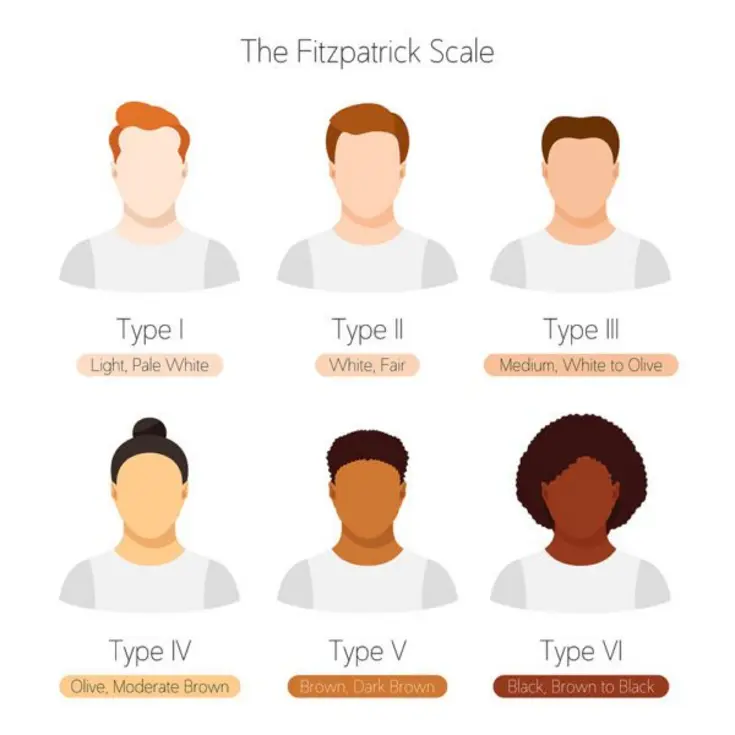
The Nd:YAG laser uses a longer wavelength (1064nm) that penetrates deeper into the skin, safely bypassing the melanin in the epidermis. This allows us to treat the hair follicle or the vascular concern without damaging the surface. When combined with advanced cooling systems, the Nd:YAG provides a comfortable and safe experience for patients with Fitzpatrick Skin Types IV, V, and VI.
Frequently Asked Questions
Is laser treatment safe for dark skin?
Yes, it is extremely safe provided it is performed with the correct equipment (like the Nd:YAG laser) and by a trained medical professional. At Sidra Family Hospital, safety is our primary metric of success.
Can laser cause hyperpigmentation in dark skin?
If the settings are too aggressive or the wrong wavelength is used, yes. This is why our doctors use conservative settings and focus on gradual improvement rather than “one-hit” aggressive treatments.
Should skin typing be done before laser treatment?
Absolutely. Every patient at Sidra Family Hospital undergoes a rigorous skin typing assessment using the Fitzpatrick Scale. This ensures the laser settings are customized specifically to your unique biology.
The Forward Path: Your Journey to Radiant Skin
The path to safe results starts with education and patience. We advise all our patients from Luton and St Albans to avoid “quick fix” promises. Here is the recommended forward path for anyone considering laser treatment for dark skin:
- Consultation: Meet with our dermatologists to discuss your medical history and skin goals.
- Patch Testing: We always perform a test patch to see how your skin reacts to the laser before proceeding with a full session.
- Sun Protection: Protecting your skin from the sun before and after treatment is vital to prevent pigment changes.

If you have been hesitant about laser treatments due to your skin tone, we invite you to experience the Sidra difference. Our medical team is here to provide the expert, compassionate care your family deserves. Contact Sidra Family Hospital today to schedule your specialized skin assessment.
References
1. Journal of Clinical and Aesthetic Dermatology: Laser Safety in Skin of Colour.
2. British Association of Dermatologists: Guidelines for Laser Hair Removal.
3. Fitzpatrick, T.B. (1988). The validity and practicality of sun-reactive skin types I through VI.