
Wise Mind DBT: A Holistic Guide to Your Child’s Emotional Balance
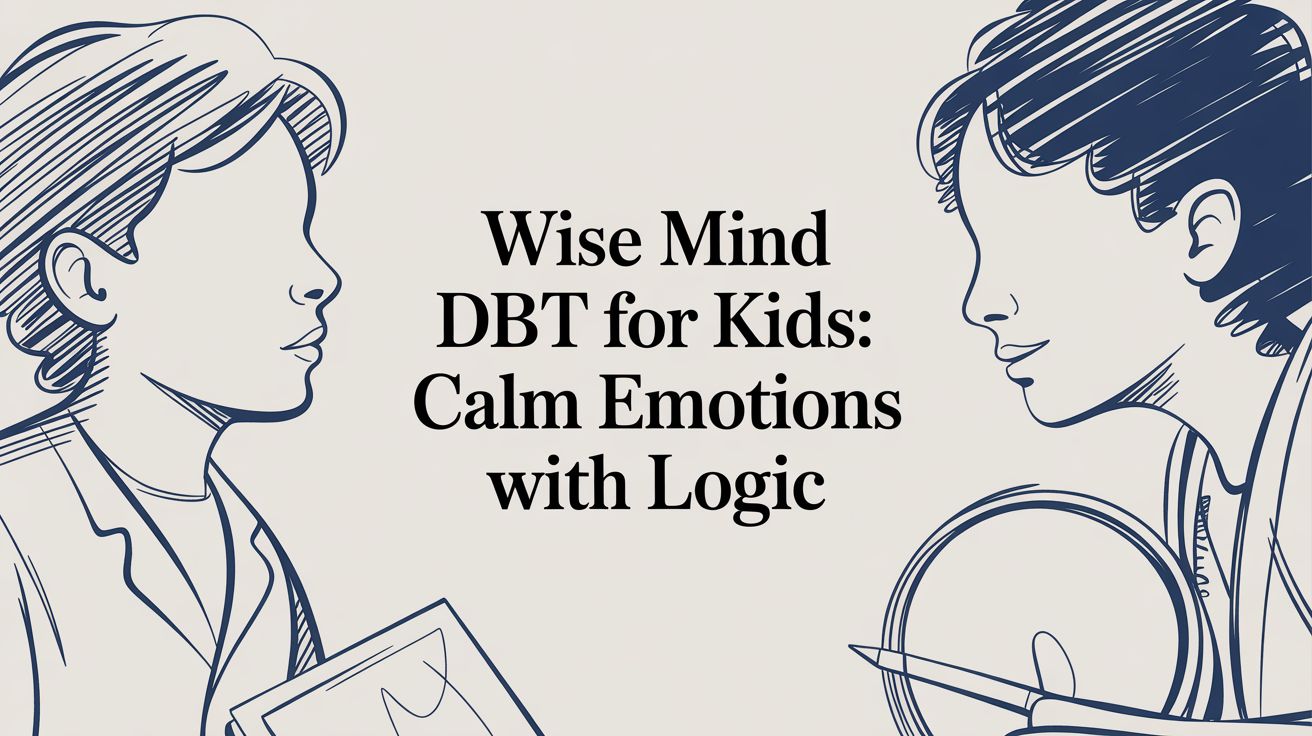
Understanding The Wise Mind In DBT
Every parent knows the struggle of a child caught in a “meltdown”—that moment where logic fails and emotions take the driver’s seat. In Dialectical Behavior Therapy (DBT), we call this the Emotional Mind. On the other end of the spectrum is the Reasonable Mind, where facts rule and feelings are ignored.
The goal of Wise Mind DBT is to find the “middle path.” This is the intersection where logic and emotion meet, allowing for intuition and calm decision-making. At Sidra Family Hospital, we believe that helping a child find their Wise Mind is the key to lifelong resilience.
The Translation: What is Wise Mind DBT?
To put it simply, the Wise Mind is your child’s “inner wisdom.” It is the mental state where they can acknowledge their feelings without being overwhelmed by them, while also using their logic to solve problems. Imagine a child who is upset because they lost a game.
In the Emotional Mind, they might scream or throw a toy. In the Reasonable Mind, they might coldly list the reasons why the game was unfair. In the Wise Mind, they say, “I am really sad that I lost, but I know it’s just a game and I can try again next time.” This balance is a skill that can be taught and strengthened over time through specific exercises and healthy habits.
The Socio-Economic Impact: Emotional Resilience in Pakistan
In the Pakistani context, the pressure on children and teens is immense. From high-stakes academic competition to the rapid influx of digital media, our youth are facing unprecedented stress. For many families, mental health concerns are often misunderstood or overlooked due to social stigma or financial constraints.
When children lack emotional regulation skills like Wise Mind DBT, the impact ripples through the family. It can lead to strained household relationships, poor school performance, and long-term anxiety. By integrating mental wellness with affordable nutritional foundations—like using accessible local proteins—we can provide every child with a fair chance to succeed regardless of their background.

Practical Wise Mind Exercises Your Family Can Use Today
Building a Wise Mind starts with simple, daily habits. For younger children, try “Mindful Listening.” Have them sit quietly for one minute and identify three different sounds they hear—the hum of a fan, a bird outside, or a car passing. This helps anchor them in the present moment.
For teenagers, guided journaling is highly effective. Encourage them to write down a situation that bothered them, listing the “Facts” (Reasonable Mind) on one side and their “Feelings” (Emotional Mind) on the other. Then, ask them what their Wise Mind would suggest as a solution. This practice builds the neural pathways necessary for emotional maturity.
Creating A Brain-Healthy Environment At Home
At Sidra Family Hospital, our Pediatrics and Nutrition departments emphasize that mental health is physically rooted in the brain. A brain that is under-nourished or over-stimulated by screens cannot easily access the Wise Mind. Excessive screen time can overstimulate the brain’s reward system, making emotional regulation much harder.
We recommend prioritizing tactile learning and physical books to boost literacy and focus. Simultaneously, focus on “brain fuel.” Eggs are a powerhouse for children, rich in choline, which supports memory and emotional stability. Incorporating Omega-3 fatty acids from nuts and seeds, and magnesium from leafy greens (like palak), helps naturally regulate the nervous system.

The Forward Path: Steps to Emotional Balance
The journey to a balanced Wise Mind DBT approach begins with small, consistent changes at home. Start by establishing a “Screen-Free Hour” before bed to allow the brain to decompress. Introduce a protein-rich breakfast, such as eggs or daal, to ensure stable energy levels throughout the school day.
If your child continues to struggle with frequent outbursts, gaze aversion, or intense anxiety, it may be time to seek professional support. At Sidra Family Hospital, we offer an integrative treatment plan that combines behavioral therapy with nutritional counseling and, when necessary, medical guidance. Our “Family-First” approach ensures that you are never alone in supporting your child’s development.
Your Questions About Wise Mind, Answered
At What Age Can My Child Start Learning Wise Mind Skills?
While formal Wise Mind DBT is often introduced in the pre-teen years, the foundational concepts of mindfulness and emotional awareness can begin as early as age 4 or 5 through play and simple breathing exercises.
How Long Does It Take To See Changes?
Consistency is key. While some families notice a calmer atmosphere within a few weeks of implementing mindful habits and better nutrition, deep emotional resilience is a life-long skill that grows as the child matures.
Can We Practice Wise Mind At Home Without A Therapist?
Yes! Many of the exercises, such as mindful breathing and nutritional shifts, are excellent tools for any family. However, for children facing significant behavioral challenges, working with our specialists at SFH can provide the structured guidance needed for success.