Understanding Neurotic Depression (Dysthymia): A Guide for Families
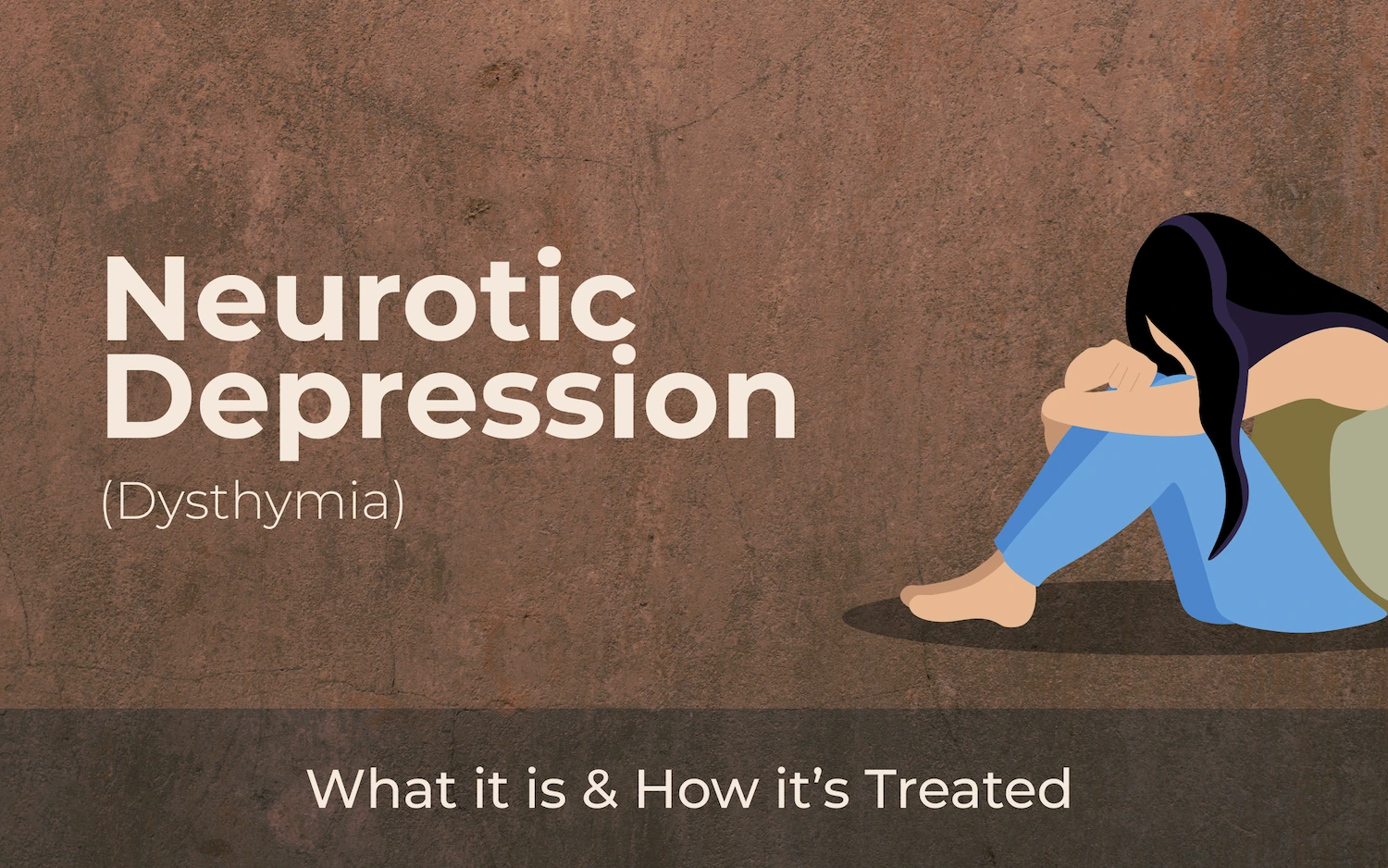
At Sidra Family Hospital, we often meet patients who describe feeling “fine but tired” for years. They manage their daily chores and go to work, yet the joy of life seems to have evaporated. This isn’t just a series of bad days; it is often a clinical condition known as Neurotic Depression (Dysthymia).
Dysthymia, or Persistent Depressive Disorder (PDD), is a chronic form of depression. While its symptoms may not be as acute as Major Depressive Disorder, its longevity makes it incredibly draining for the patient and their family.
What Is Dysthymia (Neurotic Depression)?
Neurotic Depression is characterized by a low mood that lasts for at least two years in adults. It is a “smoldering” depression—it doesn’t always stop you from functioning, but it prevents you from thriving. Patients often feel like they are living life in shades of grey.
The primary difference between Major Depression and Dysthymia is intensity versus duration. While major depression hits like a storm, Dysthymia is like a constant, drizzling rain that eventually soaks through everything in your life.
Common Symptoms to Watch For
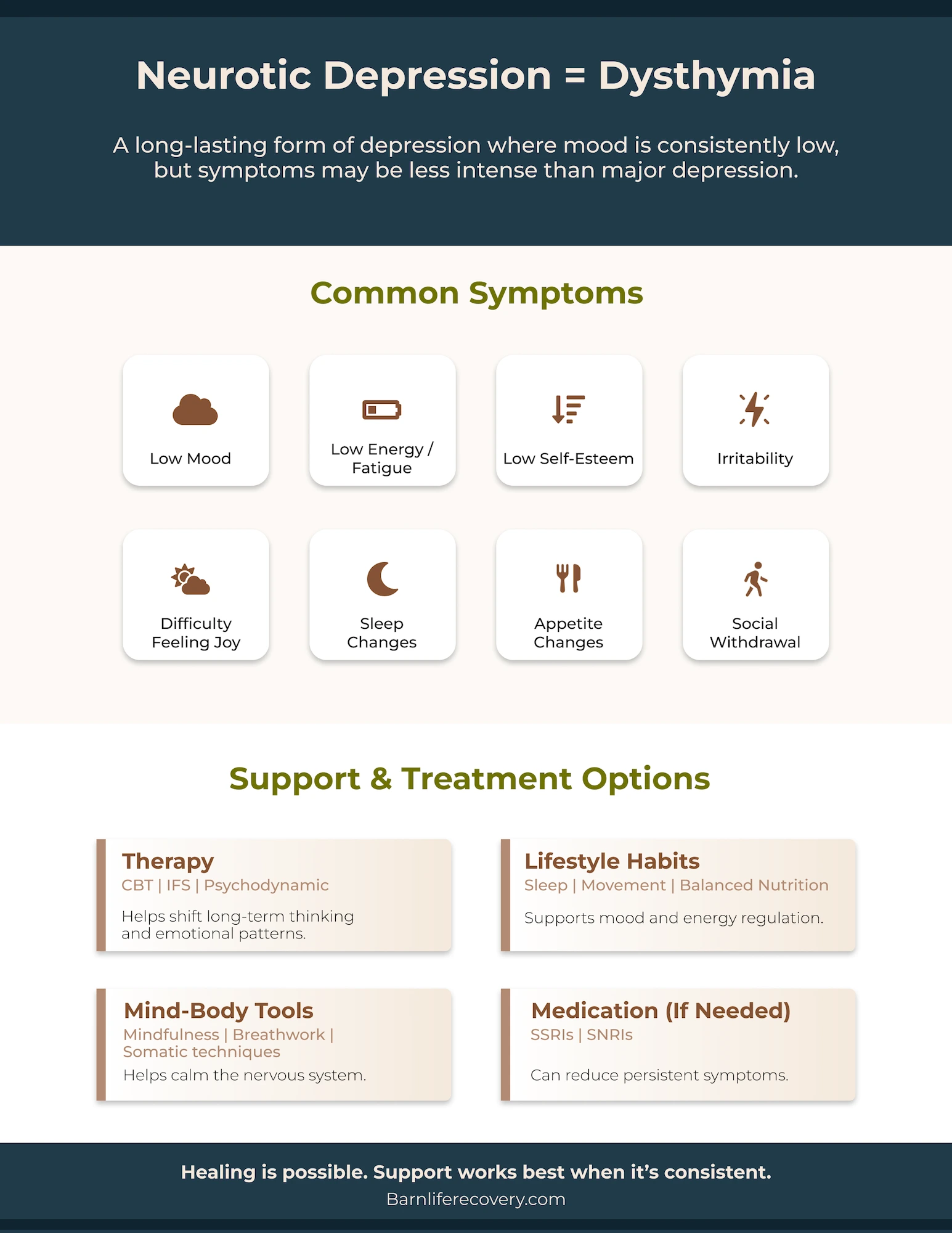
- Persistent low energy or fatigue that doesn’t resolve with sleep.
- Chronic bone pain or muscle aches without a clear physical cause.
- Changes in appetite, often linked to “emotional eating.”
- Low self-esteem and a constant “inner critic.”
- Difficulty concentrating or making simple family decisions.
- Feelings of hopelessness or “functional sadness.”
The Nutritional Connection: Why “Bone Pain” Matters
At Sidra Family Hospital, our Medicine and Nutrition departments have observed a significant link between mental health and physical deficiencies. Many patients diagnosed with Neurotic Depression also suffer from severe Vitamin D deficiency.
Vitamin D is not just for bones; it is a pro-hormone essential for serotonin production—the brain’s “feel-good” chemical. When your levels are low, you may experience “bone pain” and “fatigue,” which mirror the physical symptoms of depression.

Furthermore, for patients on modern weight-management treatments like GLP-1 agonists, nutritional monitoring is vital. Reduced appetite can lead to gaps in B-complex and Omega-3 intake, potentially worsening mood stability. We recommend baseline screenings for all family members to ensure your “sehhat” (health) is built on a strong foundation.
The Translation: Explaining the Grey Fog
In simple terms, Neurotic Depression is like carrying a heavy invisible backpack everywhere you go. You can still walk, talk, and work, but you are constantly exhausted by the extra weight.
We call it the “Grey Fog” because it clouds your perspective. You might forget what it feels like to be truly excited or deeply relaxed. Because the symptoms are low-grade, many people assume this is just their “personality,” but it is a treatable medical condition.
The Socio-Economic Impact: A Pakistani Perspective
In the local Pakistani context, Neurotic Depression (Dysthymia) has a profound impact on the family unit. We often see the “silent sufferer”—the breadwinner who works through exhaustion or the homemaker who manages the house despite persistent bone pain and low mood.
Cultural stigma often leads families to dismiss these symptoms as “laziness” or a “lack of faith.” This delay in seeking care can lead to decreased workplace productivity and strained marital relationships. When one parent suffers from Dysthymia, it affects the emotional development of the children, creating a cycle of “functional sadness” within the home.
Investing in mental health and nutritional screenings at Sidra Family Hospital isn’t just a medical choice; it is an economic one. A healthy, vibrant parent is the backbone of a thriving household.
The Forward Path: Restoring Your Vitality
Recovery from Neurotic Depression requires a holistic approach. At Sidra Family Hospital, we don’t just prescribe a pill; we look at your entire lifestyle. The path forward includes:
- Clinical Screening: Comprehensive blood work to check Vitamin D, B12, and Magnesium levels.
- Nutritional Support: Tailored diets rich in Omega-3 (EPA) and gut-healthy probiotics.
- Psychotherapy: Talk therapy to address the “neurotic” thought patterns and personality traits.
- Movement: Regular physical activity to naturally boost endorphins and strengthen bones.
- Professional Consultation: Meeting with our specialized Nutrition and Gynae/Pediatrics departments for family-wide wellness.
If you or a loved one has felt “low” for more than a few months, don’t wait for the storm to break. Early intervention can restore your energy and bring color back to your world. Visit Sidra Family Hospital today for a compassionate consultation—because your family’s health is our primary mission.