
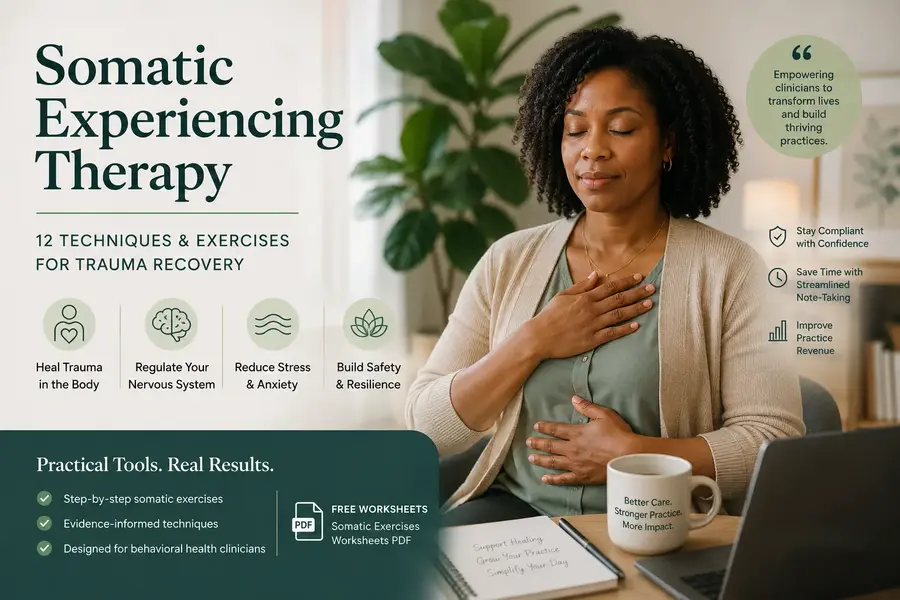
Somatic Experiencing Therapy: A Body-Centered Path to Trauma Recovery at Sidra Family Hospital
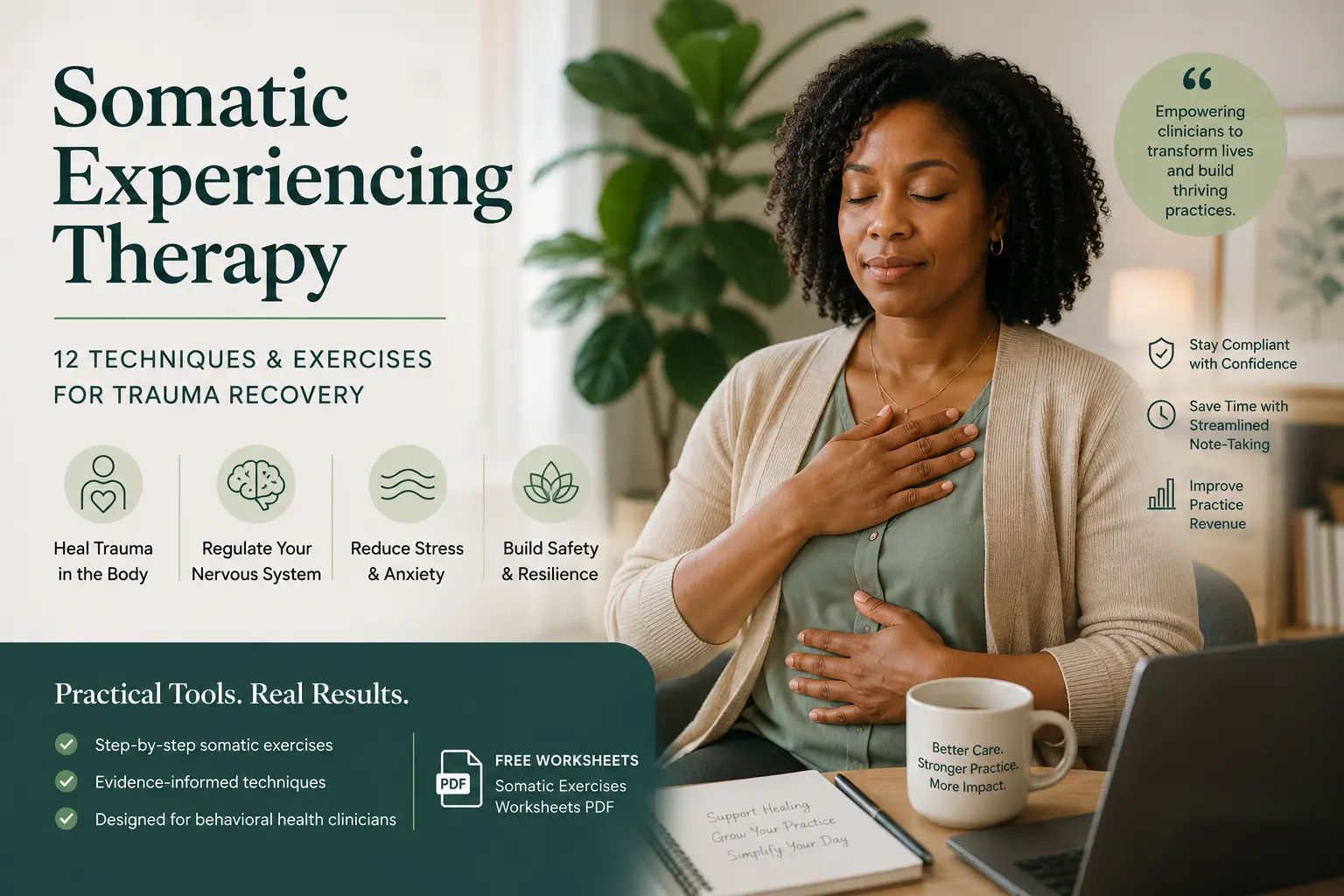
Emotional trauma is rarely just a memory; it is a physical experience. For many families visiting Sidra Family Hospital, trauma manifests as chronic tension, unexplained fatigue, or a persistent sense of unease that talk therapy alone cannot resolve. This is where Somatic Experiencing Therapy offers a revolutionary path to healing.
By focusing on the body’s internal sensations rather than just the narrative of the past, Somatic Experiencing Therapy helps patients release the “trapped” survival energy that keeps them in a state of hyper-arousal or shutdown. At Sidra Family Hospital, our Psychiatry and Behavioral Health department integrates these body-centered techniques to help families move from survival mode to lasting wellness.
The Translation: Understanding Somatic Experiencing Therapy
In medical terms, trauma occurs when our autonomic nervous system (ANS) becomes overwhelmed by a threat and cannot complete its natural protective response (fight, flight, or freeze). While traditional psychotherapy focuses on the “top-down” approach (changing thoughts to change feelings), Somatic Experiencing Therapy utilizes a “bottom-up” approach.
This means we start with the body’s physical sensations. Instead of asking “What are you thinking?” a clinician might ask, “What do you notice in your chest right now?” By identifying areas of tension, warmth, or numbness, patients learn to gently discharge the stored energy of past stressors. This process allows the nervous system to return to a state of balance and resilience.
The Socio-Economic Impact: Trauma in the Pakistani Context
In Pakistan, the impact of trauma often ripples through entire households. Socio-economic pressures, community-wide stressors, and the cultural stigma surrounding mental health can lead families to internalize pain. When a parent or child struggles with unresolved trauma, it often manifests as “physical illness” (somatization), leading to frequent, costly visits to various specialists for headaches or digestive issues that have no clear medical cause.
The economic burden of untreated trauma is significant, affecting workplace productivity and academic performance for children. By utilizing Somatic Experiencing Therapy, Sidra Family Hospital aims to break this cycle. We believe that a healthy family is the bedrock of a prosperous community. Helping one individual regulate their nervous system creates a “calm-down” effect for the entire family unit, reducing healthcare costs and improving quality of life across generations.
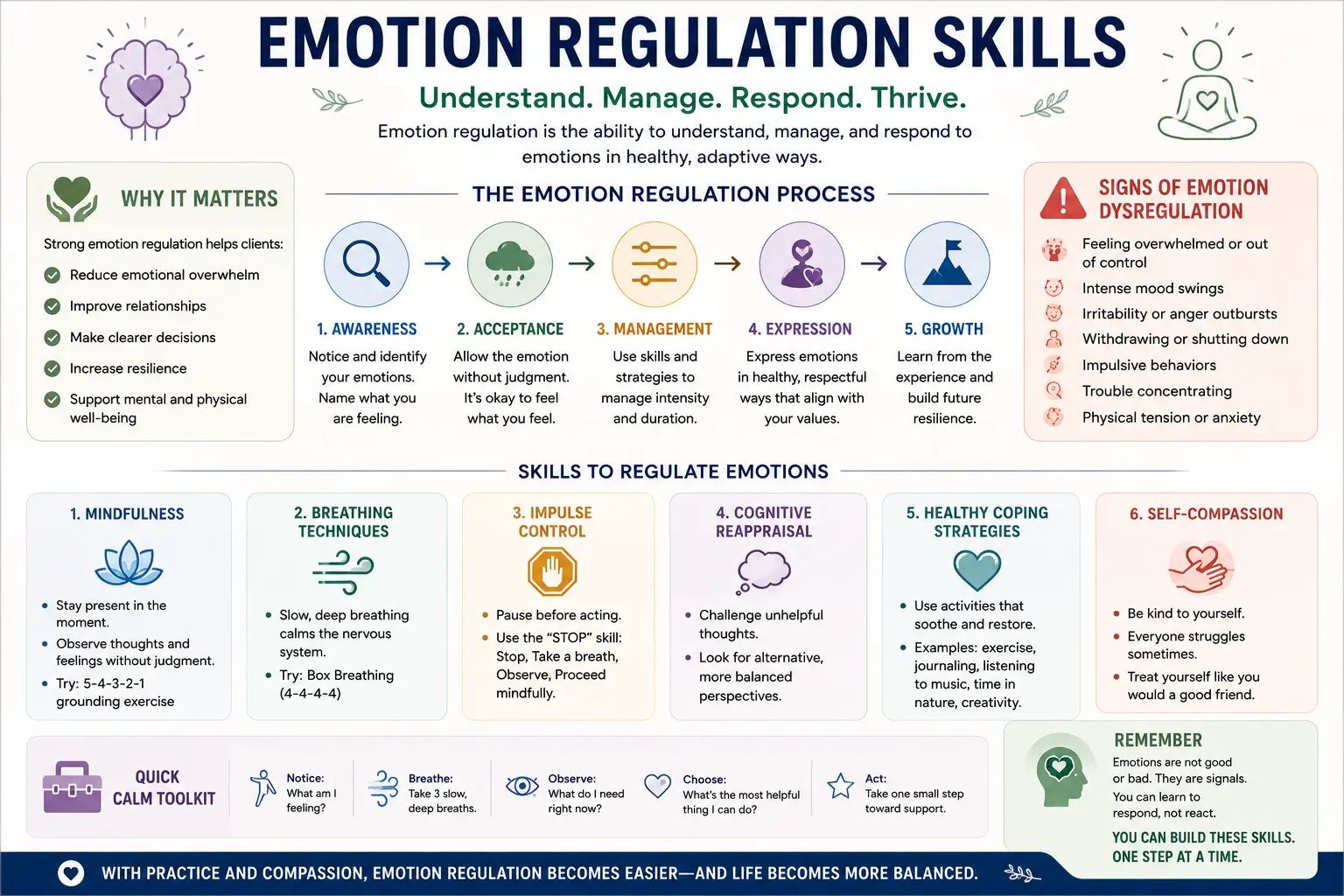
12 Core Techniques of Somatic Experiencing Therapy
Healing is a gradual process. Our specialists often introduce these 12 exercises to help patients reconnect with their bodies safely:
- Pendulation: Shifting attention between a place of discomfort and a place of strength in the body.
- Titration: Processing trauma in tiny, manageable “drops” to avoid overwhelming the system.
- Somatic Tracking: Observing physical sensations with curiosity rather than fear.
- Grounding: Focusing on the physical contact between the body and the floor or chair.
- Resourcing: Recalling positive memories or people that create a sense of internal safety.
- Containment: Using self-touch (like a hug) to feel the physical boundaries of the body.
- Noticing Physical Comfort: Purposely finding a part of the body that feels “neutral” or “good.”
- Self-Soothing Touch: Gentle pressure on the heart or belly to signal safety to the brain.
- Soothing Breath: Focusing on the natural rhythm of breathing without forcing change.
- Evoking Kindness: Using self-compassion to soften internal criticism.
- The Voo Sound: Making a deep vibrating sound to stimulate the vagus nerve.
- Shake It Off: Allowing the body to shake or tremble to release pent-up energy.
The Forward Path: Healing at Sidra Family Hospital
Recovery is not about forgetting the past; it is about making the present feel safe. If you or a loved one experiences persistent anxiety, panic, or emotional numbness, it may be time to explore how your body is holding onto stress. The forward path begins with a specialized assessment at our Psychiatry and Behavioral Health department.
When to Visit Us:
- If physical symptoms (headaches, tension) persist despite clear medical tests.
- If you feel “stuck” in your emotions or disconnected from your surroundings.
- If your family is navigating the aftermath of a shared stressful event.
At Sidra Family Hospital, we prioritize your family’s total health. Our clinicians provide a compassionate, safe environment to practice these techniques, ensuring you have the tools to navigate life’s challenges with a regulated nervous system and a peaceful mind.
Frequently Asked Questions
How does Somatic Experiencing compare to EMDR?
While both treat trauma, EMDR uses eye movements to reprocess memories, whereas Somatic Experiencing Therapy focuses primarily on bodily sensations and the nervous system’s physical responses.
Can I practice these techniques at home?
Yes. Simple techniques like grounding and self-soothing touch are excellent tools for daily stress management. However, deeper trauma work should always be guided by a certified professional to ensure safety.
How long does the therapy take?
Every journey is unique. Some patients feel relief within a few sessions, while complex trauma may require longer-term support. Our goal is always to move at the pace of your body’s comfort.
Your family’s wellness is our priority. Visit Sidra Family Hospital today to learn how we can support your journey toward a healthier, more balanced life.