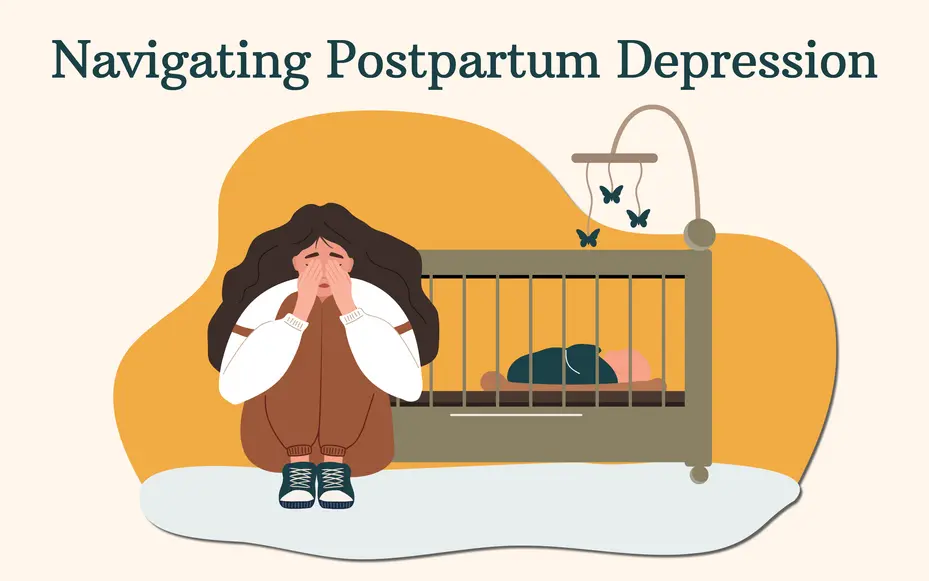
Navigating Postpartum Depression: A Guide for New Mothers at Sidra Family Hospital

Welcoming a new baby is often described as the happiest time in a woman’s life. However, for many new mothers, this period is clouded by persistent sadness, exhaustion, and overwhelming worry. At Sidra Family Hospital, we want you to know that these feelings are not your fault.
Postpartum Depression (PPD) is a serious medical condition that affects one in seven mothers globally. While the “baby blues” are common in the first few days after birth, PPD involves deeper, longer-lasting symptoms that require professional intervention. Our Psychiatry and Gynaecology departments work hand-in-hand to ensure mothers receive the support they need to thrive.
The Translation: Understanding Postpartum Depression
In medical terms, Postpartum Depression is a mood disorder associated with childbirth. It is triggered by a massive drop in hormones (estrogen and progesterone) immediately after delivery, combined with the chemical changes in the brain that regulate mood.
Think of it as a biological “reset” that has gone slightly off-track. It is not caused by something a mother did or didn’t do. Instead, it is a physical and emotional reaction to one of the most significant physiological shifts a human body can undergo.

Signs and Types of Postpartum Distress
Postpartum depression is an umbrella term that covers several different experiences. Recognizing which one you are experiencing is the first step toward the right treatment.
Postpartum Blues
Often called “baby blues,” these symptoms include mood swings and crying spells that fade within two weeks. If they last longer, it may have transitioned into PPD.
Postpartum Anxiety and Panic Disorder
Mothers may feel a constant sense of dread or experience physical symptoms like a racing heart and shortness of breath. You might find yourself constantly worrying about the baby’s safety to an irrational degree.
Postpartum OCD and PTSD
Some mothers experience intrusive, repetitive thoughts (OCD) or flashbacks to a traumatic birth experience (PTSD). These require specialized psychiatric care to manage safely.
Postpartum Psychosis
This is a rare but severe medical emergency involving hallucinations or delusions. If you or a loved one experiences a break from reality, seek immediate help at Sidra Family Hospital.
The Socio-Economic Impact in Pakistan
In the local Pakistani context, Postpartum Depression is often overlooked or dismissed as “exhaustion” due to household responsibilities. In many joint family structures, the pressure to be a “perfect mother” can prevent women from speaking out.
The economic impact of untreated PPD is significant. It can lead to longer recovery times for the mother, difficulties in bonding with the infant—which affects the child’s developmental milestones—and increased strain on the family’s financial stability. Breaking the stigma is not just a health priority; it is a necessity for the well-being of the entire family unit.

Breakthrough Treatments: Zuranolone (Zurzuvae)
We are currently seeing a new era in maternal mental health. Traditionally, antidepressants took weeks to show results. However, the FDA has recently approved Zuranolone, the first fast-acting oral pill specifically for PPD.
Unlike older medications, Zuranolone can show results in as little as three days. This allows mothers to return to their daily lives and bond with their infants much faster. Our clinical team at Sidra Family Hospital stays updated on these global advancements to provide our patients with the best evidence-based options.
The Forward Path: Recovery and Support
Recovery is not just possible; it is expected with the right care. If you feel “off” for more than two weeks, or if you feel you cannot care for yourself or your baby, it is time to visit us.
- Seek Professional Help: Consult our Psychiatry department for a safe, stigma-free evaluation.
- Build a Support Network: Delegate household chores and allow family members to help with the baby.
- Prioritize Rest: While difficult with a newborn, sleep is a critical component of mental health recovery.
At Sidra Family Hospital, your mental health is our clinical priority. We provide a compassionate environment where you can discuss your struggles without judgment. Let us help you reclaim your joy and health so you can enjoy the journey of motherhood.