

How to Limit Children’s Screen Time: 5 Essential Tips for Parents

In today’s hyper-connected world, managing children’s screen time has become one of the most significant challenges for modern parents. At Sidra Family Hospital (SFH), we see firsthand how digital habits impact a child’s physical and mental development. While technology offers educational benefits, finding the right balance is essential for long-term health.
The Translation: What Screen Time Does to the Body
When we discuss the medical implications of children’s screen time, we are looking at more than just “too much TV.” Physiologically, excessive exposure to blue light from screens suppresses melatonin, the hormone responsible for sleep. This disruption can lead to chronic fatigue and irritability in toddlers and school-aged children.
Furthermore, the rapid-fire stimulation of digital media can impact the developing prefrontal cortex. This area of the brain manages focus, impulse control, and emotional regulation. Without strict limits, children may struggle with delayed language skills and reduced attention spans. Our Pediatrics Department emphasizes that active, physical play is the primary way young brains build neural connections—something a tablet cannot replicate.
The Socio-Economic Impact: The Pakistani Context
In many Pakistani households, urbanization has limited access to safe outdoor play areas, making screens an easy, accessible alternative for entertainment. Additionally, in our vibrant joint family systems, children are often exposed to multiple screens—from a grandparent’s news program to an older sibling’s smartphone. This “second-hand screen time” can inadvertently increase a child’s total daily exposure.
The economic impact of unmanaged screen time often surfaces later in life through increased healthcare costs. Issues such as childhood obesity, early-onset myopia (nearsightedness), and behavioral therapy needs are often linked to sedentary digital habits. At Sidra Family Hospital, we believe that empowering parents with digital literacy is a public health priority that strengthens the entire community.
5 Tips for Managing Children’s Screen Time
1. Set Clear and Consistent Boundaries
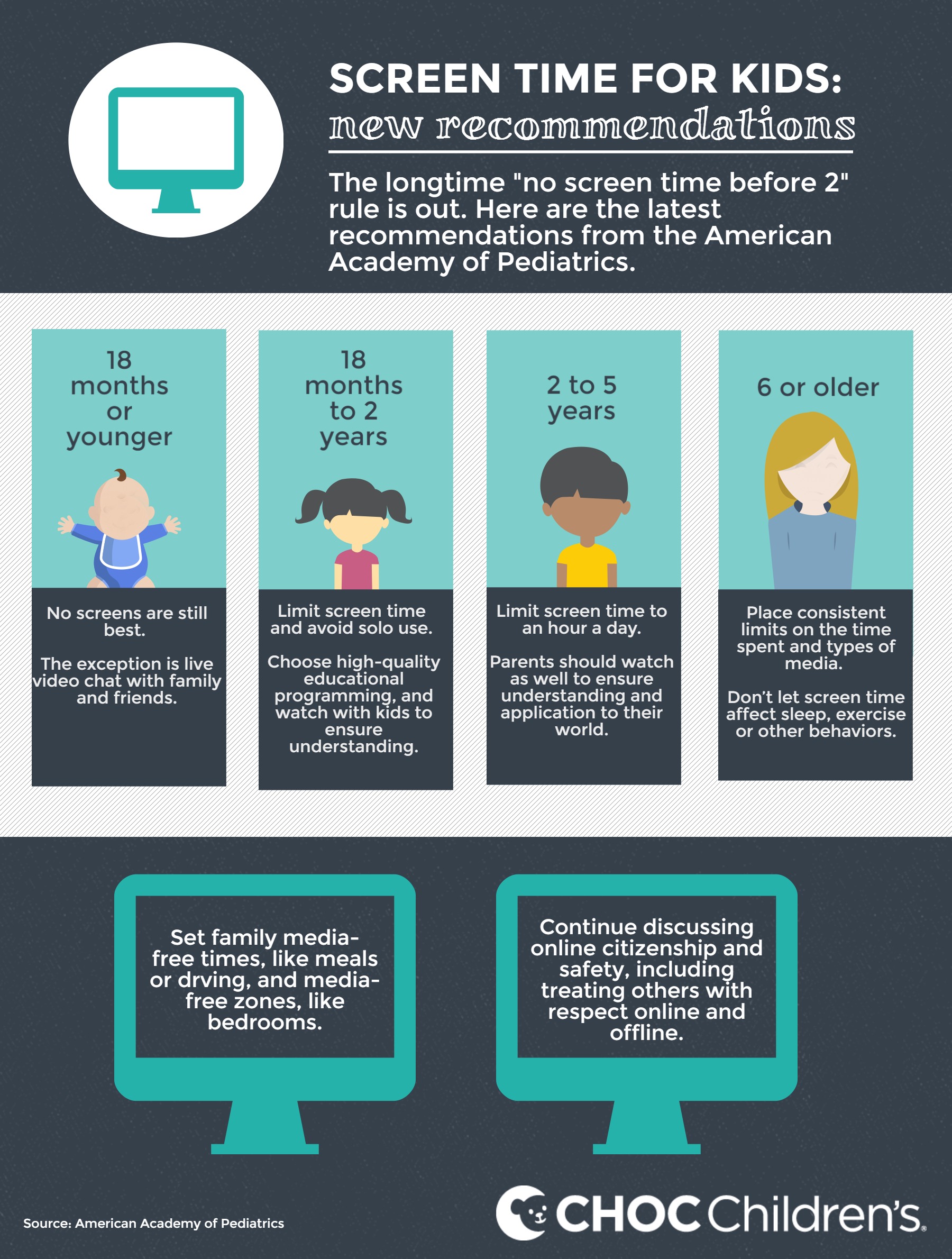
Establish “Screen-Free Zones” in your home, particularly in bedrooms and dining areas. Maintaining a consistent schedule where devices are put away at least one hour before bedtime ensures that your child’s brain has time to wind down for restorative sleep.
2. Acknowledge and Guide Technology Use
Not all screen time is created equal. For children aged 2 to 5, the focus should be on high-quality, educational content. At SFH, we recommend co-viewing—sitting with your child and discussing what they see—to transform passive viewing into an interactive learning experience.
3. Model Healthy Tech Habits
Children are keen observers. If they see parents constantly checking phones during family time, they will view that behavior as the norm. Set a “lead-by-example” policy where the whole family engages in a digital fast during meals to foster social interaction.

4. Encourage Offline Interests
Balance children’s screen time by actively promoting “green time.” Encourage outdoor play, reading physical books, or engaging in creative arts. These activities are vital for developing fine motor skills and sensory processing that digital interfaces simply do not provide.
5. Use Digital Management Tools
Utilize built-in parental controls on Android and iPhone devices to set hard stops for apps. Features like “Downtime” or usage monitoring can help you identify which platforms are consuming the most time, allowing for data-driven adjustments to your family’s routine.
The Forward Path: Digital Wellness at Sidra Family Hospital
The road to digital balance is a marathon, not a sprint. If you notice your child becoming excessively anxious when a device is taken away, struggling to maintain eye contact, or experiencing frequent headaches, it may be time for a professional consultation.
The Pediatrics Department at Sidra Family Hospital offers comprehensive developmental screenings and pediatric eye exams to address the side effects of excessive digital use. Our experts provide personalized guidance tailored to your child’s unique needs, ensuring they grow up healthy, focused, and ready to thrive. Visit us today to start your family’s journey toward a balanced digital lifestyle.