Choosing the Best Pacifier for Your Baby’s Dental Health: A Parent’s Guide
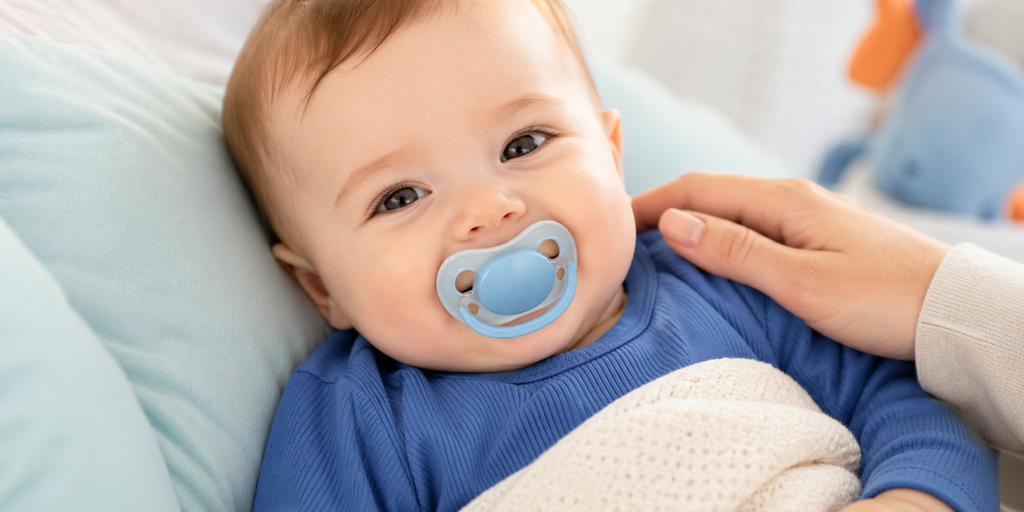
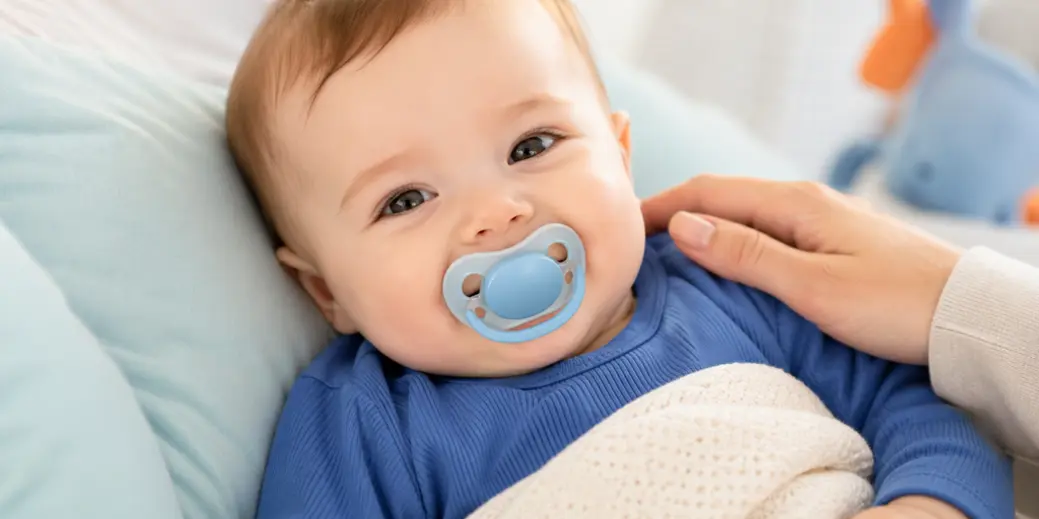
At Sidra Family Hospital, we understand that a pacifier is often a parent’s best friend during those long, fussy nights. It provides immediate comfort and helps infants self-soothe. However, as medical professionals, we also see the long-term impact that the wrong choice can have on a child’s oral development.
Choosing the best pacifier for dental health is a critical decision that begins in infancy. Making the right choice now can prevent years of orthodontic corrections and ensure your child develops a healthy, confident smile.
Why Pacifier Choice Matters for Dental Health
A baby’s jaw is incredibly soft and malleable during the first few years of life. The constant pressure of a poorly designed pacifier can literally reshape the bone. This leads to misalignment of the primary teeth and, eventually, the permanent teeth.
Our Pediatrics Department frequently treats children with dental issues that could have been avoided with better pacifier selection. The goal is to provide comfort without compromising the natural growth of the palate and jaw.
The Translation: Understanding Orthodontic Designs
In medical terms, we often talk about “orthodontic” vs. “traditional” pacifiers. To translate this into everyday language: a traditional pacifier is round and bulbous. While it looks natural, it doesn’t collapse easily against the roof of the mouth.
An orthodontic pacifier is designed to be flat on the bottom and rounded on the top. This shape mimics the way a mother’s nipple flattens during breastfeeding. It allows the tongue to remain in a natural position, reducing pressure on the developing gums and teeth.
What to Look for in a Baby Pacifier
When shopping for the best pacifier for dental health, keep these five criteria in mind:
- Nipple Shape: Always opt for orthodontic designs over cherry-shaped or round nipples.
- Size: Pacifiers come in stages (e.g., 0-6 months, 6-18 months). Using a size too small or too large can cause unnecessary dental strain.
- Material: Silicone is the gold standard. It is firmer than latex, more durable, and doesn’t retain odors or bacteria as easily.
- One-Piece Construction: To prevent choking, ensure the pacifier is molded from a single piece of material.
- Ventilated Shield: Look for a shield with large air holes to prevent skin irritation and “drool rash” around the mouth.

How Pacifiers Affect Teeth and Jaw Development
Prolonged or improper pacifier use can lead to several clinical conditions. The most common is an open bite, where the upper and lower front teeth do not touch even when the mouth is closed.
Other risks include a crossbite, where the upper teeth sit inside the lower teeth, and significant palate changes. When the roof of the mouth is pushed upward by a hard pacifier, it can narrow the dental arch, leading to crowded permanent teeth later in life.
The Socio-Economic Impact: The Pakistani Context
In Pakistan, we often see a “traditional-first” approach to baby care. Many families rely on older, less expensive pacifier models found in local markets. While these are budget-friendly in the short term, the long-term socio-economic impact is significant.
Orthodontic treatment in Pakistan is a major financial undertaking for middle-income families. By investing in the best pacifier for dental health early on—which may cost only a few hundred rupees more—families can avoid spending hundreds of thousands on braces and corrective surgeries in the future. At Sidra Family Hospital, we believe preventive care is the most affordable care.
The Forward Path: Steps for Parents
The journey to a healthy smile involves more than just the right pacifier; it requires a plan for weaning. We recommend parents begin the weaning process by age two. By this age, the risks of permanent dental damage increase significantly.
Tips for Successful Weaning:
- Limit pacifier use to naptime and bedtime only.
- Use the “Pacifier Fairy” approach to create a positive transition.
- Offer comfort through soft toys or extra cuddles instead of the “binky.”

When to See a Pediatric Dentist
If you notice your child’s teeth look tilted or if there is a visible gap when they bite down, it is time for a professional evaluation. Our Pediatrics and Dental teams at Sidra Family Hospital are here to provide personalized guidance.
We invite you to visit SFH for a comprehensive “Well-Child” checkup. We prioritize your family’s health, ensuring your little ones grow up with the strongest foundation for a lifetime of smiles. Trust our family-first approach to protect your child’s dental future.