Common Causes of Hair Loss in Men and Women: A Comprehensive Health Guide
Hair loss is a deeply personal experience that affects millions of people worldwide. While it is often viewed through the lens of aesthetics, thinning hair frequently serves as an early warning system for the body, signaling internal health imbalances or nutritional gaps.
At Sidra Family Hospital, we believe in a “Family-First” approach to health. Understanding the common causes of hair loss is the first step toward restoring both your health and your confidence.
The Translation: What Your Hair is Telling You
In medical terms, hair loss is known as alopecia. It is rarely a standalone condition; instead, it is usually a symptom of a broader physiological process.
Whether it is the result of genetics, an overactive immune system, or a lack of essential vitamins, your hair follicles respond to the internal environment of your body. When the body is under stress or lacks nutrients, it prioritizes vital organs over non-essential functions like hair growth.
Androgenetic Alopecia: The Role of Genetics
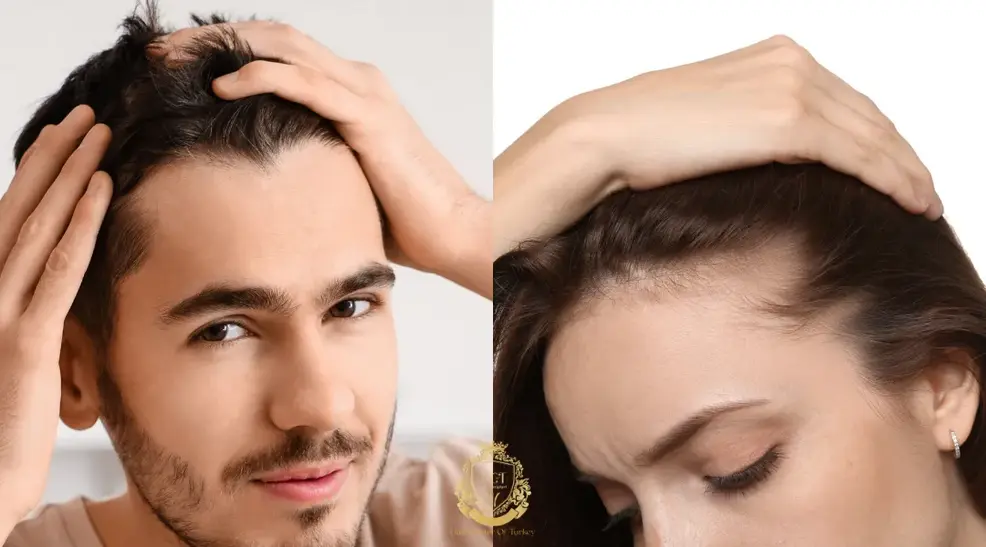
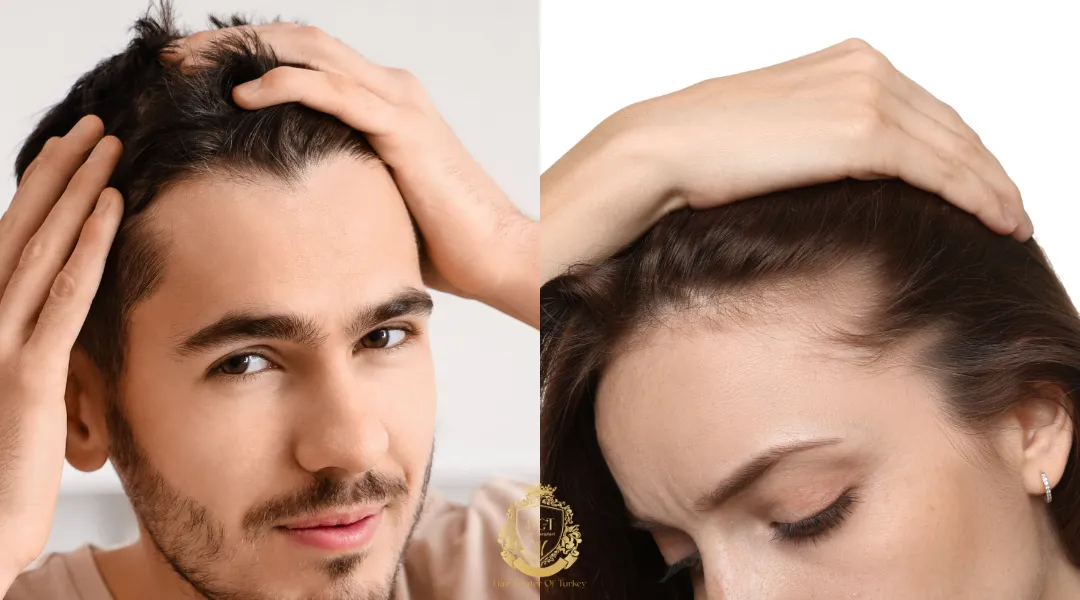
The most frequent of the common causes of hair loss is androgenetic alopecia, often referred to as male or female pattern baldness. This condition is largely hereditary and driven by a sensitivity to dihydrotestosterone (DHT).
In men, this typically manifests as a receding hairline or thinning at the crown. In women, it often appears as a general thinning across the entire scalp, particularly along the part line.
Telogen Effluvium: Stress and Illness as Triggers
Have you ever noticed significant hair shedding a few months after a major surgery, a high fever, or a period of intense psychological stress? This is known as Telogen Effluvium.
Under extreme stress, the body pushes a large number of hair follicles into a “resting phase.” A few months later, these hairs fall out simultaneously. Fortunately, this type of hair loss is usually temporary once the underlying stressor is addressed.
Nutritional Deficiencies: The Link Between Diet and Hair
One of the most overlooked common causes of hair loss is the impact of what we eat. Hair follicles are among the most metabolically active cells in the body, requiring a constant supply of energy and nutrients.

At Sidra Family Hospital, we frequently observe patients struggling with iron deficiency (anemia) and low protein intake. Without enough iron, the blood cannot carry sufficient oxygen to the cells responsible for hair repair and growth. A diet rich in zinc, biotin, and lean proteins is essential for maintaining keratin production.
The Critical Role of Vitamin D
Vitamin D is not just a vitamin; it functions more like a hormone that regulates many bodily processes, including hair follicle cycling. A deficiency in the “sunshine vitamin” is a leading factor in hair thinning.

Beyond hair loss, Vitamin D deficiency can cause persistent fatigue, chronic bone pain, and muscle weakness. In the local community, where indoor lifestyles are common, many people silently suffer from this deficiency without realizing its impact on their hair health.
Hormonal Changes: Pregnancy and Menopause
For our female patients, hormones play a massive role in hair density. During pregnancy, high estrogen levels often lead to thick, lustrous hair. However, the “postpartum shed” that occurs after delivery can be alarming.
Similarly, during menopause, a drop in estrogen and progesterone can lead to hair thinning, while the relative increase in androgens may shrink hair follicles. Thyroid conditions, both overactive and underactive, are also major contributors to changes in hair texture and volume.
The Socio-Economic Impact in the Local Context
In our local culture, hair is often tied to social identity and self-esteem. Hair loss can lead to significant psychological distress, impacting social participation and professional confidence.

Economic factors often influence dietary choices, leading to an over-reliance on processed carbohydrates and a lack of diverse micro-nutrients. Furthermore, environmental pollution and hard water in urban centers can exacerbate scalp irritation and traction alopecia from tight hairstyles.
The Forward Path: How Sidra Family Hospital Can Help
The journey to recovery begins with a professional diagnosis. Before starting any supplements, it is vital to understand the root cause, as excess intake of certain vitamins can sometimes be counterproductive.
At Sidra Family Hospital, we provide:
- Comprehensive Screenings: Targeted blood tests to check Vitamin D, Iron, and Thyroid levels.
- Specialized Consultations: Access to our Nutrition and Gynecology departments for personalized care plans.
- Pediatric Support: Specialized monitoring for children showing signs of delayed growth or hair changes.
Frequently Asked Questions
Does wearing hats cause baldness?
Generally, no. Unless the hat is exceptionally tight and causes constant friction (traction), wearing a hat does not cause hair loss. However, dirty hats can lead to scalp infections.
Can stress alone cause permanent hair loss?
Most stress-related hair loss (Telogen Effluvium) is temporary. However, chronic stress can exacerbate genetic hair loss or trigger autoimmune conditions like Alopecia Areata.
Is hair loss only a problem for older people?
No. Hair loss can affect individuals of all ages, including children and teenagers, often due to nutritional deficiencies, hormonal changes, or autoimmune issues.
Does washing your hair too often make it fall out?
Washing your hair does not cause it to fall out. The hairs you see in the drain are usually those already in the shedding phase. Keeping the scalp clean is actually beneficial for follicle health.
If you are concerned about hair thinning or sudden loss, don’t wait. Visit Sidra Family Hospital today for a comprehensive evaluation and let us support your family’s journey toward holistic wellness.