Expert Strategies: How to Teach Kids Potty Training with Confidence
At Sidra Family Hospital, we view potty training as much more than a physical milestone. It is a complex developmental journey that requires the synchronization of physical readiness, cognitive awareness, and emotional security. For many parents, the question of how to teach kids potty habits can feel daunting, but with a clinical perspective and a compassionate approach, it becomes a manageable transition toward your child’s independence.
The Translation: Understanding the Medical and Developmental Mechanics
To successfully navigate this transition, parents must understand what is happening inside their child’s body. Potty training is not simply about “learning to use the toilet.” It is the development of interoception—the sensory system that allows us to feel what is happening inside our bodies, such as a full bladder or the need for a bowel movement.
Medically, a child must be able to recognize these internal signals and then coordinate a complex series of motor tasks. This includes physical balance to sit on the toilet, fine motor skills to manage clothing, and the neurological ability to relax the pelvic floor muscles at the right moment. At Sidra Family Hospital, our pediatricians emphasize that every child’s neurological timeline is unique; rushing this process before the brain and body are “in sync” can lead to frustration and regression.
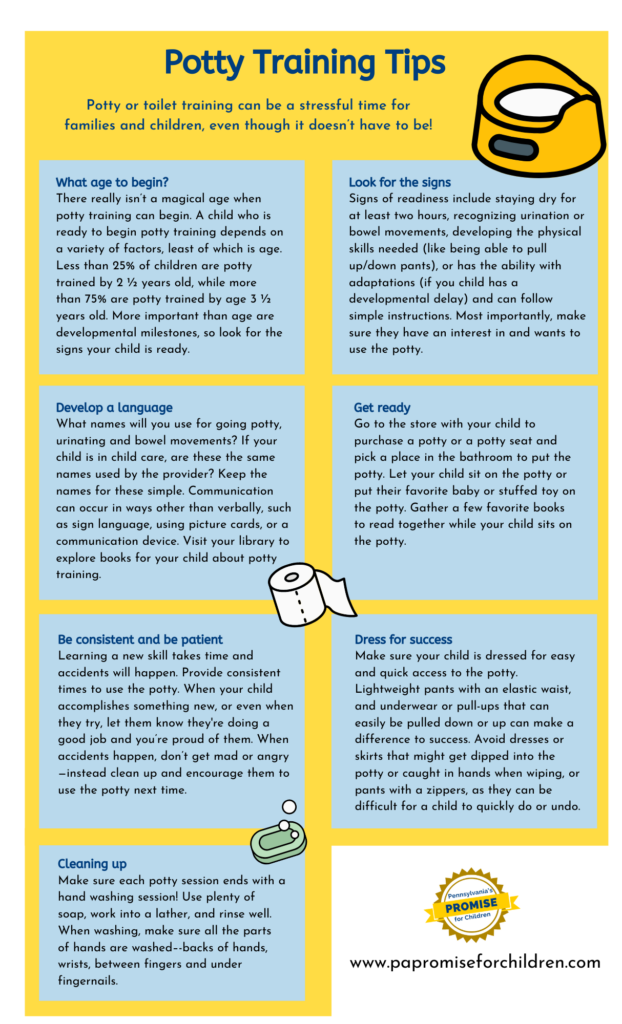
Recognizing the Signs of Readiness
Most children show signs of readiness between 18 and 30 months, though some may take longer. Key indicators include staying dry for at least two hours during the day, showing interest in the bathroom, or communicating through words or gestures that they have a dirty diaper. If your child is not yet showing these signs, it is often more effective to wait rather than push for early results.
The Socio-Economic Impact: Potty Training in the Pakistani Context
In Pakistan, potty training carries unique socio-economic implications. In many households, the rising cost of high-quality disposable diapers places a significant financial burden on families. Early, successful toilet training can alleviate these monthly expenses, allowing resources to be redirected toward other essential areas like nutrition and early education.
Furthermore, many private schools in Pakistan require children to be fully toilet-trained before admission into playgroups or nursery classes. This creates a high-pressure environment for parents. At Sidra Family Hospital, we advocate for a balanced approach. While we recognize the social and financial pressures, we encourage families to follow the child’s developmental pace to avoid long-term psychological associations with bathroom anxiety or constipation.
Addressing Sensory Sensitivities and Autism
For children on the autism spectrum or those with sensory processing disorders, the bathroom can be an overwhelming environment. The echoing sound of a flush, the cold feel of a toilet seat, or the bright lights of a restroom can trigger a “fight or flight” response. This makes learning how to teach kids potty skills even more complex.
Our Occupational Therapy (OT) strategies focus on desensitization. This might involve using a “potty chair” in a comfortable room first, or using visual schedules to make the routine predictable. By breaking the task into tiny, achievable steps—such as just sitting on the toilet with clothes on—we build the child’s confidence and tolerance over time.
The Forward Path: Practical Steps for Your Family
Success in potty training is built on consistency and positive reinforcement. Here is the path forward we recommend at Sidra Family Hospital:
- Establish a Routine: Schedule “potty breaks” every 90 minutes. Consistency helps the body’s internal clock align with the external routine.
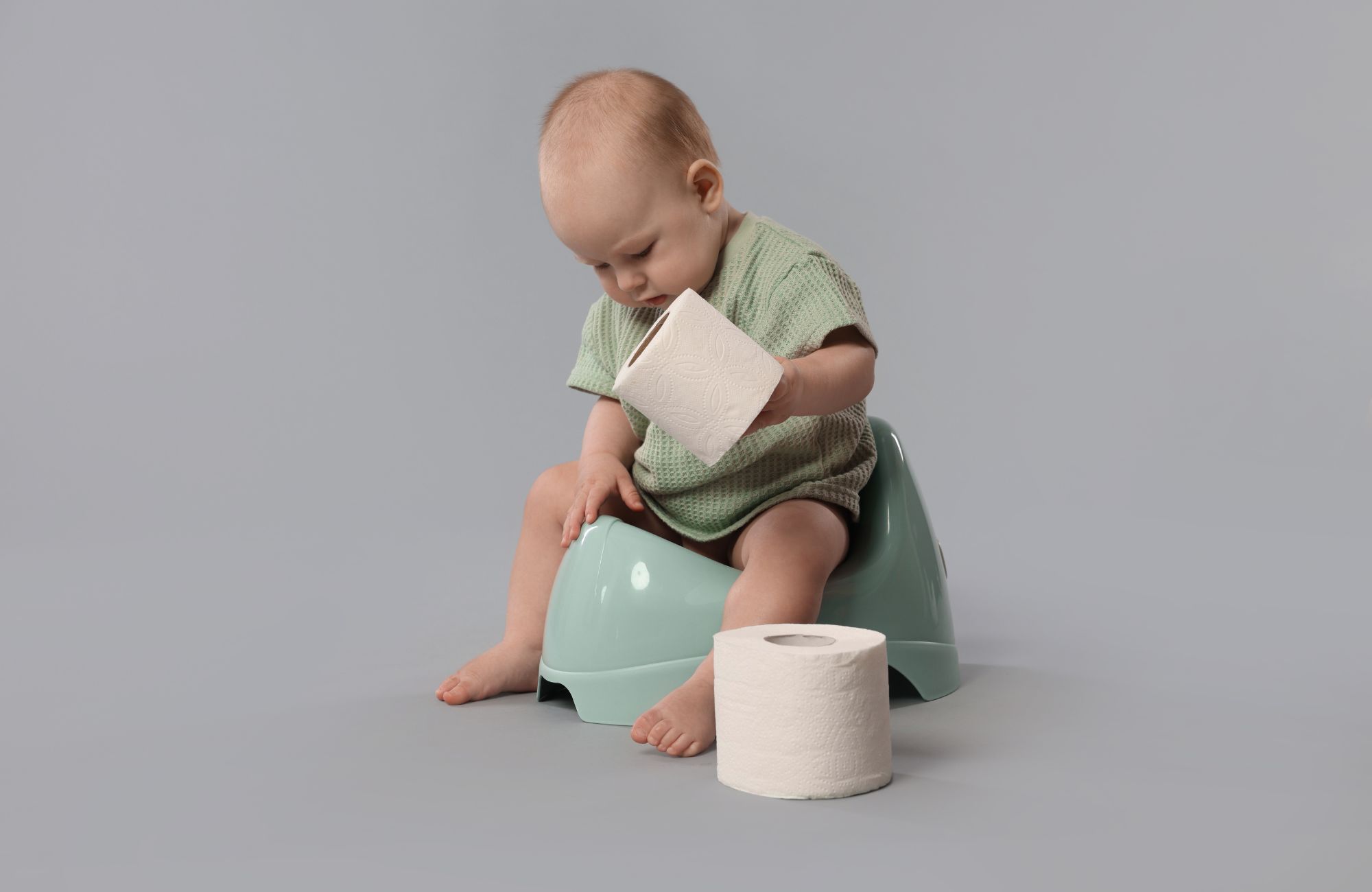
- Optimize the Environment: Ensure your child feels secure. Use a footstool so their feet are supported; this helps relax the pelvic muscles.
- Use Positive Reinforcement: Celebrate the effort, not just the result. Small rewards or a “success chart” can be highly motivating.
- Dress for Success: Choose clothing that is easy to pull down, such as elastic waistbands, to foster independence.
When to Visit Sidra Family Hospital
While accidents are a normal part of the learning curve, some situations require professional guidance. If your child is over the age of four and still struggling, experiencing pain during elimination, or showing extreme fear of the bathroom, our Pediatrics Department is here to help. We offer specialized consultations to rule out underlying medical issues like urinary tract infections or chronic constipation, ensuring your child has the best foundation for success.
At Sidra Family Hospital, we are committed to supporting your family through every milestone. Potty training is a transition, but with patience and the right medical guidance, it is a journey your child will complete with pride.