
Understanding Kidney Stone Treatment Options and Prevention Methods
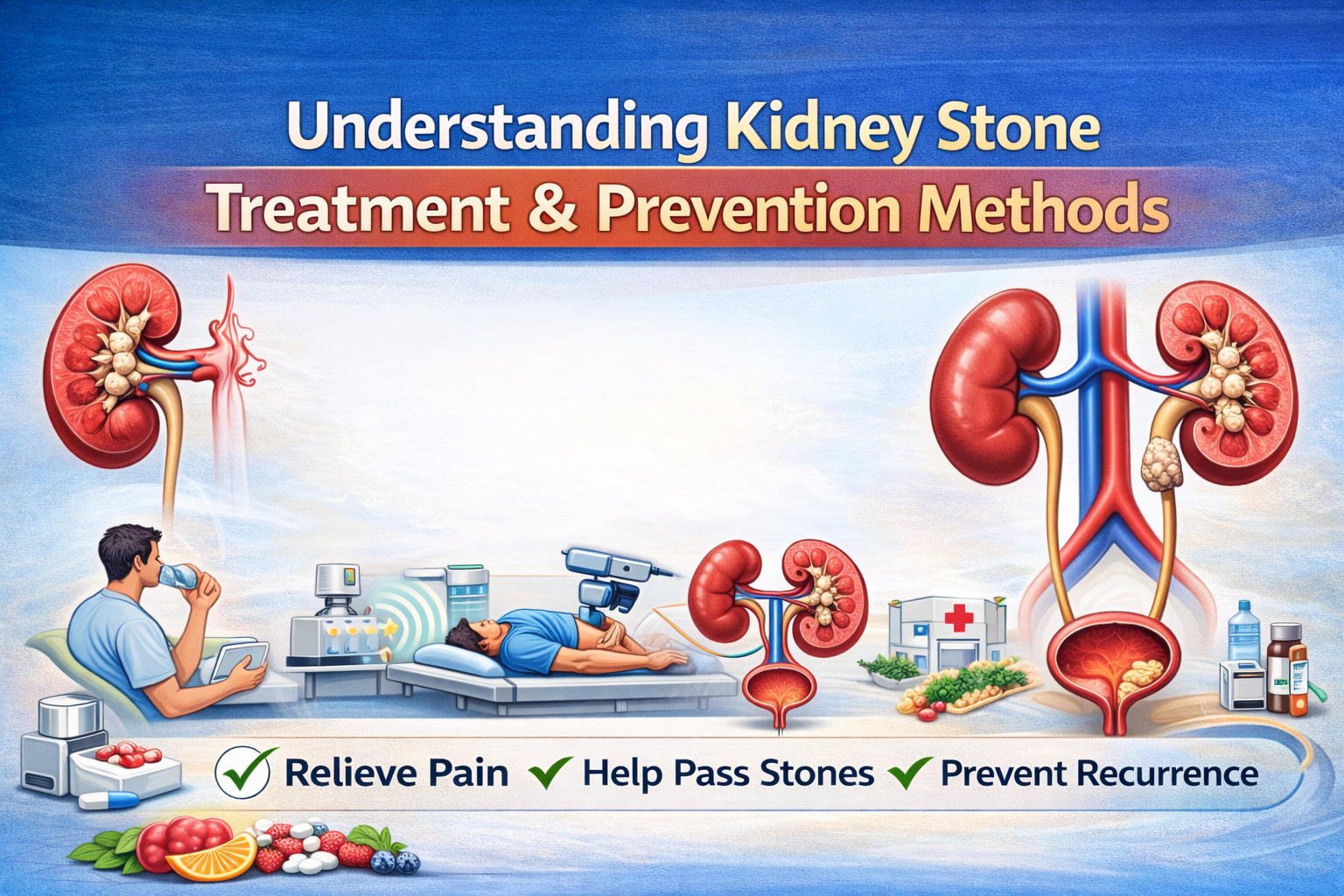
Kidney stones, or pathri, are more than just a medical diagnosis; they are a source of intense physical and emotional distress for many families in our community. At Sidra Family Hospital, we believe that understanding your kidney stone treatment and prevention options is the first step toward reclaiming your health and comfort.
The Translation: What Are Kidney Stones?
In simple terms, kidney stones are hard deposits made of minerals and salts that form inside your kidneys. Think of them as small, jagged crystals that can range from the size of a grain of sand to a golf ball. When these stones move or cause a blockage, they trigger sharp pain in the back and side, known as flank pain.
Many patients are surprised to learn that kidney stones can also affect the digestive system. Because the kidneys and the gut share similar nerve pathways, some individuals experience gastrointestinal distress, such as nausea or even diarrhea. This “gut-kidney connection” is often a sign that the body is under significant stress from the stone’s movement.

The Socio-Economic Impact on Pakistani Families
In the Pakistani context, a health crisis like kidney stones doesn’t just affect the patient; it affects the entire household. When the primary breadwinner or a caregiver is sidelined by debilitating pain, it leads to lost wages and disrupted family routines. Furthermore, many families delay seeking kidney stone treatment and prevention advice due to fears of invasive surgery or high costs.
At Sidra Family Hospital, we understand these challenges. We prioritize minimally invasive treatments that ensure faster recovery times, allowing you to return to your work and family responsibilities as quickly as possible. Early detection is not just a health choice; it is an economic necessity to prevent the complications of long-term kidney damage.
Treatment Options: From Hydration to Laser Technology
The choice of treatment depends largely on the size and location of the stone. Small stones may pass naturally with increased hydration and the use of medications like alpha-blockers, which help relax the urinary tract muscles.
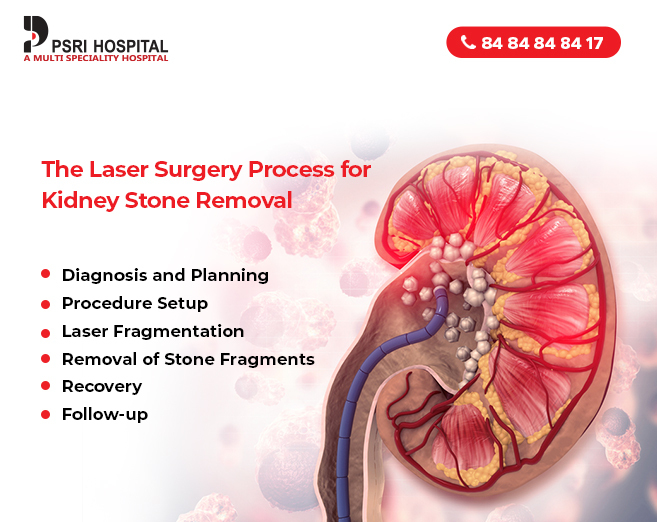
For stones that are too large to pass or are causing an obstruction, we offer advanced surgical options:
- Laser Lithotripsy: A minimally invasive procedure where a laser fragments the stone into dust-like particles, requiring no external incisions.
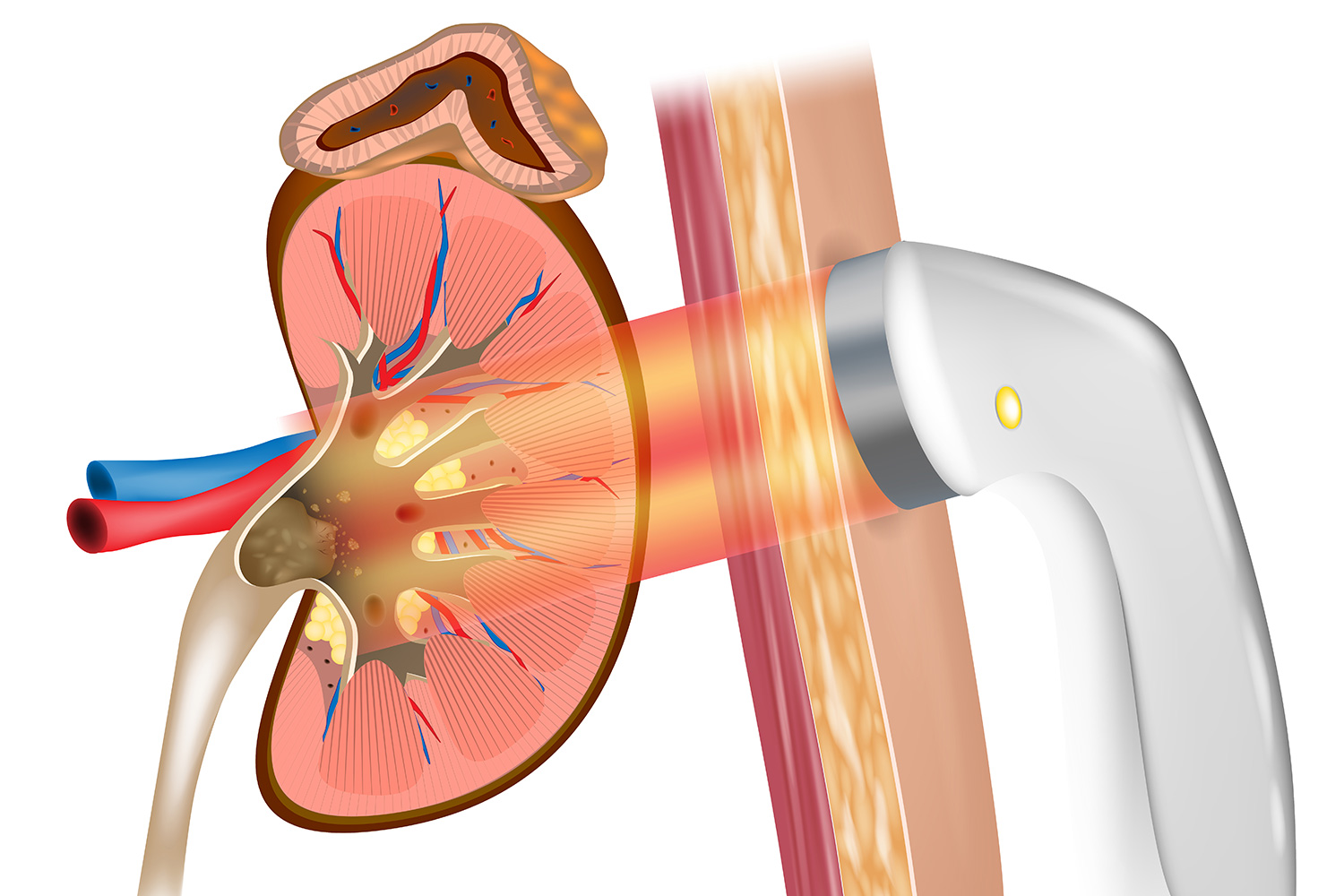
- Shock Wave Therapy (ESWL): Using sound waves to break stones from outside the body.
- Ureteroscopy (URS): A specialized procedure used for stones trapped in the ureter, particularly vital for pregnant patients or those with persistent pain.
The Forward Path: Prevention and Long-Term Wellness
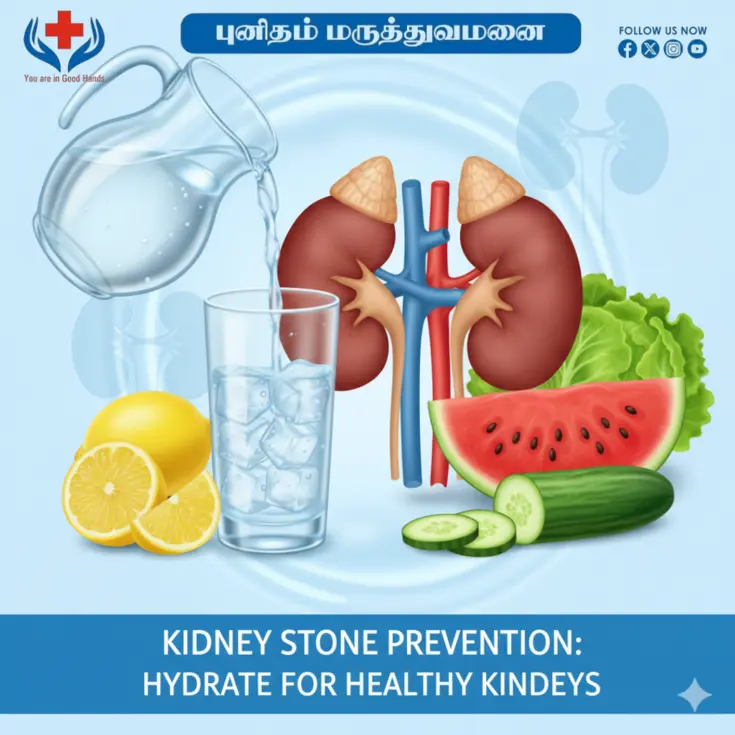
Prevention is the cornerstone of our urological care. To stop stones from returning, our nutrition specialists work with families to implement sustainable dietary changes. This includes reducing salt intake, managing oxalate-rich foods (like spinach and nuts), and maintaining high fluid intake—aiming for 2-3 liters of water daily.
If you or a loved one experiences severe side pain, blood in the urine, or persistent gastrointestinal symptoms, do not wait. Visit Sidra Family Hospital for a comprehensive evaluation. Our Urology and Nutrition departments are dedicated to providing compassionate, expert care tailored to your family’s needs.
Key Takeaways for Families
- Hydrate Early: Water is your best defense against crystal formation.
- Watch for Red Flags: Fever, vomiting, or severe pain require immediate medical attention.
- Modern Solutions: Laser treatments offer quick recovery with minimal discomfort.
- Personalized Care: Prevention plans must be tailored to your specific stone type and lifestyle.