How Hormonal Imbalances Affect Fertility in Women and Men
Hormonal balance serves as the essential foundation for reproductive health and overall vitality. At Sidra Family Hospital (SFH), we often see how subtle disruptions in the endocrine system can create significant hurdles for couples trying to grow their families.
Hormones act as chemical messengers, coordinating everything from your monthly cycle to sperm production. When these messengers are out of sync, it can lead to more than just fertility issues; it affects your mood, energy, and long-term metabolic health.
The Translation: What Hormonal Imbalance Really Means
In medical terms, a hormonal imbalance occurs when your body produces too much or too little of a specific hormone. Think of your endocrine system as a finely tuned orchestra; if one instrument is too loud or too quiet, the entire performance suffers.
For fertility, the key players are Estrogen, Progesterone, Testosterone, and Luteinizing Hormone (LH). If these are not in harmony, the body cannot effectively prepare for pregnancy or maintain a healthy reproductive environment.
At Sidra Family Hospital, we translate these complex biological signals into actionable health plans. Whether it is a thyroid issue or an imbalance in reproductive hormones, identifying the root cause is the first step toward restoration.
Key Hormones Governing Reproductive Health
The Role of Estrogen and Progesterone in Women
Estrogen is responsible for developing the uterine lining, while progesterone maintains it. If estrogen levels are too high (estrogen dominance), or progesterone is too low, the uterine environment may not support an embryo, leading to conception difficulties.
Testosterone and Male Fertility
While often viewed as a “male” hormone, testosterone is crucial for both genders. In men, it is the primary driver of sperm production and libido. Low levels can lead to reduced sperm count and erectile dysfunction, directly impacting fertility.

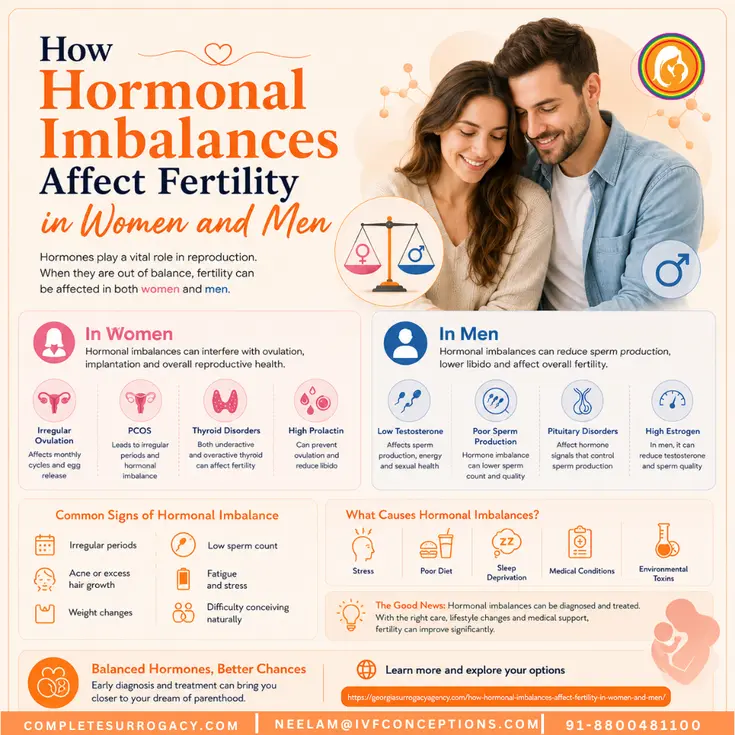
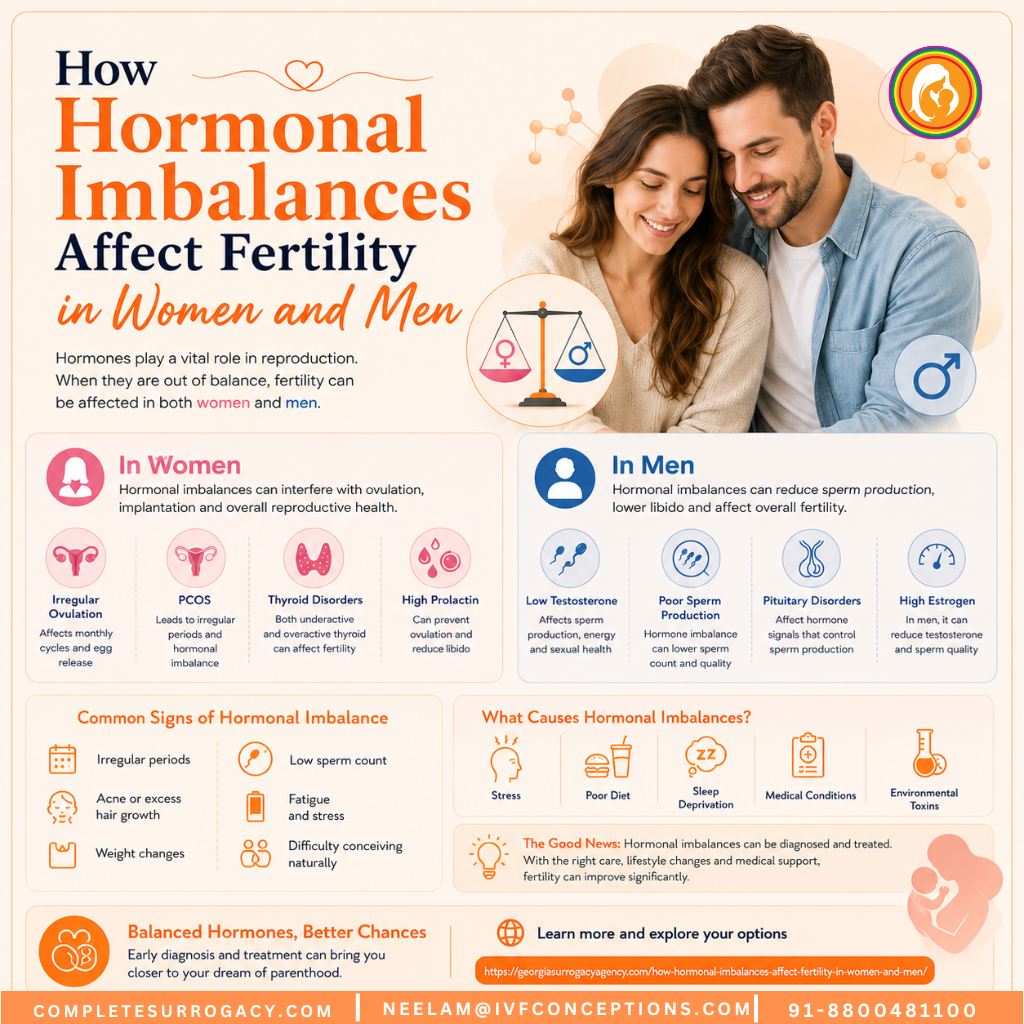
How Hormonal Imbalances Affect Fertility in Women and Men
In women, conditions like Polycystic Ovary Syndrome (PCOS) involve excess androgens (male hormones), which can stop ovulation entirely. This disruption is often accompanied by physical symptoms such as hormonal hair loss or adult acne.
In men, hormonal disorders may stem from issues in the pituitary gland or the testes. When these organs fail to communicate, sperm quality drops, making natural conception a challenge for even the healthiest of couples.
Signs and Symptoms of Hormonal Disruption
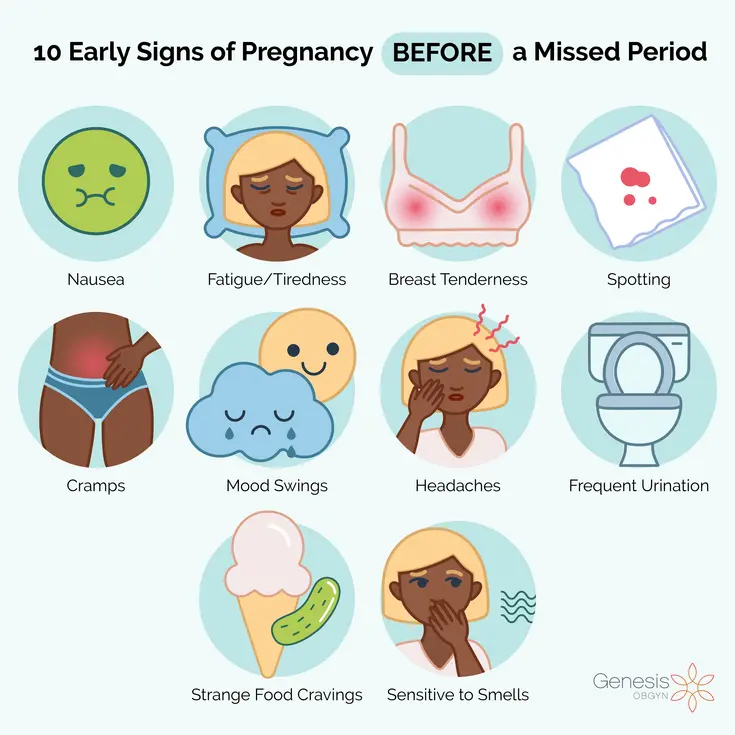
Recognizing the early warning signs can save years of frustration. Common symptoms in women include irregular periods, persistent fatigue, and unexplained weight gain around the midsection.
Men may notice a decrease in muscle mass, increased body fat, or a significant drop in energy levels. Both genders might experience “brain fog” or sudden mood swings, which are often dismissed as mere stress.

The Socio-Economic Impact: A Local Perspective
In our local Pakistani community, the inability to conceive often carries a heavy emotional and social burden. Families frequently face immense pressure to continue their lineage, which can lead to high levels of anxiety and household stress.
Furthermore, delaying a diagnosis can lead to higher long-term healthcare costs. When hormonal issues are ignored, they can evolve into chronic conditions like Type 2 diabetes or severe cardiovascular issues, draining a family’s financial resources.
At Sidra Family Hospital, we believe that providing accessible fertility care is a community service. By addressing hormonal imbalances early, we help families avoid the physical and financial exhaustion of late-stage interventions.
The Forward Path: Restoring Balance at SFH
Restoring your fertility starts with a comprehensive medical evaluation. Our Gynecology department uses specialized blood panels to assess thyroid function, insulin levels, and reproductive hormone concentrations.
Treatment at SFH is never one-size-fits-all. Depending on your needs, we may recommend lifestyle modifications, such as an anti-inflammatory diet, or medical interventions like Hormone Replacement Therapy (HRT).
We also emphasize the importance of stress management. Chronic stress produces cortisol, which can “steal” the resources your body needs to produce reproductive hormones. Our team provides holistic support to manage both mind and body.
Practical Steps to Take Today:
- Monitor Your Cycle: Track irregularities in your period or changes in libido.
- Audit Your Diet: Focus on nutrient-rich foods that support the endocrine system.
- Seek Professional Testing: Schedule a fertility hormone panel at Sidra Family Hospital.
- Prioritize Sleep: Hormones are primarily regulated while you sleep.
Conclusion
Hormonal imbalances are common, but they do not have to be the end of your parenthood journey. With expert diagnosis and a family-first approach, Sidra Family Hospital is committed to helping you restore balance and achieve your goals.
FAQ: Hormonal Imbalances and Fertility
Can PCOS cause permanent infertility?
No. While PCOS makes conception more challenging, most women can conceive with the right combination of lifestyle changes and medical management provided by our specialists.
Does stress actually cause hormonal imbalance?
Yes. Chronic stress triggers high cortisol levels, which can disrupt the production of LH and FSH, the hormones directly responsible for ovulation and sperm production.
Is hormone replacement therapy safe for fertility?
Under expert supervision, hormonal therapies can be a safe and effective way to restart regular cycles and improve reproductive health. We tailor every HRT plan to the individual patient.