
Reproductive Mental Health: Navigating PMS, Perimenopause, and Hormonal Well-being

Many women view hormonal shifts as an unavoidable part of life, often suffering in silence through mood swings, anxiety, and fatigue. However, at Sidra Family Hospital, we believe that understanding your reproductive mental health is the first step toward reclaiming your quality of life.
The Translation: What is Reproductive Mental Health?
Reproductive mental health refers to the complex relationship between your reproductive hormones—primarily estrogen and progesterone—and your brain’s neurotransmitters, such as serotonin and dopamine. These hormones do much more than regulate your menstrual cycle; they influence how you think, feel, and react to stress.
When these hormone levels fluctuate during puberty, the menstrual cycle, pregnancy, or perimenopause, they can trigger significant psychological symptoms. These include irritability, depression, and severe anxiety. Understanding this biological link helps remove the stigma, transforming a \”mood issue\” into a manageable medical condition.
Puberty and the First Hormonal Shift
The journey of reproductive mental health begins at puberty. As the body starts producing higher levels of estrogen, young girls often experience emotional volatility. This is a critical time for family support, as early experiences with hormonal changes set the foundation for how a person manages their reproductive health later in life.
Understanding the Menstrual Cycle and PMS
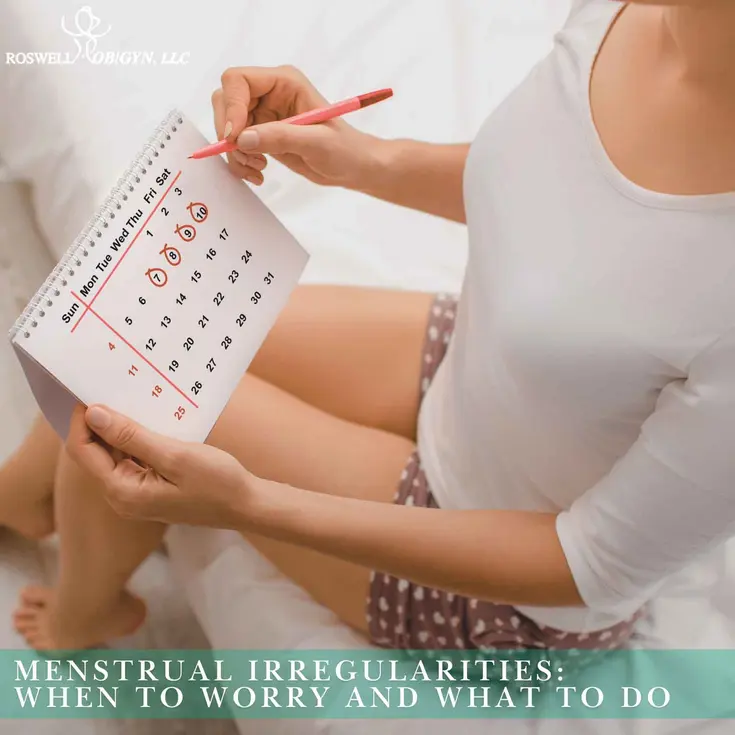
A normal menstrual cycle typically ranges from 21 to 35 days, with bleeding lasting between three and seven days. However, the days leading up to the period are when Premenstrual Syndrome (PMS) occurs. For some, this manifests as mild bloating or irritability; for others, it can escalate into Premenstrual Dysphoric Disorder (PMDD), a severe form of PMS that requires clinical intervention.
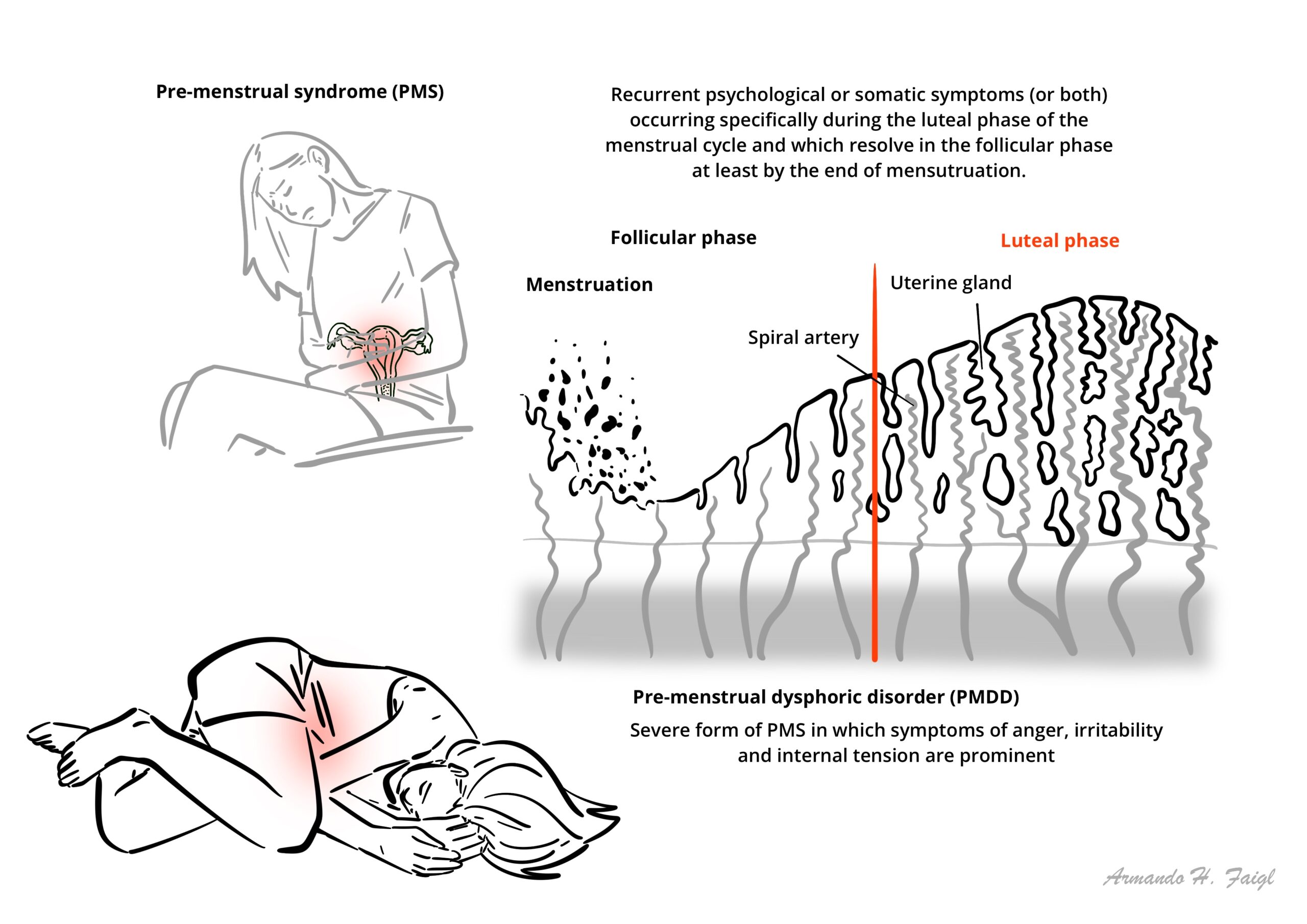
Tracking your cycle is essential. If you notice consistent dips in mood or heightened anxiety exactly two weeks before your period, your reproductive mental health may be the primary driver. Identifying these patterns early allows our Gynecology department to tailor treatments that balance both your hormones and your mood.
The Socio-Economic Impact: The Pakistani Context
In many Pakistani households, reproductive health issues are often discussed in hushed tones or dismissed as mere \”weakness.\” This silence carries a heavy socio-economic price. When a mother struggles with postpartum depression or a working professional faces the cognitive \”brain fog\” of perimenopause, the entire family unit feels the strain.
Untreated reproductive mental health issues can lead to decreased productivity at work and strained relationships at home. In a society where women are often the primary caregivers, their mental well-being is the cornerstone of a healthy family. Sidra Family Hospital aims to break this cycle by providing a safe, \”Family-First\” environment where these transitions are treated with the medical importance they deserve.
Infertility, Pregnancy, and Postpartum Mental Health
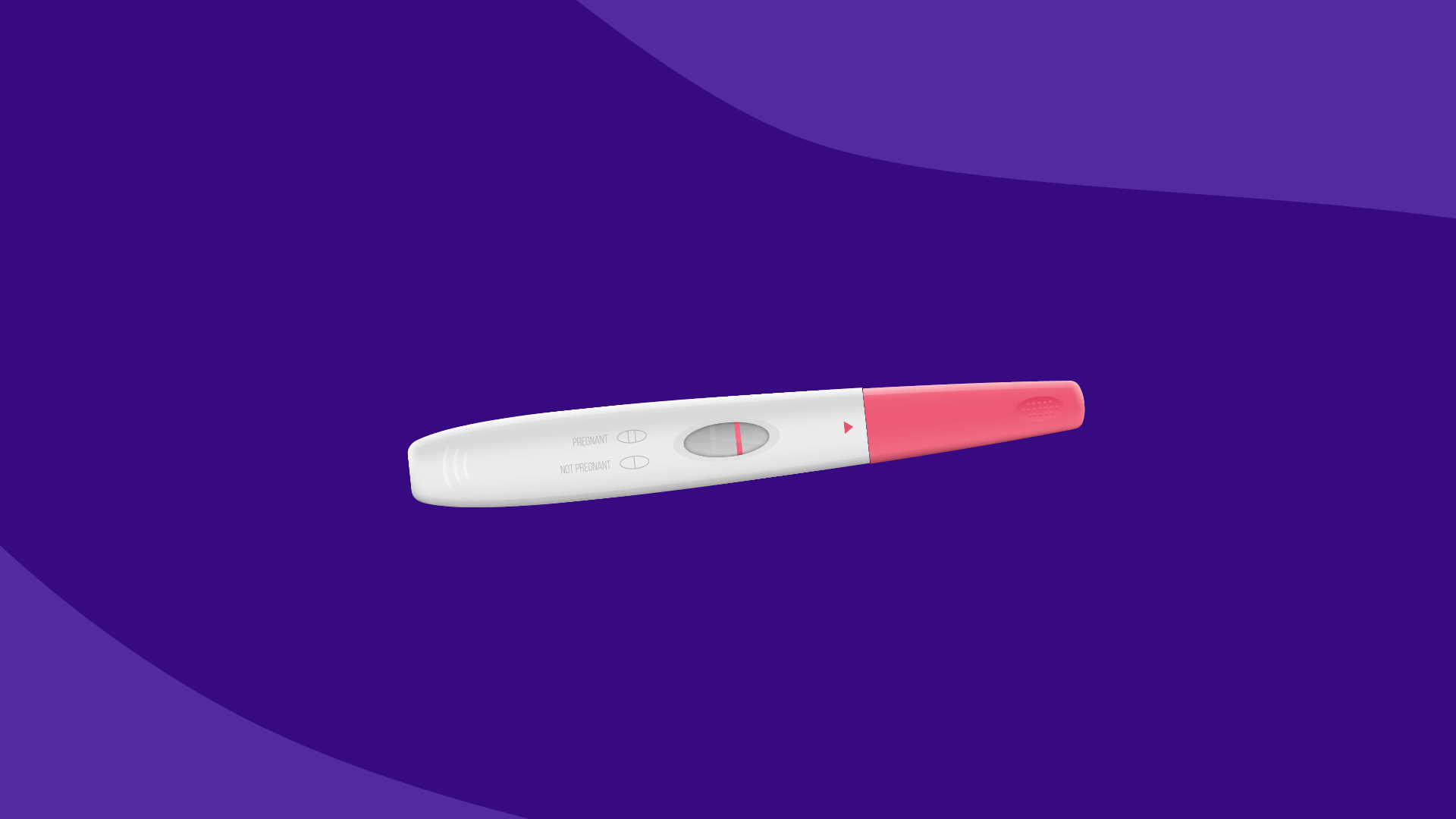
The path to parenthood is often fraught with emotional hurdles. Infertility can lead to deep-seated feelings of inadequacy and depression. Similarly, the perinatal period—the time during pregnancy and the first year after birth—is a high-risk time for mental health challenges. Postpartum depression is not a sign of poor mothering; it is a biological response to the massive hormonal crash that occurs after delivery.
Perimenopause and the Transition to Menopause
As women enter their 40s and 50s, estrogen levels begin to drop erratically. This phase, known as perimenopause, often brings about sleep disturbances, hot flashes, and significant mood shifts. Many women mistake these symptoms for a \”mid-life crisis\” or standard aging, but they are directly linked to reproductive mental health. Strengthening your cognitive health during this time through hydration and targeted nutrition is vital.
The Forward Path: Steps to Recovery and Wellness
You do not have to face these hormonal storms alone. At Sidra Family Hospital, we recommend a multi-faceted approach to managing reproductive mental health:
- Nutrient-Rich Diet: Focus on complex carbohydrates and lean proteins to stabilize blood sugar and hormone production.
- Consistent Sleep: Hormonal balance is impossible without adequate rest. Aim for 7-9 hours of quality sleep.
- Strength Training: Regular physical activity helps regulate cortisol levels and improves mood.
- Professional Consultation: If your symptoms interfere with daily life, visit our Gynecology or Nutrition departments for a personalized care plan.
Whether you are dealing with irregular cycles, severe PMS, or the challenges of menopause, our expert team is here to help. Trust Sidra Family Hospital to provide the compassionate, expert care you need to achieve long-term wellness and hormonal balance.