
Kyleena vs. Skyla IUD: Your Complete Guide to Low-Hormone Birth Control Options

Introduction: Finding Your Perfect Low-Hormone Match
Choosing the right contraception is a significant step in your health journey. At Sidra Family Hospital (SFH), we believe every woman deserves access to reliable, professional, and personalized care. For many, the transition to hormonal contraception comes with concerns about systemic side effects.
Low-hormone birth control options like the Kyleena and Skyla IUDs have revolutionized reproductive health. These intrauterine devices provide over 99% effectiveness while keeping hormone levels minimal. In this guide, we will help you navigate the nuances of these two popular choices.
The Translation: What is a Low-Hormone IUD?
In medical terms, an IUD (Intrauterine Device) is a small, T-shaped plastic frame inserted into the uterus. While traditional birth control pills release hormones into your bloodstream, these IUDs work locally.
The term “low-hormone” refers to the specific amount of levonorgestrel (a type of progestin) released daily. This localized approach means your body receives the protection it needs exactly where it is needed. Most women find that this significantly reduces systemic side effects like mood swings or weight gain.
How Kyleena and Skyla Work Locally
Both devices work by thickening the cervical mucus to prevent sperm from reaching an egg. They also thin the lining of the uterus. Because the hormone remains primarily within the reproductive tract, it is an excellent option for those sensitive to higher doses found in pills or patches.
Kyleena vs. Skyla: A Side-by-Side Comparison
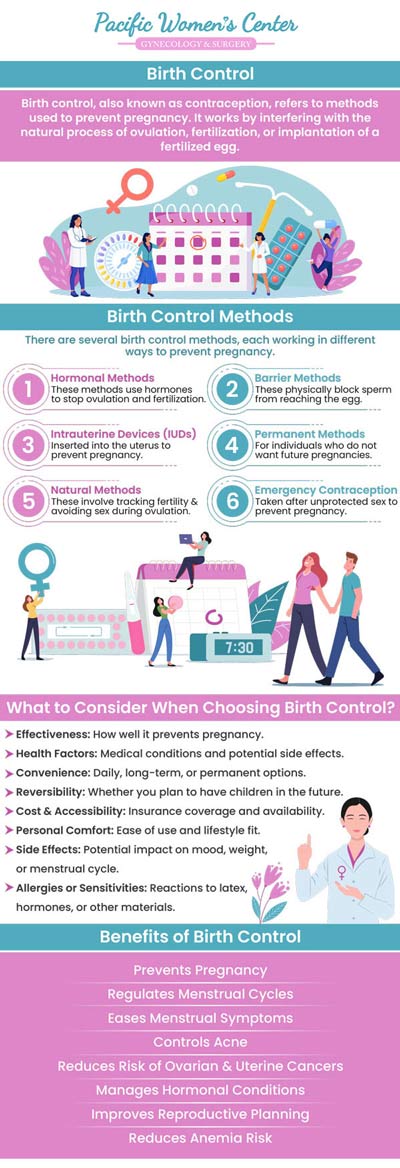
When comparing Kyleena vs. Skyla, the primary differences lie in the duration of use and the total hormone dosage. Both are among the smallest IUDs available, making them suitable for women who have never given birth.
- Duration: Kyleena provides protection for up to 5 years, while Skyla is approved for 3 years.
- Hormone Level: Skyla contains 13.5mg of levonorgestrel, whereas Kyleena contains 19.5mg.
- Size: Both devices are very similar in size, though Skyla is slightly smaller, which some providers prefer for younger patients.
Choosing between them often depends on how long you wish to prevent pregnancy. If you are looking for a mid-term solution before planning a family, Skyla may be ideal. For long-term peace of mind, Kyleena is a robust choice for low-hormone birth control.
The Socio-Economic Impact: Birth Control in the Pakistani Family
In the Pakistani context, family planning is more than a medical choice; it is a foundation for household stability. Unplanned pregnancies can place significant financial and emotional strain on a growing family. Access to long-acting reversible contraception (LARC) like IUDs allows women to pursue education and career goals.
By choosing a low-hormone birth control method, women can manage their reproductive health without the daily burden of remembering a pill. This consistency ensures that families can plan their futures with certainty. At Sidra Family Hospital, we see how empowered women contribute to healthier, more prosperous communities across the region.
IUD Insertion Experience and Compassionate Care
We understand that the thought of IUD insertion can be intimidating. At SFH, our Gynecology department prioritizes a gentle, patient-first approach. We often recommend scheduling your insertion during your menstrual cycle when the cervix is naturally more open.
Managing Pain and Discomfort
Every woman’s body is different. While some feel only mild cramping, others may require more support. We offer various pain management options, including local anesthetics and pre-procedure medications. Our specialists walk you through every step to ensure you feel heard and safe.
Side Effects: What to Expect During the Adjustment Period
Your body typically needs about three to six months to adjust to a new low-hormone birth control device. During this time, you might experience spotting or irregular periods. This is a normal part of the process as the uterine lining adapts to the device.
Most women report that their periods become significantly lighter and shorter over time. In some cases, periods may stop altogether, which is a safe and common effect of the progestin-releasing IUD. If you have concerns about mood changes or persistent discomfort, our team is always available for a follow-up consultation.
The Forward Path: Steps to Your Contraceptive Freedom
If you are considering Kyleena or Skyla, the path forward is simple and supportive at Sidra Family Hospital:
- Personalized Consultation: Meet with our gynecologists to discuss your medical history and family planning goals.
- Preparation: We will provide instructions on how to prepare for your appointment, including timing it with your cycle.
- Insertion: A quick procedure performed in our clinic with the highest standards of hygiene and care.
- Follow-Up: A scheduled check-up to ensure the IUD is perfectly placed and that you are feeling your best.
Conclusion: Personalized Care for Your Family
Whether you choose Kyleena for its longevity or Skyla for its ultra-low dose, you are making a proactive choice for your health. Low-hormone birth control options offer a balance of high efficacy and minimal systemic impact.
At Sidra Family Hospital, our “Family-First” mission means we are here to support you through every stage of life. Visit us today to find the contraceptive solution that aligns with your specific health goals and lifestyle.