What Does Bowel Endometriosis Feel Like? Understanding the Pain and Symptoms
What Does Bowel Endometriosis Feel Like? Understanding the Pain and Symptoms
For many women, chronic pelvic pain and digestive distress are daily realities that are often dismissed as “just a heavy period” or “irritable bowel syndrome” (IBS). However, when these symptoms fluctuate with your menstrual cycle, the culprit may be something deeper: Bowel Endometriosis.
At Sidra Family Hospital, we specialize in identifying and treating complex gynecological conditions. Understanding what Bowel Endometriosis feels like is the first step toward reclaiming your quality of life and finding lasting relief.
The Translation: What Exactly is Bowel Endometriosis?
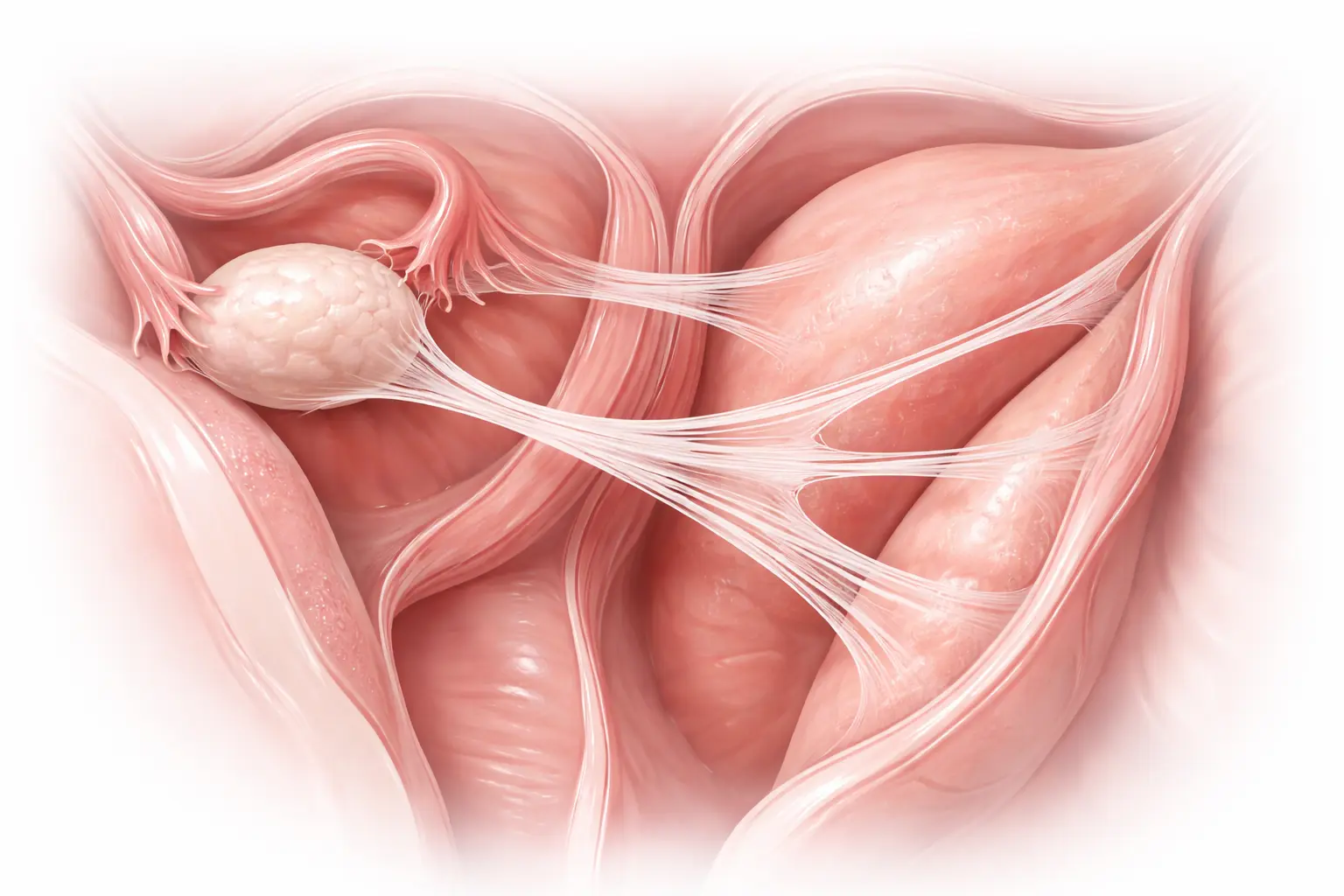
To understand Bowel Endometriosis, imagine the tissue that normally lines the inside of your uterus—the endometrium—starting to grow in places it doesn’t belong. In this specific case, that tissue attaches itself to the surface of the intestines or even penetrates the bowel wall.
Think of it as “sticky” tissue that responds to your monthly hormones. Every month, this tissue thickens and bleeds, just like your period. But because it is trapped inside your abdomen, it causes inflammation, scarring, and internal “tug-of-war” between your organs. This leads to the characteristic pulling pain and digestive dysfunction many patients describe.

Where Does Bowel Endometriosis Occur?
Bowel Endometriosis is a form of deep infiltrating endometriosis (DIE). It most commonly affects the lower parts of the digestive tract, including the rectum and the sigmoid colon. In less common cases, it can be found on the small intestine or the appendix.
The location of the lesions often dictates the type of pain you feel. For example, lesions on the rectum often cause sharp, “lightening” pains during bowel movements, while lesions higher up in the colon may cause generalized abdominal cramping and severe bloating.
Common Symptoms: More Than Just a Bad Period
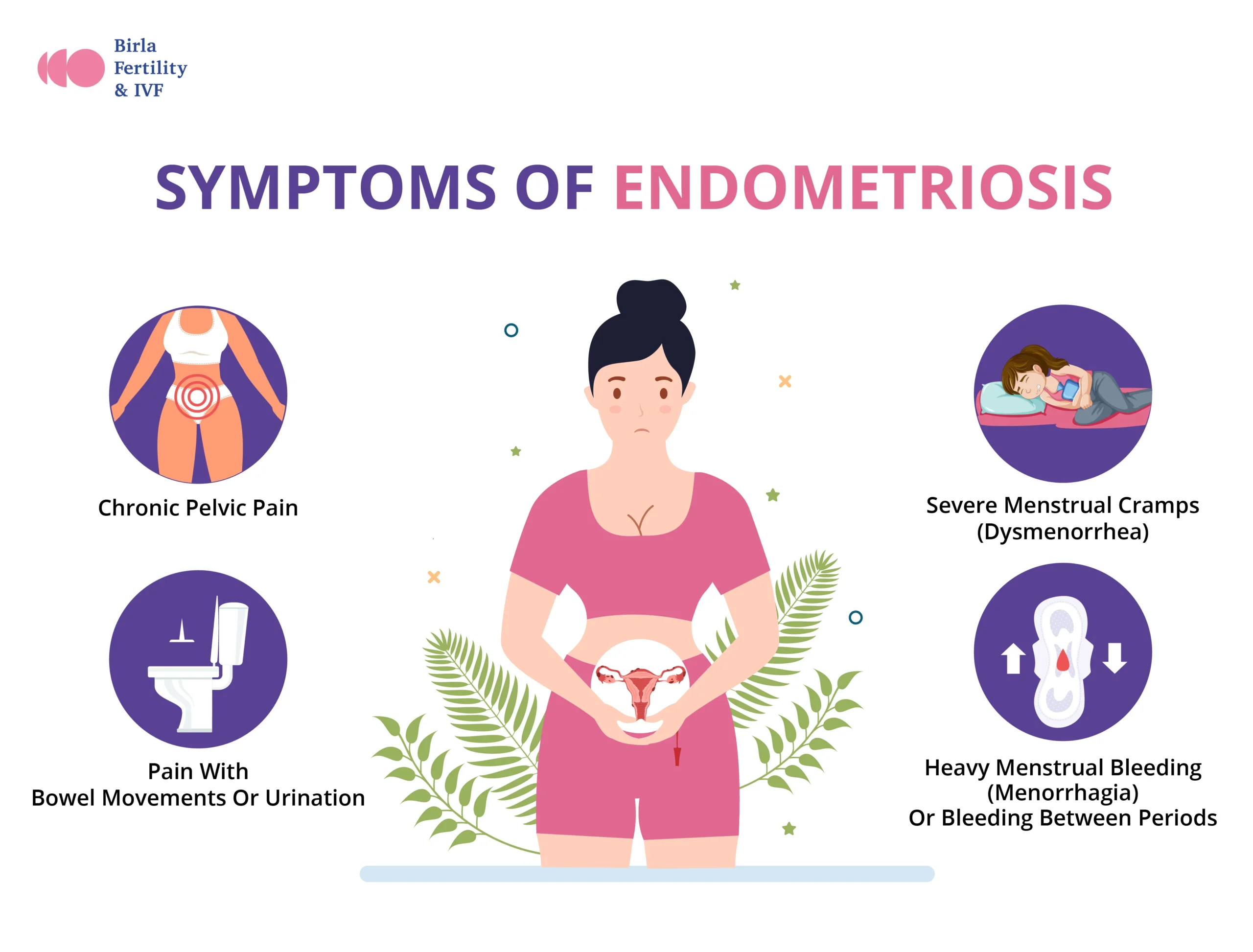
The symptoms of Bowel Endometriosis are frequently mistaken for digestive disorders. However, the key differentiator is their cyclical nature. Symptoms typically peak just before or during your period.
- Painful Bowel Movements: Known medically as dyschezia, this is a hallmark symptom. It often feels like sharp, stabbing pain while passing stool.
- “Endo Belly”: Severe, painful bloating that can make you look several months pregnant by the end of the day.
- Cyclical Diarrhea or Constipation: Fluctuating bowel habits that mirror your menstrual cycle.
- Rectal Bleeding: In rare cases where the endometriosis penetrates the bowel wall, you may notice blood during your period.
Non-Bowel Symptoms
Because endometriosis is a systemic inflammatory condition, it rarely acts alone. Patients often experience deep pelvic pain during intercourse (dyspareunia), chronic fatigue, and lower back pain that radiates down the legs.
The Socio-Economic Impact: The Silent Burden on Pakistani Families
In our local context, Bowel Endometriosis is more than a medical diagnosis; it is a family concern. In many Pakistani households, women are the primary caregivers and the glue that holds the home together. Chronic, debilitating pain often leads to missed family gatherings, reduced productivity at work, and a strain on domestic responsibilities.
Furthermore, the “normalization” of menstrual pain in our society often leads to a delay in diagnosis—sometimes by as much as 7 to 10 years. This delay can result in the progression of the disease, leading to more complex surgeries and higher healthcare costs for the family. At Sidra Family Hospital, we aim to break this cycle by providing early intervention and education.
Diagnosis: Why It Is Often Missed
Standard ultrasounds and even some MRIs frequently miss Bowel Endometriosis because the lesions can be small or hidden by other organs. This leads to the common misdiagnosis of IBS. If you have been treated for IBS for years without relief, it is time to look deeper.
Laparoscopic excision surgery is the gold standard for both diagnosis and treatment. This minimally invasive procedure allows our surgeons to see the lesions directly and remove them, rather than just treating the symptoms with medication.
The Forward Path: Care at Sidra Family Hospital
If you suspect you are living with Bowel Endometriosis, the path forward starts with being heard. At Sidra Family Hospital, we take a multi-disciplinary approach to your care.
- Consultation: Speak with our gynecology experts who understand the nuances of deep infiltrating endometriosis.
- Advanced Imaging: We utilize specialized protocols to look for bowel involvement.
- Surgical Excellence: Our surgical team focuses on excision—removing the disease entirely while preserving bowel function.
- Nutritional Support: Managing “endo belly” often requires specialized dietary changes to reduce inflammation.
You do not have to live with “the silent pain.” By seeking expert care early, you can protect your long-term health and restore your ability to enjoy life with your family. Visit us at Sidra Family Hospital to begin your journey toward healing.