Understanding Emergency Contraception: A Guide for Families at Sidra Family Hospital
Understanding Emergency Contraception: A Guide for Families at Sidra Family Hospital
At Sidra Family Hospital, we understand that unforeseen moments can arise, bringing with them concerns about unintended pregnancy. For families seeking crucial information and compassionate care, understanding emergency contraceptive pills (ECPs) and other emergency contraception options is vital for reproductive health and peace of mind. Our dedicated Gynaecology department is committed to providing confidential guidance and comprehensive support, ensuring every woman receives the accurate information and care she needs to make empowered choices for her family’s well-being.
If you have concerns about preventing unintended pregnancy, especially after unprotected intercourse or a contraceptive mishap, acting promptly is key. Sidra Family Hospital prioritizes your health and peace of mind, offering timely and informed solutions for emergency contraception.
The Translation: Demystifying Emergency Contraception
What is Emergency Contraception?
Emergency contraception (EC) refers to methods used to prevent pregnancy after unprotected sexual intercourse. This can happen due to various reasons, such as a condom breaking, missing regular birth control pills, or not using any contraception at all. It’s crucial to understand that EC is a backup solution, not a routine birth control method, and it does not protect against sexually transmitted infections (STIs).
How Does Emergency Contraception Work?
EC primarily works by delaying or preventing ovulation – the release of an egg from the ovary. If ovulation has not yet occurred, EC can prevent the egg and sperm from meeting. It’s important to clarify that EC is distinct from abortion; it does not end an established pregnancy. Instead, it prevents pregnancy from occurring in the first place.
Types of Emergency Contraception
There are two main types of emergency contraception available:
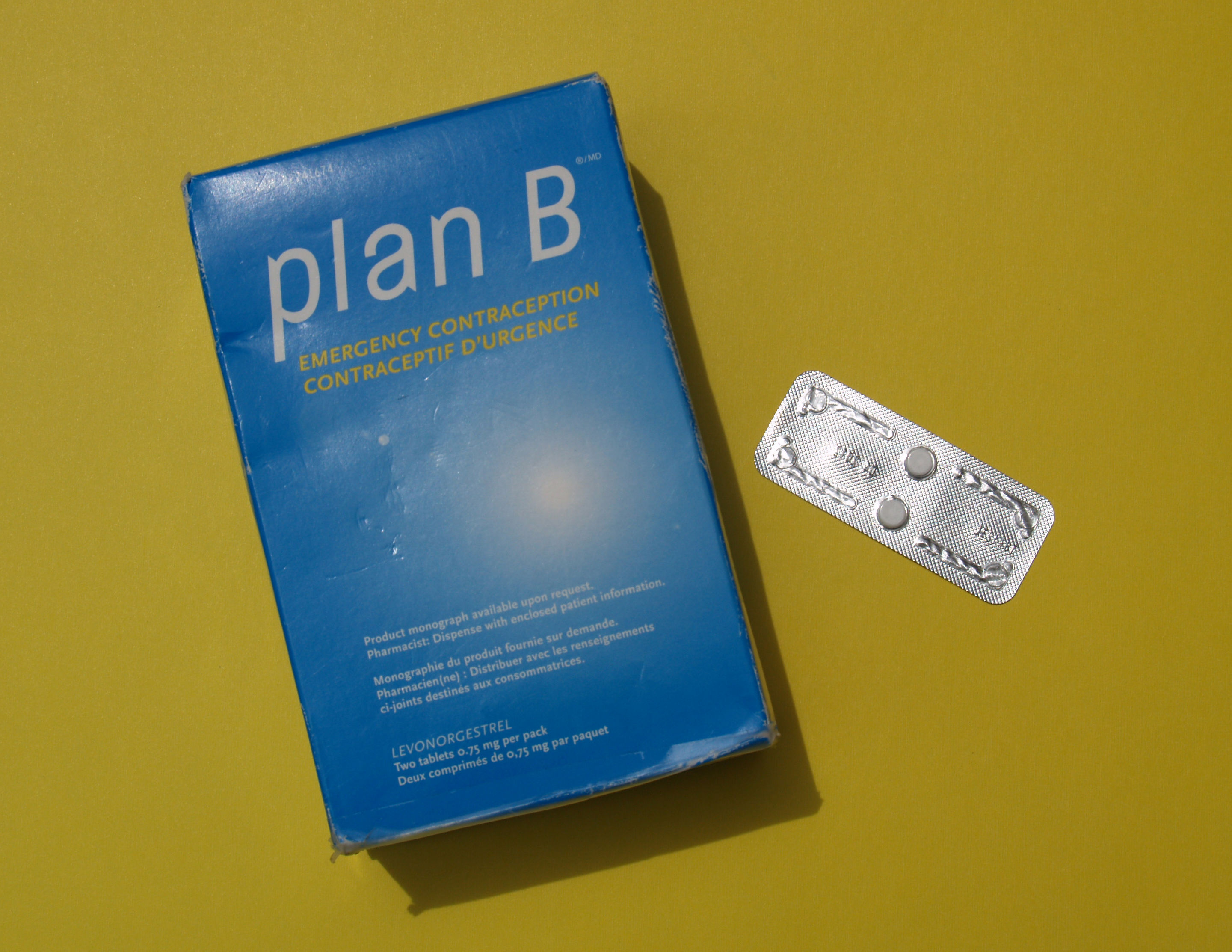
- Emergency Contraceptive Pills (ECPs): These are oral medications that can be taken after unprotected sex. The most common types include Ulipristal Acetate (UPA) and Levonorgestrel (LNG), as well as some combined oral contraceptive pills (COCs) used off-label. ECPs are most effective when taken as soon as possible after unprotected intercourse. While some options are effective for up to 72 hours, Ulipristal Acetate can be effective for up to five days (120 hours).
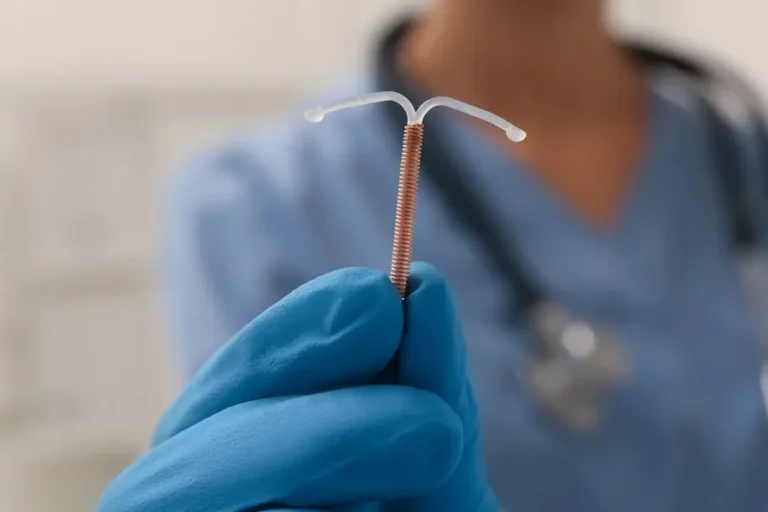
- Copper Intrauterine Device (IUD): The copper IUD is the most effective form of emergency contraception. When inserted by a healthcare professional within five days of unprotected sex, it can prevent over 99% of pregnancies. Moreover, once inserted, it can continue to provide highly effective contraception for many years, making it a dual-purpose option.

Safety of Repeated Use: A Global Confirmation
A significant update from the World Health Organization (WHO) confirms the safety of using EC pills more than once within the same menstrual cycle. This practice is now classified as Category 1, affirming its safety in all circumstances. If unprotected sex occurs again after an initial dose, another EC dose can be safely taken to further reduce pregnancy risk. This guidance reinforces our commitment at Sidra Family Hospital to providing evidence-based care.
Beyond Emergency Contraception: Ulipristal Acetate (UPA)
While primarily known for its role in emergency contraception, Ulipristal Acetate (UPA) is gaining recognition for its versatile potential in other areas of women’s health. New research indicates UPA’s promise in treating and preventing conditions such as uterine fibroids, abnormal uterine bleeding, and even showing potential in breast cancer management. This expanded understanding offers new hope and advanced management options, which our Gynaecology department at Sidra Family Hospital is keen to incorporate into comprehensive care plans for our patients.
The Socio-Economic Impact: Supporting Families in Pakistan
In Pakistan, discussions around reproductive health and emergency contraception can often be sensitive, influenced by cultural and social norms. The ability to access accurate information and confidential care is paramount for women and families to make informed decisions about their well-being. Unintended pregnancies can have profound socio-economic implications for individuals and families, impacting education, financial stability, and overall quality of life.
Sidra Family Hospital is dedicated to breaking down barriers to reproductive healthcare. We strive to create a supportive environment where women can openly discuss their concerns without judgment. Our compassionate approach ensures that every patient receives personalized care that respects their unique circumstances and cultural context. By providing accessible emergency contraception services, we empower women to take control of their reproductive futures, contributing to stronger, healthier families within our community.

The Forward Path: Steps and Support at Sidra Family Hospital
When to Consider Emergency Contraception
You should consider emergency contraception if you have had unprotected sexual intercourse or if your regular contraceptive method failed (e.g., a condom broke, you missed several birth control pills, or your diaphragm/cap slipped). Remember, the sooner EC is taken, the more effective it will be in preventing pregnancy.
What to Do: Your Next Steps
If you find yourself needing emergency contraception, do not delay. Contact the Gynaecology department at Sidra Family Hospital immediately. Our expert team is available for confidential consultations, providing a safe space to discuss your options and receive prompt care. We will help you understand which method of EC is best for you based on your individual health profile and the timing of unprotected intercourse.
Beyond Emergency Care: Comprehensive Family Planning
While emergency contraception is a crucial backup, it is not intended for regular use. At Sidra Family Hospital, we encourage women to explore long-term family planning options that best suit their lifestyle and health needs. Our Gynaecology specialists offer a full range of contraceptive counseling and services, including advice on pills, patches, rings, injections, implants, and IUDs, to help you prevent unintended pregnancies consistently.
Furthermore, if you are experiencing conditions like uterine fibroids or abnormal uterine bleeding, or wish to understand more about the evolving uses of Ulipristal Acetate (UPA), our specialists are here to provide expert guidance and advanced treatment options. Your family’s well-being is our utmost priority, and we are committed to providing holistic, compassionate care that supports your health journey at every stage. Trust Sidra Family Hospital for all your reproductive health needs.