
IVF Success Rates at Every Age: Understanding Your Biological Clock

Embarking on a journey toward parenthood is a profound milestone for any family. At Sidra Family Hospital (SFH), we understand that the decision to pursue Assisted Reproductive Technology (ART) is filled with both hope and questions. One of the most critical factors influencing this journey is the biological clock.
Understanding how age impacts IVF success rates is essential for making informed decisions. While medical advancements have opened doors for many, age remains the primary driver of egg quality and quantity. Our goal is to provide you with the clinical clarity needed to navigate these options with confidence.
The Translation: Simplifying Success Rates
When fertility specialists discuss “success rates,” they are referring to the likelihood of a clinical pregnancy and, ultimately, a healthy live birth per cycle started. It is important to translate these medical statistics into human terms. Success is not merely a positive pregnancy test; it is the culmination of healthy genetics, a receptive uterine environment, and optimal timing.
As women age, the percentage of chromosomally normal eggs—known as euploidy—naturally decreases. This transition means that while IVF success rates are remarkably high in your 20s and early 30s, the process may require additional diagnostic tools, such as Preimplantation Genetic Testing (PGT-A), as you move into your late 30s and 40s.
IVF Success Rates Across the Decades
Success is generally highest for women under 35. At this stage, ovarian reserves are typically robust, and egg quality is at its peak. Statistics show that women in this age group often see success rates exceeding 45-50% per embryo transfer.
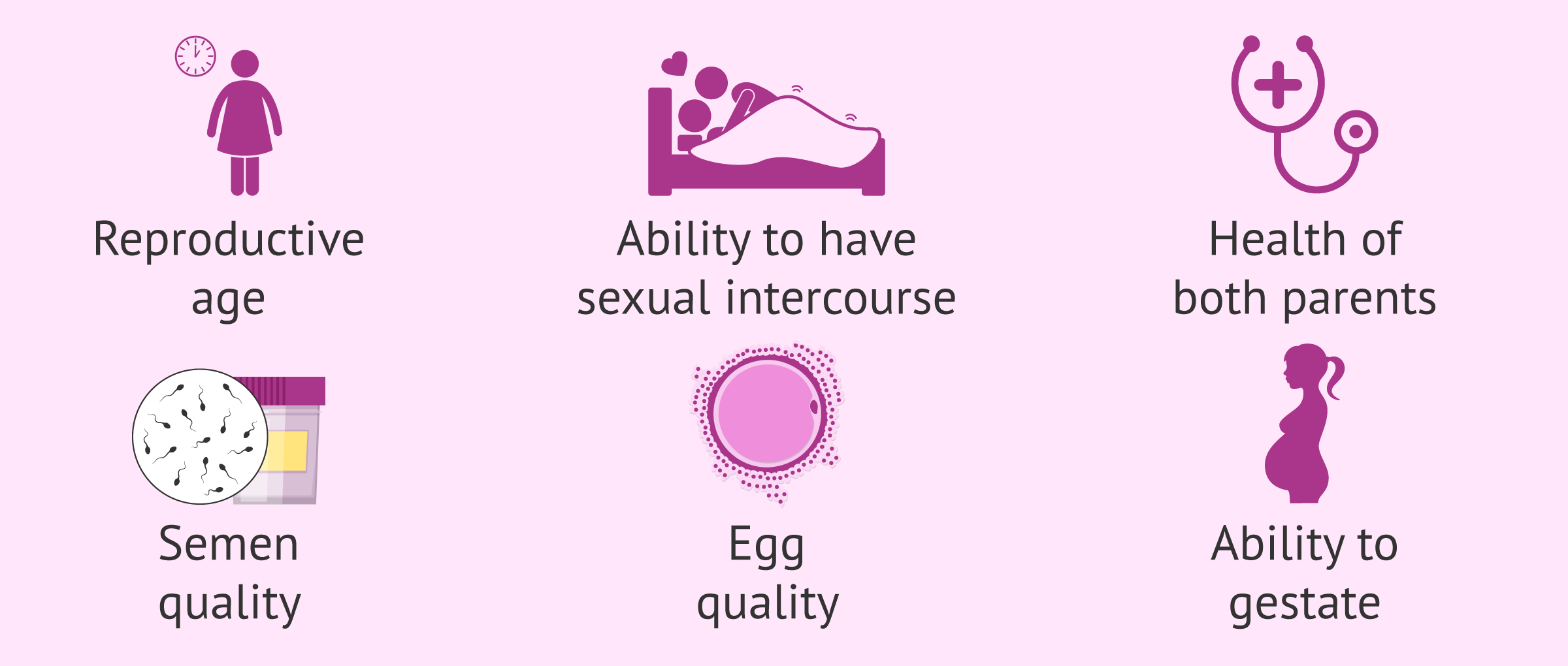
Between the ages of 35 and 37, fertility begins a more noticeable decline, though success remains very achievable. By age 40, the quantity of remaining eggs (measured by Anti-Mullerian Hormone or AMH) and the quality of those eggs necessitate a more tailored medical approach. However, at SFH, we emphasize that a low AMH result is a measure of quantity, not a definitive barrier to motherhood.
The Impact of Sperm Quality and Lifestyle
While much focus is placed on maternal age, paternal age also plays a role. Research indicates that sperm quality can decline after age 50, potentially impacting embryo development. Furthermore, environmental factors and lifestyle choices—such as Body Mass Index (BMI) and exposure to endocrine disruptors—can influence the metabolic environment for both partners.
Our Nutrition department works closely with our Gynecology team to ensure that expectant parents are optimizing their “nutrigenomics.” Your unique genetic makeup determines how you process vital nutrients like folate and choline, which are essential for preventing neural tube defects and supporting fetal brain health.
The Socio-Economic Impact in Pakistan
In the local Pakistani context, the desire for a large, thriving family is a central cultural value. However, the financial and emotional burden of multiple IVF cycles can be significant for local families. This makes early intervention and accurate diagnosis vital to the socio-economic health of the household.
Delaying fertility consultations often leads to higher long-term costs. By seeking help early, families can explore more cost-effective first steps, such as Intrauterine Insemination (IUI), which offers a gentle start for younger couples. At Sidra Family Hospital, we advocate for “Family-First” care, ensuring that our treatments are both medically sound and ethically aligned with the needs of our community.
Advanced Solutions: PGT-A and Genetic Screening
To maximize IVF success rates for women over 35, we often recommend Preimplantation Genetic Testing for Aneuploidy (PGT-A). This technology allows our specialists to identify embryos with the correct number of chromosomes before transfer. This significantly reduces the risk of miscarriage and increases the likelihood of a healthy, singleton pregnancy.
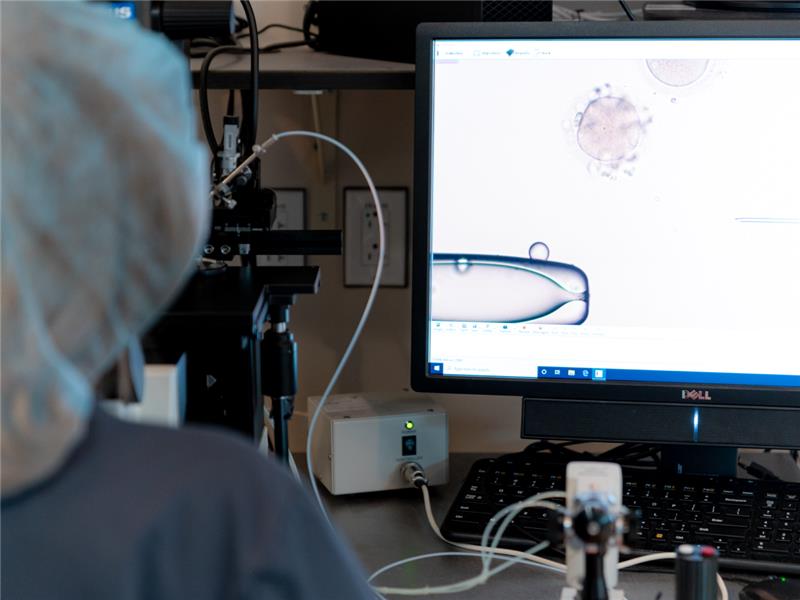
By using elective Single Embryo Transfer (eSET), we prioritize the safety of both the mother and the baby, adhering to the highest global clinical standards. Our in-house diagnostics ensure that every step of the process is transparent and supported by scientific precision.
The Forward Path: Steps to Success
If you are planning your family, the most proactive step you can take is to understand your unique biological profile. We recommend the following steps for all couples:
- Monitor Ovarian Reserves: Have your AMH levels tested early to understand your fertility window.
- The Six-Month Rule: If you are over 35 and have been trying to conceive for six months without success, it is time to consult a specialist.
- Optimize Nutrition: Maintain a healthy BMI and prioritize nutrient-dense foods to support reproductive health.
- Manage Stress: High oxidative stress can impact both egg and sperm quality.

At Sidra Family Hospital, we are committed to walking this path with you. Whether you are exploring fertility preservation through egg freezing or are ready to begin IVF, our specialized Gynecology and Nutrition departments provide the compassionate, professional care your family deserves. Your dream of parenthood is our primary commitment.
Ready to take the next step? Contact Sidra Family Hospital today for a personalized fertility consultation.