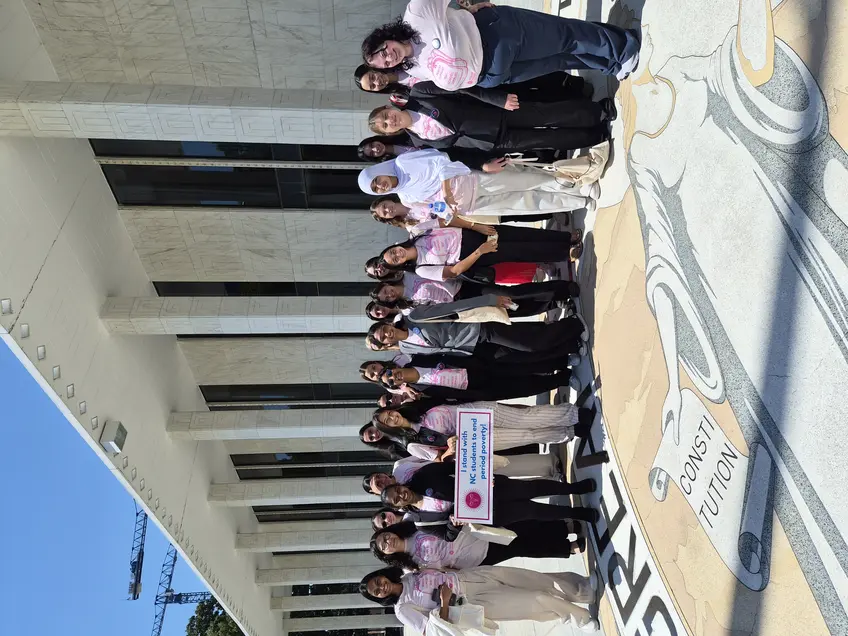
Breaking the Silence: A Guide to Menstrual Hygiene and Ending Period Poverty

At Sidra Family Hospital, we believe menstrual health is a fundamental right, not a luxury. Menstrual hygiene is a critical component of a woman’s dignity, academic success, and long-term reproductive health. However, for many families in our community, “period poverty”—the lack of access to sanitary products and hygiene education—remains a significant barrier.
Our mission is to empower every woman and girl with the knowledge and resources they need to navigate their cycle with comfort. From the first signs of puberty to managing the environmental factors that impact hormonal balance, SFH is committed to providing compassionate, “family-first” medical care.
The Translation: Understanding Menstrual Health
To understand menstrual hygiene, we must first view it as a biological necessity. Menstruation is the monthly shedding of the uterine lining, a process controlled by complex hormonal shifts. When these shifts are disrupted by external factors, such as environmental pollutants (like Benzene or particulate matter) or high stress, it can lead to irregular cycles or intense dysmenorrhea (painful cramping).
Proper hygiene is not just about comfort; it is a preventative measure against Reproductive Tract Infections (RTIs). Bacteria thrive in moist environments, which is why experts at our Gynecology Department emphasize changing sanitary products every four to six hours. Furthermore, your cycle impacts your entire body—even your oral health. Hormonal fluctuations can cause gum sensitivity or nausea. If you experience vomiting during your cycle, rinse with water immediately but wait twenty minutes before brushing to protect your tooth enamel from stomach acids.
The Socio-Economic Impact: Breaking the Cycle of Poverty
In Pakistan, period poverty is often a silent crisis. When a young girl lacks access to quality sanitary pads or private facilities, she may miss up to five days of school every month. This academic gap accumulates, often leading to higher dropout rates and limited future opportunities. Beyond the classroom, the stigma surrounding menstruation can lead to a lack of open dialogue between parents and daughters, leaving young girls feeling isolated during puberty.
The economic burden of monthly supplies can also force families to choose between food and hygiene. At Sidra Family Hospital, we see the results of this struggle in the form of infections caused by using unhygienic materials. By addressing the socio-economic impact of period poverty, we aim to restore dignity to our community. Providing education and affordable care ensures that no girl has to sacrifice her education for a natural biological process.
The Forward Path: Practical Steps for Every Family
Taking control of your menstrual hygiene involves daily habits and proactive health monitoring. Follow these steps to ensure safety and comfort during your cycle:
- Maintain Strict Cleanliness: Change sanitary products every 4-6 hours. Use mild, unscented cleansers externally to preserve natural pH levels.
- Ensure Water Safety: In areas where water quality is a concern, use purified or boiled water for personal washing to prevent bacterial contamination.
- Choose the Right Materials: Opt for breathable cotton clothing and high-quality sanitary products to minimize skin irritation and rashes.
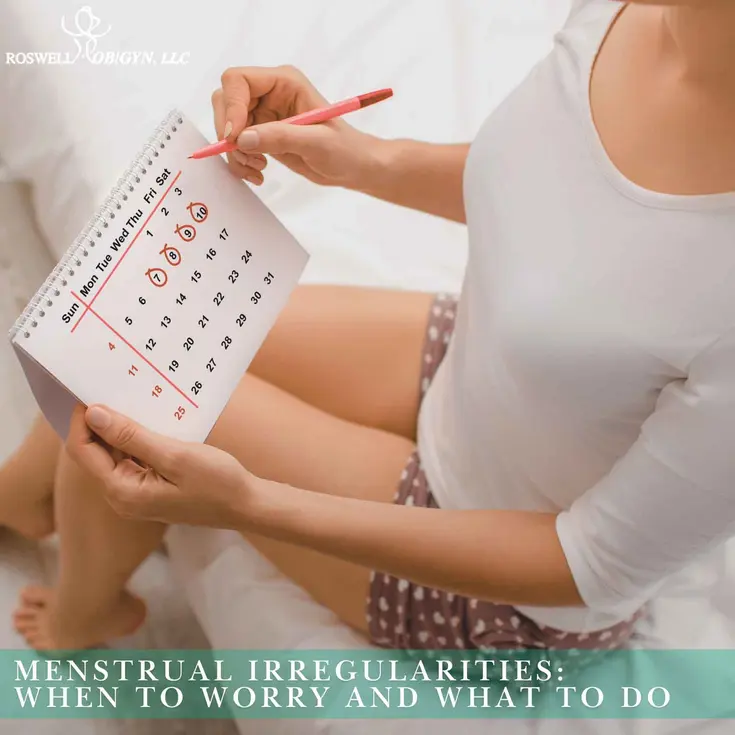
- Track Your Cycle: Use a calendar or app to monitor flow and timing. If you notice sudden changes or exposure to industrial pollutants, seek a clinical evaluation.
- Hydration and Nutrition: Stay hydrated to prevent dry mouth and hormonal headaches. Maintain a balanced diet to support energy levels during your flow.

If you or your daughter are experiencing heavy bleeding, irregular cycles, or extreme pain, do not wait. Our Gynecology and Pediatrics departments at Sidra Family Hospital are here to provide professional consultations in a supportive environment. We offer specialized advice tailored to the unique health journeys of Pakistani families. Visit SFH today—because your health and dignity are our top priorities.